Views: 10 Author: Site Editor Publish Time: 2026-03-19 Origin: Site


A bilge pump is a purpose-built marine/industrial fluid-handling device engineered to automatically or manually remove accumulated bilge water—including rainwater, seawater intrusion, cleaning runoff, condensation, and minor process drainage—from the lowest compartment (bilge well) of a vessel, offshore structure, or enclosed industrial sump. It is not just a convenience component but a critical safety system that preserves buoyancy, structural stability, and operational integrity by preventing flooding, corrosion, and machinery damage.
Designed for harsh, corrosive, and often contaminated fluid environments, bilge pumps comply with marine classification standards (e.g., ABS, DNV, ABYC) and maritime pollution regulations (MARPOL). They are built to handle saltwater, bilge mixtures with light oil/sediment, and intermittent duty cycles while maintaining long service life. In short: a bilge pump keeps your craft or facility dry, stable, and compliant.


Most common submersible centrifugal bilge pumps operate on centrifugal fluid dynamics; diaphragm and piston types use positive-displacement mechanics.
1. Activation: A float switch or manual control triggers the sealed motor.
2. Suction: The high-speed impeller creates a low-pressure vacuum at the inlet, drawing bilge water through a protective strainer.
3. Energy Conversion: Impeller blades accelerate water radially outward, converting rotational energy into kinetic energy.
4. Pressure & Discharge: The volute casing slows water and converts kinetic energy into static pressure, pushing water through the outlet hose and overboard or to a treatment system.
5. Cycle: Check valves prevent backflow; the pump shuts off when water levels drop below the switch threshold.
• A flexible diaphragm (rubber/thermoplastic composite) flexes upward to create suction (draws water in via inlet check valve) and pushes downward to generate pressure (expels water via outlet check valve).
• Advantage: Self-priming, runs dry safely, ideal for low-level residual water.
Every part is optimized for corrosion resistance, durability, and marine compatibility:
1. Housing/Casing: Marine-grade thermoplastic (ABS, reinforced polypropylene), bronze, or 316 stainless steel—resists saltwater, chemicals, and impact.
2. Impeller: Glass-filled nylon, nitrile rubber, or bronze; balanced for quiet, efficient operation.
3. Sealed Motor: Waterproof, ignition-protected (for fuel-vessel safety), thermal overload protection; 12V/24V DC for small craft, 230V AC for ships/industrial.
4. Float Switch: Mechanical or electronic; water-level sensor for automatic on/off.
5. Check Valves: Prevents backflow to avoid re-flooding the bilge.
6. Inlet Strainer/Screen: Stainless steel mesh; blocks debris to protect impeller/valves.
7. Shaft & Seals: Ceramic/graphite mechanical seals; zero leakage, long-life in saltwater.
Materials are non-sparking, salt-tolerant, and fatigue-resistant—critical for continuous duty in harsh environments.


1. Submersible Centrifugal Bilge Pumps
◦ Models: 500GPH–5000GPH (small craft); 10,000GPH+ (commercial vessels)
◦ Features: Compact, fully submersible, high flow, low cost
◦ Use: Recreational boats, yachts, workboats, general bilge dewatering
2. Diaphragm Bilge Pumps (Manual/Electric)
◦ Models: Hand-operated (emergency backup), 12V/24V automatic
◦ Features: Self-priming, dry-run safe, low-level pumping
◦ Use: Small boats, emergency backup, remote compartments, low-residual water removal
3. Piston/Reciprocating Bilge Pumps
◦ Features: High pressure, positive displacement, handles viscous fluids
◦ Use: Large ships, offshore rigs, oily bilge mixtures, heavy-duty service
4. Flexible Impeller Pumps
◦ Features: Self-priming, gentle flow, handles minor debris
◦ Use: Mid-sized vessels, auxiliary systems, combined bilge/ballast duty
• Recreational Marine: Sailboats, powerboats, fishing boats—rainwater and wave intrusion removal
• Commercial Shipping: Cargo ships, ferries, tankers—bilge well management, stability control
• Offshore & Industrial: Oil platforms, pump stations, utility sumps—flood prevention, process drainage
• Emergency & Rescue: Lifeboats, rescue craft—mandatory safety equipment for buoyancy
• Military & Government: Naval vessels, patrol boats—reliable, rugged duty in extreme conditions
Selecting the right bilge pump requires calculated performance matching to your vessel or sump.
1. Flow Rate (GPH / GPM)
◦ Rule of thumb: Small craft <6m: 500–1000GPH; 6–12m: 1500–3000GPH; >12m: 3000GPH+
2. Total Dynamic Head (TDH)
◦ Vertical lift + friction loss + safety margin
◦ Formula: TDH = Vertical Discharge Height + (Hose Length × Friction Coefficient) + 20% Safety Margin
3. Power Supply
◦ Small craft: 12V/24V DC; Ships/industrial: 230V AC/440V three-phase
4. Automation
◦ Automatic (float switch) for unattended use; manual for backup/emergency
5. Environmental Compatibility
◦ Saltwater: 316SS/bronze/composite; Oily bilge: diaphragm/piston design
Minimum Flow Rate (GPH) = Boat Length (ft) × 100
Example: 20ft boat → 2000GPH minimum (round up for rough-water use)
Always size 1–2 sizes larger to compensate for voltage drop, hose friction, and debris-related efficiency loss.
1. Mounting: Place at the lowest point of the bilge sump for maximum water removal.
2. Wiring: Marine-grade tinned copper wire; fused circuit; waterproof heat-shrink connectors; avoid submerged wiring.
3. Hose: Smooth-bore marine hose (no corrugations); secure with stainless steel clamps; install a vented loop above the waterline to prevent siphoning.
4. Strainer: Always use an inlet strainer; clean before initial startup.
5. Redundancy: Install a primary automatic pump + a manual backup pump for safety.
• Before Each Use: Test automatic operation; clear strainer debris.
• Monthly: Inspect hoses for cracks/kinks; test float switch; check for corrosion.
• Quarterly: Clean pump interior; lubricate shaft seals (if applicable); verify check valve function.
• Annual: Full performance test; replace worn seals/impellers; update wiring if corroded.
• Critical Note: Never run centrifugal pumps dry; diaphragm pumps are dry-run safe but still need periodic inspection.
Proactive maintenance avoids 90% of bilge pump failures—your safety depends on it.
A: Bilge pumps are marine-certified, corrosion-resistant, ignition-protected, and designed for dirty/salty water with debris tolerance. Regular water pumps lack saltwater resistance, safety certifications, and the ability to handle bilge mixtures—they fail quickly in harsh marine environments.
A: Standard centrifugal pumps handle light oil traces but not heavy sludge. Diaphragm/piston pumps are designed for oily bilge water; always comply with MARPOL regulations—discharge oily water only via approved oil-water separators, not directly overboard.
A: With proper maintenance, 3–5 years for recreational use; 5–10 years for commercial-grade models. Lifespan depends on salt exposure, debris load, and runtime frequency. Redundant setup extends system reliability.
A: Automatic pumps (float switch) are primary equipment for unattended safety. Manual pumps are essential backup for power failure or emergency. All vessels should carry both for full protection.
A: Common causes: Clogged strainer, kinked hose, blocked check valve, voltage drop, worn impeller, or air leaks in the suction line. Inspect and clean components; verify power supply and hose integrity.
A bilge pump is the silent guardian of your vessel or facility—choosing the right type, sizing it correctly, and maintaining it properly ensures safety, compliance, and peace of mind on the water or in industrial operations. Whether you’re a boat owner, marine engineer, or facility manager, understanding bilge pump fundamentals is non-negotiable. Equip your craft with a reliable, certified bilge pump today—and never compromise on safety. Stay dry, stay safe, stay compliant.
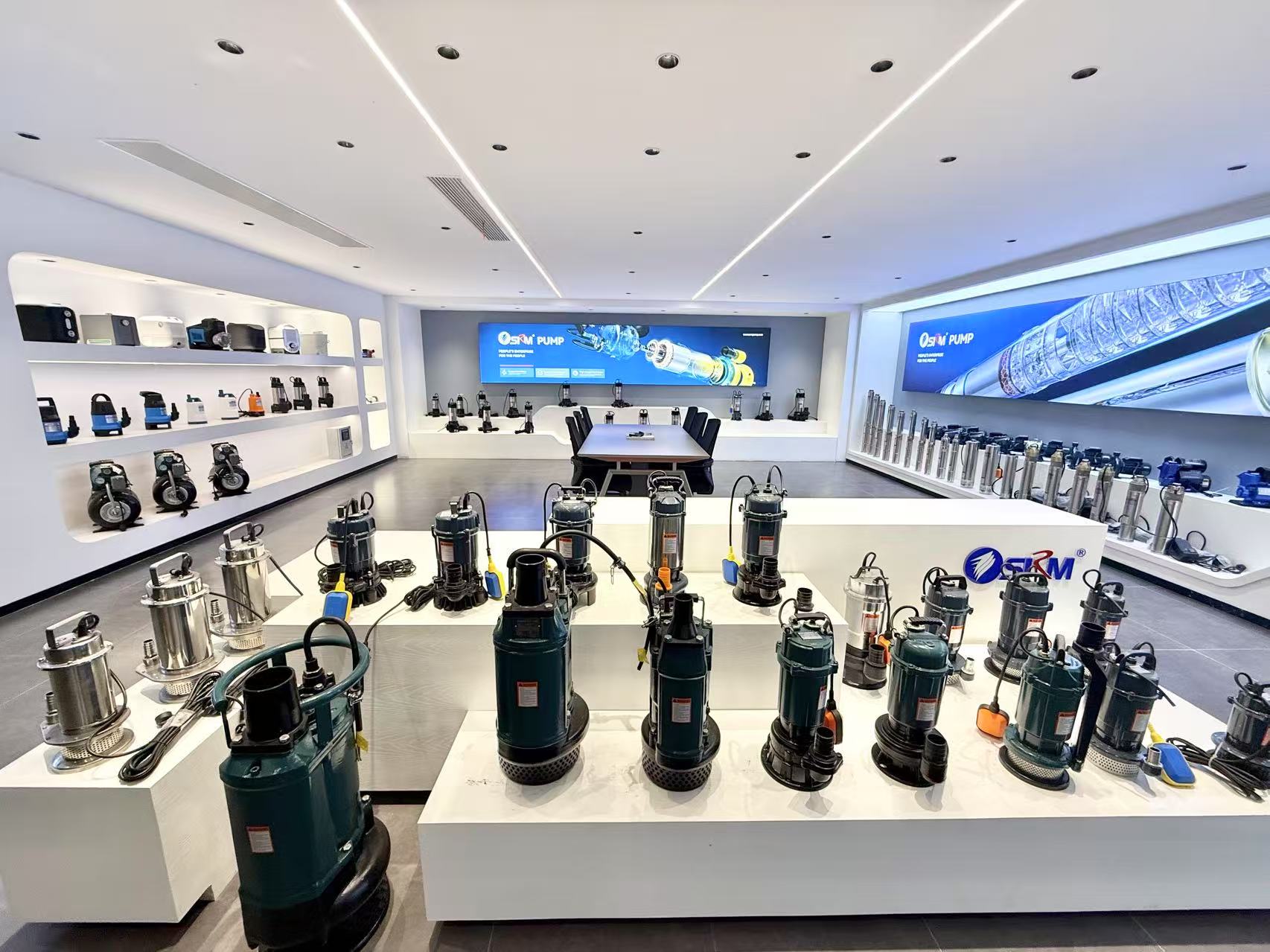
For high-quality, durable, and energy-efficient bilge pump, it’s worth exploring the solutions offered by Shanghai People Enterprise Group Pump Co., Ltd..The company provides a wide range of professional-grade pumping equipment and engineering support to ensure optimal performance and long service life. Interested buyers and project managers can reach out to their technical team for customized consultation or assistance with pump selection and installation.