Views: 10 Author: Site Editor Publish Time: 2026-03-13 Origin: Site


Selecting the right pump material is the most critical decision in pump selection. A poor choice can lead to frequent clogging, accelerated corrosion, cracking, seal damage, and ultimately, costly production downtime. This section details the three most commonly used materials in pump manufacturing, along with other notable options.
Cast iron, especially gray cast iron (grades HT150, HT200, HT250), is the primary material for general water pumping applications.
• Characteristics & Advantages: It delivers exceptional cost-effectiveness, paired with excellent castability and machinability. Gray cast iron offers sufficient structural strength to withstand pressure in single-stage pumps. Ductile iron (grades QT450-10, QT500-7) boasts steel-like mechanical properties while retaining better castability than steel, making it ideal for components requiring high toughness.
• Disadvantages: It has poor corrosion resistance compared to other metals, and is unsuitable for saltwater, acidic, or most chemical transfer applications as it will develop rust and pitting over time.
Stainless steel is the preferred material when corrosion resistance, fluid purity, or high structural strength is a priority, with austenitic stainless steel (304 and 316 grades) being the most widely adopted.
• Characteristics & Advantages: Austenitic stainless steel provides superior corrosion resistance against a broad range of media, making it the top choice for chemical pumps. 316 stainless steel, in particular, contains molybdenum, which enhances its resistance to chlorides and industrial chemicals. It is also hard, abrasion-resistant, and capable of withstanding extreme temperatures from -40°C to over 300°C. Its non-reactive surface makes it perfect for food-grade and sanitary pumping applications.
• Disadvantages: The primary drawback is its high cost, which is significantly higher than cast iron. Additionally, stainless steel grades vary in performance: some become brittle at ultra-low temperatures, and even 316 can suffer pitting or stress corrosion cracking in harsh high-chloride environments (e.g., seawater) if not properly specified—duplex stainless steel is a better alternative for such conditions.
Bronze and brass (copper-based alloys) have unique properties that make them irreplaceable for specific marine and low-pressure applications.
• Characteristics & Advantages: Exceptional seawater corrosion resistance is their standout feature, with nickel-aluminum bronze offering the best mechanical properties and corrosion resistance for marine environments. Bronze also maintains its structural strength at ultra-low temperatures (down to -100°C), unlike some stainless steel grades that experience embrittlement. Leaded tin bronze delivers excellent anti-friction and sealing properties for small, low-pressure pumps, while tin bronze is a common choice for large centrifugal pump components.
• Disadvantages: High-performance bronzes (e.g., nickel-aluminum bronze) are costly and may be less competitive than stainless steel in some scenarios. "All-bronze" pumps—where all wetted parts are bronze, a standard for seawater applications—also carry a premium price tag. Furthermore, there are strict regulatory limits on lead content in bronzes used for drinking water contact applications.
• Carbon Steel (e.g., 45# Steel): Widely used for pump shafts due to its high strength and low cost, but only suitable for applications where corrosion is not a critical concern.
• Engineering Plastics (e.g., PP, PTFE): Utilized for pump bodies, linings, and seals. PTFE offers near-universal chemical resistance, while polypropylene (PP) is a cost-effective option for neutral fluid transfer.


Material selection is dictated by the specific functional requirements of each pump component. Below is the optimized material matching for key components across common pump types:
• Submersible Pump Motor Housing: 304 or 316 stainless steel is the preferred material. The motor housing is continuously submerged in the pumped fluid; stainless steel prevents corrosion in corrosive media (e.g., wastewater, seawater) and ensures the motor’s seal integrity and operational reliability.
• Small Water Pump Impeller: Leaded tin bronze is the primary choice for small, low-pressure pumps. It has excellent castability, enabling the production of high-precision geometries for hydraulic efficiency, and its lead content improves the seal between the impeller and pump casing. For food-grade applications, stainless steel impellers are a mandatory replacement.
• Centrifugal Pump Shaft: 45# carbon steel is a strong, economical option for transferring clean, cold water. For corrosive or sanitary fluids, stainless steel shafts are required to prevent fluid contamination and component failure. A stainless steel or hard alloy shaft sleeve is often fitted to protect the shaft from wear at the seal interface.
• Large Pump Casings: Ductile cast iron is the ideal material for large industrial pump casings (volutes) handling water or mild slurries. It can be cast into the complex spiral geometry of a volute, withstands high pressures, and is far more economical than fabricating the same component from stainless steel plate.
• AODD (Air-Operated Double Diaphragm) Pump Components: Material selection is tailored to fluid chemistry. For abrasive slurries, a combination of a Geolast® (TPV) diaphragm/ball and a stainless steel body delivers high wear resistance. For highly corrosive acid transfer, a PTFE diaphragm/ball paired with a Kynar® (PVDF) body is the industry standard.


The chemical and physical properties of the pumped fluid are the single most important factor in material selection. Optimized material recommendations for common media are as follows:
• Clean, Fresh Water (Ambient Temperature): A "bronze-fitted" pump (cast iron casing with a bronze impeller) is the standard choice, balancing cost and adequate corrosion resistance. All-cast iron construction is also suitable for non-critical clean water applications.
• Seawater / Brackish Water: High chloride content makes seawater highly corrosive. The best options are bronze (notably nickel-aluminum bronze) or high-grade stainless steels (316; duplex stainless steel for more aggressive conditions). All-bronze pumps remain a traditional, reliable standard for seawater transfer.
• Sewage / Abrasive Slurries: Wear resistance is paramount for fluids containing sand, solids, or abrasive particles. Casings and impellers should be made of wear-resistant materials such as high-chromium alloy or ductile iron. Impellers are typically designed as semi-open or open types with hardened surfaces to prevent clogging and resist abrasion.
• Chemical Liquids (Acids, Solvents, Caustics): Selection requires careful chemical compatibility analysis. 316 stainless steel is a reliable starting point for most acids and industrial chemicals. For extremely aggressive fluids (e.g., hydrochloric acid, hot chromic acid), non-metallic materials are superior—PP or PVDF pump bodies with PTFE or Viton® seals and diaphragms are the standard solution.
• Food Products (Sanitary Applications): Fluids for human consumption require non-toxic, non-reactive, and easily cleanable surfaces. 316L stainless steel is the industry standard for food-grade pumps, as it is FDA-compliant and inhibits bacterial growth.
Pump component manufacturing processes are inherently linked to material selection, with each process optimized to enhance the material’s intended performance. Key processes and their applications are detailed below:
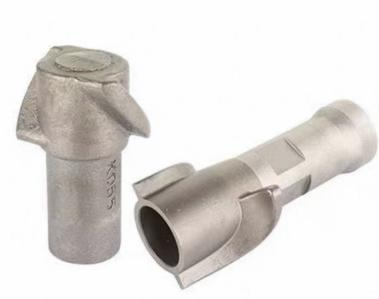
• Casting (for Complex Shapes): Cast iron, ductile iron, carbon steel, and stainless steel are cast into pump casings and impellers for complex geometries. Molten metal is poured into precision molds, with sand molds used for intricate parts like pump volutes. Advanced 3D sand printing (3DP) is now used to create highly complex molds with detailed internal passages, particularly for casting difficult geometries in cast steel.
• Heat Treatment (for Strength and Corrosion Resistance): Many materials require post-casting heat treatment to optimize performance. Stainless steel castings, for example, undergo solution annealing—heating in a high-temperature oven followed by rapid water quenching. This process relieves internal casting stresses and maximizes the material’s corrosion resistance and mechanical properties.
• Precision Machining (for Tight Tolerances): 45# carbon steel/alloy steel pump shafts and bronze small impellers start as raw rods or rough castings, then undergo precision machining on lathes and milling machines. This process achieves the tight tolerances required for bearing fits, seal surfaces, and high-efficiency impeller geometry.
• Injection/Compression Molding (for Plastics): Non-metallic components (PP, PVDF, PTFE seals, bearing cages, small pump bodies) are typically manufactured via injection or compression molding. This process is highly efficient for producing complex, net-shaped plastic parts with consistent quality.
A: No. While stainless steel offers excellent corrosion resistance, it is not cost-effective for non-corrosive media such as clean, cold water—cast iron pumps are more economical and fully adequate for such applications. Additionally, in highly aggressive chemical environments, plastics like PTFE may outperform stainless steel due to superior chemical compatibility.
A: This failure is almost always caused by galvanic corrosion. A common freshwater pump configuration (cast iron body with a bronze impeller) creates an electrochemical cell when exposed to conductive saltwater. The cast iron acts as the anode and corrodes preferentially to protect the bronze cathode, leading to rapid damage to the shaft, seals, or casing and subsequent seizure. This is why all-bronze or duplex stainless steel pumps are specified for seawater applications.
A: A bronze-fitted pump features a cast iron casing with only internal wetted trim parts (impeller, wear rings) made of bronze—this is a cost-effective way to add basic corrosion resistance. An all-bronze pump has all fluid-wetted parts manufactured from bronze, providing maximum corrosion protection for seawater and other corrosive marine media.
A: Generally, no. Cast iron has no acid resistance; acidic fluids will react rapidly with the iron, causing severe corrosion, casing wall thinning, and fluid contamination. For mildly acidic solutions, a stainless steel pump is the minimum requirement, while strong acid transfer requires plastic-lined or solid plastic pumps (e.g., PP, PVDF).
A: For high-quality, durable, and energy-efficient pumping equipment—including custom material-matched solutions—prioritize suppliers with professional engineering support and a comprehensive product range. Reputable manufacturers offer technical consultation for pump material selection, component matching, and on-site installation, ensuring optimal pump performance and long service life for specific applications.
For high-quality, durable, and energy-efficient water pump, it’s worth exploring the solutions offered by Shanghai People Enterprise Group Pump Co., Ltd..The company provides a wide range of professional-grade pumping equipment and engineering support to ensure optimal performance and long service life. Interested buyers and project managers can reach out to their technical team for customized consultation or assistance with pump selection and installation.