
Views: 0 Author: Site Editor Publish Time: 2026-05-27 Origin: Site


Have you ever experienced inconsistent water pressure in a high-rise building or noticed that your industrial equipment is not performing at optimal levels due to low flow? In many cases, these issues arise not from the water source itself but from improper installation or lack of a properly configured Booster Pump in the system. Water pressure problems can cause frustration for homeowners, disruptions in commercial operations, and inefficiencies in industrial processes, making it essential to understand not only the function of a Booster Pump but also the correct way to install it to ensure consistent performance, energy efficiency, and system longevity.
In this post, we’ll discuss the step-by-step process of installing a Booster Pump, including pre-installation considerations, essential tools, connection methods, common mistakes to avoid, energy efficiency tips, and post-installation checks. You’ll also learn about different applications across residential, commercial, and industrial systems and how installation strategies may vary based on system complexity. By the end of this article, you’ll have a complete understanding of how to install a Booster Pump safely and effectively, ensuring your water system or industrial process operates reliably.
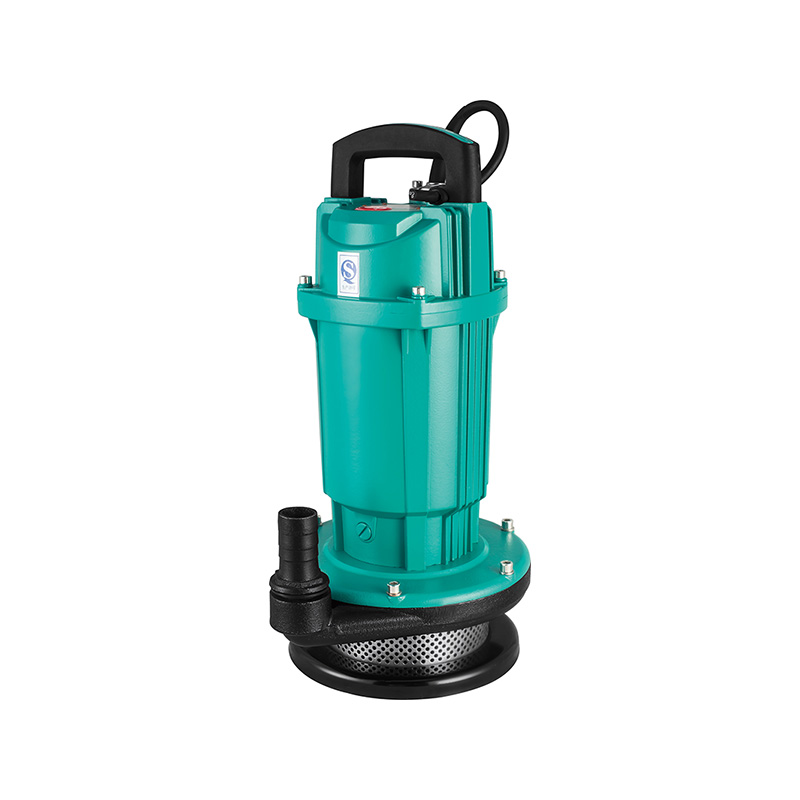
A Booster Pump is a mechanical device designed to increase the pressure of water or other fluids within a piping system, providing a stable flow to outlets that would otherwise experience low pressure due to long piping runs, elevation differences, or fluctuating demand. Unlike standard pumps, which primarily transport water, a Booster Pump is designed specifically to maintain a constant pressure level while protecting system components from damage caused by pressure fluctuations or surges. Booster Pumps are critical in high-rise residential buildings, commercial complexes, hotels, hospitals, and industrial plants, ensuring that taps, equipment, and machinery receive a reliable supply of water or fluid under the required pressure.
Proper installation of a Booster Pump is essential, as incorrect placement or connection can reduce efficiency, cause leaks, damage the pump or piping, and shorten the lifespan of the system. Installing the pump according to manufacturer guidelines ensures that it operates at peak performance, minimizes energy consumption, and provides a long-term solution for maintaining water or fluid pressure in the system.
Before beginning the installation of a Booster Pump, it is crucial to assess several factors to ensure the system will function properly once operational. First, determine the water source pressure and flow requirements, as this will dictate the type and size of Booster Pump needed. Next, evaluate the system layout, including pipe diameter, length, bends, and elevation changes, as these influence pressure losses and flow efficiency. Adequate installation space must also be available for the pump, pressure tank, sensors, and control systems. Safety considerations, such as compliance with electrical codes, grounding, and access for maintenance, should be taken into account. Finally, gather the necessary tools and materials, including wrenches, pipe fittings, valves, Teflon tape, electrical wiring, and support brackets, to complete the installation efficiently.
Installing a Booster Pump involves several key steps that must be executed carefully to ensure optimal operation. The first step is to prepare the installation site, which includes ensuring proper drainage, a level surface, and clearance for pump maintenance. Position the pump according to manufacturer specifications, paying attention to orientation, alignment, and proximity to the water source. Connect the inlet and outlet piping securely, incorporating valves, fittings, and support brackets to prevent stress on the connections. Next, install any pressure tanks, sensors, or control systems that regulate the operation of the pump, which are essential for maintaining stable pressure and protecting the system from damage.
After the mechanical connections are complete, verify all electrical connections, including proper grounding and motor protection, to comply with safety regulations and prevent damage from electrical faults. Prime the pump according to manufacturer instructions, ensuring that air is removed from the system to prevent cavitation and loss of performance. Finally, test the system by gradually opening valves, monitoring pressure and flow, and checking for leaks or unusual noises. Make any necessary adjustments to the controls or connections to ensure smooth operation and consistent water delivery throughout the system.
During installation, several mistakes can compromise the performance of a Booster Pump and the entire water or fluid system. Incorrect pump orientation or positioning can reduce efficiency or cause premature wear. Poor piping connections may result in leaks or pressure drops, while inadequate support for pipes and the pump can lead to vibration, noise, or mechanical failure. Ignoring safety valves, sensors, or control systems may expose the system to overpressure or dry-run conditions, which can damage equipment. Skipping the priming step or initial operational testing can lead to cavitation, airlocks, and suboptimal performance. By understanding and avoiding these common errors, installers can ensure reliable, long-lasting operation.
Booster Pumps equipped with variable-speed motors should be installed with consideration for energy efficiency, as proper placement of sensors and pressure switches allows the pump to adjust output according to real-time demand, reducing electricity consumption. Installing vibration-damping mounts, isolating the pump from sensitive areas, and incorporating noise reduction features can enhance operational comfort in residential and commercial environments. Electrical safety is critical; always follow manufacturer instructions, ensure proper grounding, and use protective devices such as fuses or circuit breakers to prevent electrical hazards.
After installation, several checks are necessary to verify correct operation. Inspect all connections and fittings to ensure they are tight and leak-free. Run the pump under normal operating conditions and monitor pressure and flow to confirm that the system meets design specifications. Observe the pump and system over several hours or days to identify any fluctuations or anomalies that may indicate improper installation. Establish a routine inspection schedule to monitor pump performance, pressure tank integrity, and sensor functionality, and perform preventive maintenance to prolong pump life, reduce downtime, and maintain system efficiency.
Booster Pump installation can vary depending on whether the system is residential, commercial, or industrial. In residential high-rise apartments or private homes, the pump may be smaller and easier to access, but correct alignment and sensor placement are still critical. In commercial buildings such as hotels, hospitals, or office complexes, the pump may require integration with building management systems, variable-speed drives, and larger piping networks to maintain consistent pressure across multiple floors and high-demand areas. Industrial installations often involve high-capacity Booster Pumps, multiple parallel units, and automated control systems to manage complex water or fluid requirements. Each application requires careful planning to ensure the pump operates efficiently and meets system requirements.
Application | Pump Size | Pressure Requirement (psi) | Notes |
Residential High-Rise | Small to Medium | 40–80 | Ensure easy access for maintenance |
Hotel/Commercial | Medium to Large | 50–100 | Integrate with BMS and sensors |
Hospital | Medium to Large | 60–120 | Redundant pumps may be required |
Industrial Plant | Large | 50–150 | Automated control and parallel pumps recommended |
Installing a Booster Pump correctly is essential for ensuring consistent water pressure, reliable flow, and long-term efficiency in residential, commercial, and industrial systems. By carefully following pre-installation considerations, accurately positioning and connecting the pump, integrating control systems and sensors, and performing post-installation checks, users can prevent common issues such as leaks, pressure drops, or pump damage. Proper installation not only enhances system performance but also contributes to energy savings, reduced maintenance, and extended pump lifespan. Whether for a high-rise apartment, a commercial building, or an industrial plant, understanding the step-by-step installation process, avoiding common mistakes, and following manufacturer guidelines ensures that the Booster Pump from Shanghai People Enterprise Group Pump Co., Ltd. operates optimally and delivers dependable results for years to come.
Can I install a booster pump myself, or should I hire a professional?
While some experienced DIY users can install small residential Booster Pumps, it is recommended to hire a professional for larger or complex installations to ensure safety and compliance with regulations.
How long does it take to install a booster pump?
Installation time varies based on system complexity but typically ranges from a few hours for a small residential unit to one or more days for commercial or industrial systems with multiple pumps and integrated control systems.
What common mistakes should I avoid during installation?
Avoid incorrect pump orientation, poor piping connections, insufficient support, skipping priming, and neglecting sensors or control systems, as these can lead to leaks, pressure issues, and pump damage.
Do I need special tools or parts for installation?
Common tools include wrenches, pipe fittings, valves, Teflon tape, and electrical tools for wiring. Some applications may require specialized brackets, vibration dampers, or sensors recommended by the manufacturer.
How do I know if the booster pump is installed correctly and functioning properly?
Check that all connections are leak-free, verify system pressure and flow, listen for abnormal noises, ensure proper operation of sensors and controls, and monitor the pump over time to confirm consistent performance.


