
Views: 316 Author: Site Editor Publish Time: 2026-02-25 Origin: Site


If you own a submersible pump, one question likely dominates your mind: "How long can I actually leave this running?" Whether you are draining a flooded basement, managing Industrial sewage, or pulling water from a Deep well, the answer isn't a simple number. While many high-quality units are designed for continuous duty, their actual lifespan during a long run depends on the environment, the fluid, and the build quality.
Running a submersible pump for 24 hours straight might be perfectly fine for one model but a death sentence for another. In this expert insight, we will break down the mechanics of continuous operation. We will explore how cooling systems work, why material choice matters, and what red flags to watch for. Our goal is to ensure your equipment stays cool and functional, no matter how heavy the workload.
Not every submersible pump is created equal. Manufacturers categorize these machines based on their "duty cycle." When you look at the nameplate of a Heavy duty unit, you want to see the term "Continuous Duty" or "S1 Rating." This means the motor is designed to reach thermal equilibrium and stay there without melting its internal insulation.
In contrast, "Intermittent Duty" pumps are meant for short bursts. If you run an intermittent model for several hours, heat builds up faster than the surrounding water can dissipate it. This leads to premature failure. For long-term applications like fountain displays or constant drainage of Industrial sewage, you must verify that your specific submersible pump is rated for 24/7 use.
Continuous operation relies heavily on the quality of the internal motor windings and the efficiency of the cooling mechanism. High-end models often use oil-filled motors which conduct heat away from the copper wires better than air-filled ones. If you are pushing a pump to its limits, knowing its duty rating is your first line of defense against a burnt-out motor.
The "submersible" part of a submersible pump is its greatest advantage and its biggest weakness. These machines use the liquid they are pumping to stay cool. The motor produces a significant amount of heat during operation. As long as it stays fully submerged, that heat transfers into the surrounding water.
However, problems arise when the water level drops. If the top of the motor housing is exposed to air, it loses its primary cooling medium. Air does not conduct heat nearly as well as water. Even a Heavy duty submersible pump can overheat in minutes if the water level falls below the minimum cooling height. This is why many Deep well installations require the pump to be placed several feet below the lowest expected water level.
To run a pump continuously without worry, you should consider these cooling factors:
Minimum Submergence Depth: Always check the manual for the "dead water" level.
Flow Rate: Sufficient water must pass through or around the pump to carry heat away.
Ambient Temperature: Pumping hot liquids (over 104°F or 40°C) reduces cooling efficiency significantly.
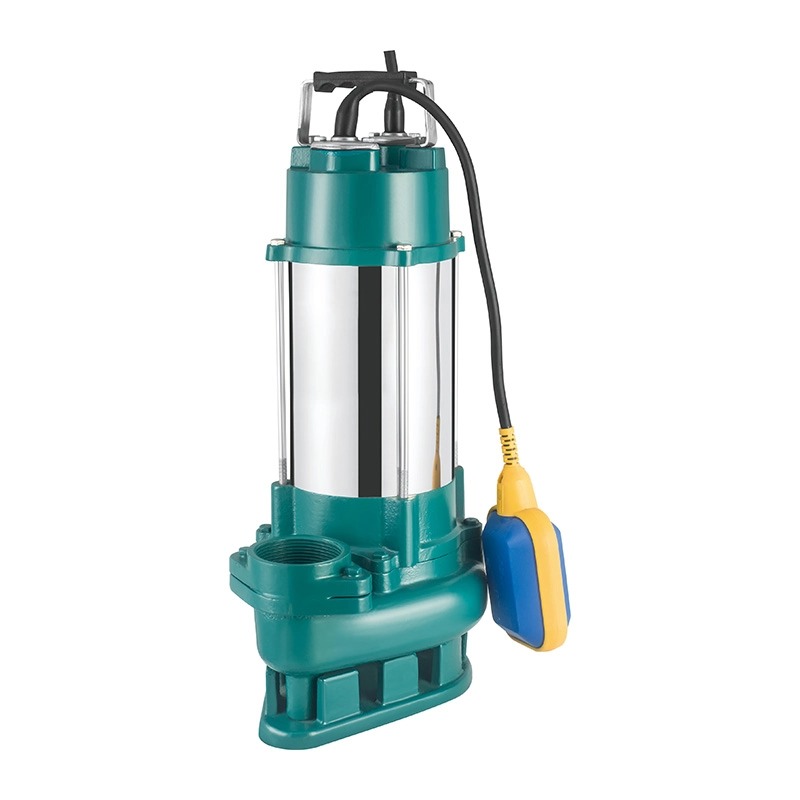
The duration a submersible pump can run is directly tied to what it is made of. Cheap, plastic-housed pumps are usually designed for temporary tasks. They warp under high heat and lack the structural integrity for Heavy duty cycles. If your goal is weeks of non-stop pumping, you need metal.
A Stainless steel submersible pump is the gold standard for longevity. This material offers superior heat dissipation compared to plastic or even cast iron in some cases. Furthermore, Stainless steel resists the corrosive effects of mineral-heavy water or mild chemicals, ensuring the seals remain intact during long runs.
In environments involving Industrial sewage or Chemical resistant requirements, material choice becomes even more vital. Grit and sand act like sandpaper on the internal impellers. Over a long continuous run, this friction generates extra heat and reduces efficiency. A pump with chrome-plated impellers or specialized Stainless steel components will maintain its flow rate longer, preventing the motor from straining and overheating.
| Material | Best Use Case | Continuous Run Suitability | Heat Dissipation |
| Plastic/Thermoplastic | Residential/Emergency | Low (1-4 hours) | Poor |
| Cast Iron | Sump/Drainage | High | Moderate |
| Stainless steel | Deep well / Food / Saline | Very High (24/7) | Excellent |
| Alloy Steel | Industrial sewage / Mining | Very High (Heavy duty) | Excellent |
Even a perfectly rated submersible pump can fail if external factors are working against it. You cannot simply "set it and forget it" without considering the environment. The most common "pump killers" during long-duration runs are related to friction and electrical stability.
If you are pumping Industrial sewage, solids are your enemy. Even if the pump has a grinder or a vortex impeller, thick slurries require more torque from the motor. More torque equals more heat. If the intake becomes partially blocked, the pump works harder but moves less cooling water. This "dead-heading" effect is a leading cause of failure in Heavy duty applications.
Motors hate inconsistent power. If your submersible pump is running on a long extension cord or a weak generator, voltage drops are likely. When voltage drops, the amperage (current) must increase to maintain the same power output. This extra current creates heat in the motor windings. Over a 24-hour run, even a small voltage dip can bake the motor’s insulation until it shorts out.
To ensure a submersible pump runs for months without interruption, a proactive maintenance schedule is non-negotiable. You shouldn't wait for the pump to stop before you check its health. Professional operators use several indicators to monitor performance during continuous duty.
Amp Draw: Periodically check the current with a clamp meter. If it exceeds the nameplate rating, the pump is struggling.
Vibration: Unusual shaking often indicates a damaged impeller or a worn bearing.
Flow Output: A drop in Gallons Per Minute (GPM) usually suggests a clog or internal wear.
In a Deep well setting, pulling a pump for repairs is expensive and labor-intensive. Experts recommend installing a "dry-run protector" or a "pump saver" device. These sensors detect when the water level is too low or when the motor is drawing too much current, automatically shutting it down before permanent damage occurs. This is essential for any Heavy duty setup where the pump is inaccessible.
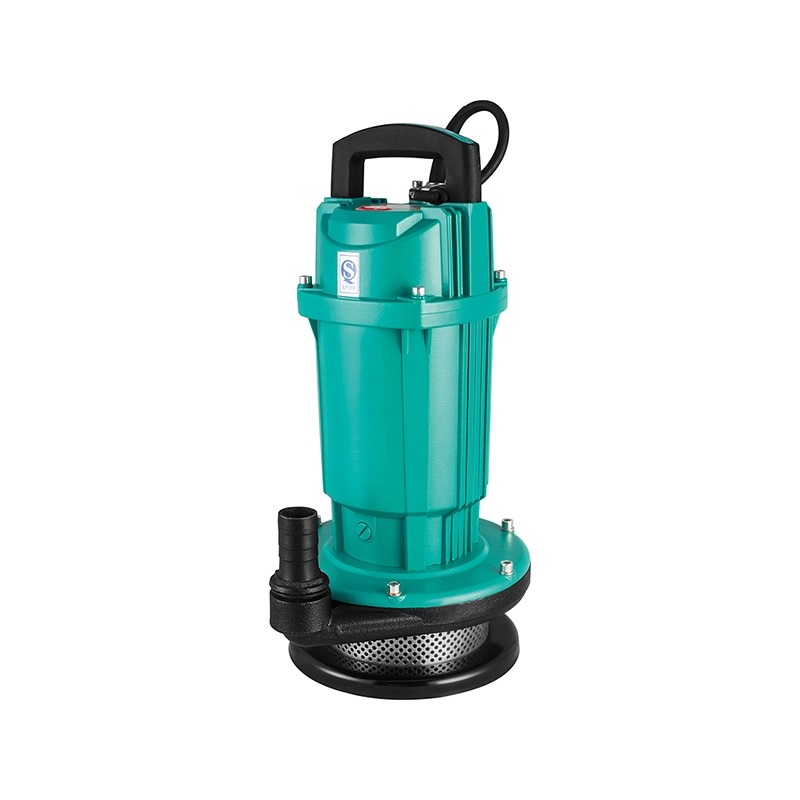
Not all continuous run scenarios are the same. The challenges faced by a Deep well submersible pump are vastly different from those of an Industrial sewage unit. Understanding these differences helps you choose the right tool for the job.
In a Deep well, the pump is usually surrounded by cool, clean groundwater. This provides an excellent cooling environment. Because the water is clean, there is less internal wear. Consequently, these pumps often run for years with very few stops. However, they must deal with high "head pressure"—the weight of the water column they are pushing to the surface.
Industrial sewage pumps face a much "dirtier" reality. They deal with high temperatures, erratic pH levels, and solid debris. These units are built to be Heavy duty, but the abrasive nature of the fluid means they require more frequent inspection. Even if the motor can run 24/7, the mechanical seals might need replacement every few thousand hours to prevent fluid from entering the motor chamber.
How do you get the most out of your submersible pump during an extended run? It comes down to sizing and system design. Many people make the mistake of buying a pump that is either too small or too large for their needs.
If a pump is too small, it will run at its absolute maximum capacity 100% of the time. This leaves no "thermal headroom." If it is slightly oversized and throttled back, it operates more efficiently and stays cooler. A Heavy duty motor running at 80% capacity will last significantly longer than a smaller motor running at 110% of its rated limit.
For professional B2B applications, we often recommend a VFD. This device allows you to adjust the speed of the submersible pump to match the actual demand. Instead of a hard start and stop, the VFD ramps the motor up slowly. This reduces mechanical stress and heat, making it much safer to run the unit for indefinite periods. It is especially useful for Chemical resistant pumps where precise flow control is necessary to prevent chemical reactions or spills.
While a submersible pump is hidden underwater, it still communicates its status through the system. You must be trained to recognize the signs of a pump that is about to fail during a continuous run. Ignoring these signs can lead to total system failure and expensive environmental cleanup, especially with Industrial sewage.
Tripping Circuit Breakers: If the thermal overload protector trips, do not just reset it. The motor is telling you it is too hot.
Odd Noises: A "clunking" or "grinding" sound underwater is usually a sign that the impeller has caught a solid object or a bearing has failed.
Discolored Fluid: In Stainless steel pumps, if you see oil or grease in the water you are pumping, a seal has likely ruptured.
Safety is paramount when electricity and water mix. Ensure your submersible pump is properly grounded and connected to a Ground Fault Circuit Interrupter (GFCI). During long runs, insulation can degrade. Proper grounding prevents the surrounding water from becoming electrified, protecting anyone who might come into contact with the water source.
So, how long can a submersible pump run continuously? If it is a high-quality, Heavy duty model with a Stainless steel or cast iron body, it can often run for several thousand hours—essentially months on end—provided it stays fully submerged in cool water. However, cheaper residential models might only handle a few hours before needing a break.
The key to long-term success is matching the pump to the task. Use Deep well pumps for clean water, Industrial sewage pumps for waste, and always ensure your unit is Chemical resistant if the environment demands it. By monitoring your power supply and water levels, you can keep your pump running safely and efficiently for as long as the job requires.
Q1: Can I run my submersible pump 24/7?
Yes, provided the pump has a "Continuous Duty" rating and remains fully submerged. Most Heavy duty and Deep well pumps are designed for this.
Q2: What happens if the pump runs dry?
Running dry is the quickest way to kill a submersible pump. Without water to cool the motor and lubricate the seals, the unit will overheat and seize, often within minutes.
Q3: Does the pipe size affect how long the pump can run?
Yes. If the discharge pipe is too small, it creates backpressure. This makes the motor work harder, generating more heat and potentially shortening its continuous run capability.
Q4: How do I know if my pump is "Chemical resistant"?
Check the material specifications. Stainless steel (304 or 316) and specialized Viton seals are common indicators that a pump can handle harsher fluids without the housing or gaskets degrading.
As a dedicated manufacturer and global supplier, we understand that reliability is the only metric that matters in the B2B world. Our factory is a hub of precision engineering, where we specialize in producing high-performance submersible pump solutions for the most demanding environments. We don't just sell products; we provide "Heavy duty" peace of mind. Our facility utilizes advanced CNC machining and rigorous pressure testing to ensure every Stainless steel and Industrial sewage pump leaves our floor ready for continuous, 24/7 operation.
We recognize the unique challenges faced by our B2B partners, from large-scale agricultural irrigation to complex municipal waste management. That is why our strength lies in customization and technical support. We offer a wide range of Chemical resistant and Deep well options designed to lower your total cost of ownership through energy efficiency and extended service intervals. When you work with us, you are partnering with a team that values durability as much as you do. We are committed to powering your projects with the best pump technology available in the market today.


