
Views: 0 Author: Site Editor Publish Time: 2025-12-23 Origin: Site


Have you ever wondered if a submersible pump can function above water? Understanding the role of submersion is crucial for optimal performance. In this post, we’ll explore what a submersible pump is, its common uses, and why it must be fully submerged to operate effectively.
Submersible pumps are designed to operate underwater, utilizing a unique working principle. When submerged, the pump's motor drives an impeller, creating a vacuum that draws water in. This process generates centrifugal force, converting kinetic energy into pressure energy, which lifts the water through the outlet pipe.
Key Components of a Submersible Pump:
● Motor: The power source that drives the impeller.
● Impeller: The rotating part that moves water.
● Casing: The outer shell that protects internal components and provides structural integrity.
● Seals: Prevent water from entering the motor cavity, ensuring safe operation.
These components work together seamlessly to provide efficient water movement, making submersible pumps ideal for various applications.
Submersible pumps come in several types, each tailored for specific tasks. Here’s a quick overview:
Type | Description | Use Cases |
Sewage Pumps | Designed for handling wastewater and solids. | Ideal for residential sewage systems. |
Booster Pumps | Increases water pressure for supply lines. | Used in high-rise buildings and irrigation. |
Drainage Pumps | Removes excess water from flooded areas. | Common in basements and construction sites. |
SRM Pumps' Offerings:
● SPA Series: These submersible booster pumps enhance water pressure, making them perfect for residential and commercial use.
● VD Series: Specialized for sewage applications, these pumps can handle solids and are built for durability.
Each type of submersible pump serves a unique purpose, ensuring that there’s a solution for every water movement need. Their versatility makes them essential in both residential and industrial settings, providing reliable performance wherever they are used.
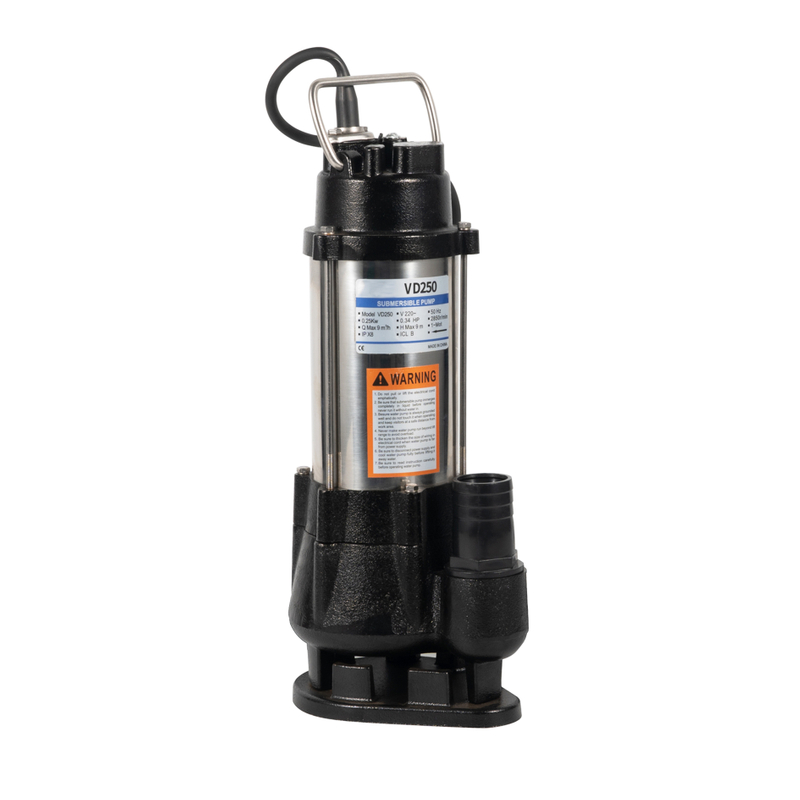
Submersible pumps are specifically designed for underwater operation, and this design is crucial for their effectiveness. Their structure includes a compact motor-pump assembly that is optimized for submersion. Unlike surface pumps, these units are built to handle the pressure and conditions found beneath the water surface. This unique design ensures that they can operate efficiently while minimizing wear and tear.
When submerged, the pump's casing protects the internal components from environmental factors, allowing for reliable performance. The waterproof sealing systems further enhance this capability, ensuring that the motor remains protected from water intrusion. Without full submersion, these protective features cannot function as intended, leading to potential damage.
Water plays a vital role in cooling the motor of a submersible pump. When submerged, the surrounding water helps dissipate heat generated during operation. This cooling effect is essential because an overheated motor can lead to severe damage. If a pump operates above water, it risks overheating quickly, resulting in motor burnout or failure of internal components.
Key Risks of Overheating:
● Reduced Lifespan: Continuous overheating can shorten the pump's life.
● Performance Issues: An overheated motor may not generate adequate pressure.
● Complete Failure: Ultimately, overheating can lead to catastrophic pump failure.
Liquid not only cools the motor but also serves as a lubricant for internal seals and bearings. This lubrication is crucial for smooth operation, reducing friction and wear. If a submersible pump runs dry, the seals can fail, leading to leaks and potentially damaging the motor.
Consequences of Running Dry:
● Seal Failure: Lack of lubrication can cause seals to wear out quickly.
● Internal Damage: Components may overheat and sustain irreversible damage.
● Increased Maintenance Costs: Frequent repairs and replacements can become costly.
Mechanical seals are designed to prevent water from entering the motor cavity. When the pump is submerged, these seals maintain their integrity, ensuring safe and efficient operation. Without proper submersion, however, the risk of seal failure increases, jeopardizing the entire pump system.
In summary, the necessity of submersion for submersible pumps cannot be overstated. From cooling and lubrication to structural integrity, being fully submerged is essential for optimal performance and longevity.
Self-priming is a crucial feature of submersible pumps, allowing them to draw water from below without needing to be manually filled. This capability is especially important in applications where the water source is deep or fluctuates. When submerged, these pumps can efficiently create a vacuum that pulls water into the pump, ensuring a steady flow.
Importance of Self-priming:
● Convenience: It eliminates the need for additional equipment.
● Time-saving: Reduces the startup time for pumping operations.
● Efficiency: Maintains consistent performance even as water levels change.
Submersion enhances this self-priming ability. When fully submerged, the pump can quickly and effectively manage water intake, preventing air from entering the system. This efficiency not only optimizes performance but also prolongs the life of the pump.
To ensure proper operation, submersible pumps have specific minimum submergence requirements. These requirements vary depending on the model and application. If the pump is not submerged to the appropriate depth, it may draw in air, leading to cavitation and reduced efficiency.
Key Considerations for Submergence Depth:
● Avoiding Air Intake: Submersion prevents air from being sucked into the pump, which can cause damage.
● Ensuring Proper Function: Adequate depth allows the pump to operate within its designed parameters.
● Model Variations: Different models may have different depth requirements based on their design and intended use.
Here’s a quick reference table to illustrate the minimum submergence depths for various SRM Pumps models:
Pump Model | Minimum Submergence Depth |
SPA Series | 2 feet |
VD Series | 3 feet |
ZQB Series | 1.5 feet |
For instance, the SPA Series requires a minimum depth of 2 feet to function optimally. If submerged less than this, the pump may struggle to maintain pressure and efficiency. Understanding these requirements is essential for anyone looking to maximize the performance of their submersible pump.
By ensuring that your submersible pump is adequately submerged, you can enhance its performance, efficiency, and longevity in various applications.
Operating a submersible pump above water can lead to significant risks and potential damage. One of the primary concerns is the motor overheating. When the pump is not submerged, it lacks the cooling benefits provided by water. This can lead to severe damage to the motor and its internal components.
Key Issues:
● Motor Damage: Without water for cooling, motors can overheat, leading to failure.
● Seal Failure: The seals designed to protect the motor may dry out and crack when not submerged, allowing water to enter and cause more damage.
● Cavitation Problems: Operating above water can introduce air into the pump. This phenomenon, known as cavitation, occurs when vapor bubbles form and collapse within the pump.
Understanding Cavitation:
Cavitation can severely affect pump efficiency and lifespan. When bubbles collapse, they create shockwaves that can damage impellers and other internal components. This not only reduces the pump's effectiveness but also increases maintenance costs and downtime.
To ensure safe operation, submersible pumps must adhere to specific waterproof standards, commonly indicated by IP ratings. These ratings provide a clear indication of how well a pump can resist water and dust ingress.
Overview of IP Ratings:
IP Rating | Protection Level | Description |
IP68 | Complete protection | Suitable for continuous immersion in water. |
IP67 | Temporary immersion | Can withstand immersion for a limited time. |
IP65 | Dust-tight and splash-proof | Protected against water jets and dust. |
Adhering to these safety guidelines is crucial. It ensures that the pump operates effectively without risking damage from water exposure. SRM Pumps, for instance, complies with these waterproof standards, providing reliable products that meet industry expectations.
By choosing pumps with appropriate IP ratings, users can enhance safety and performance. This compliance not only protects the investment but also ensures that the pump functions optimally in its intended environment. Always check the specifications to ensure your submersible pump meets necessary safety requirements.
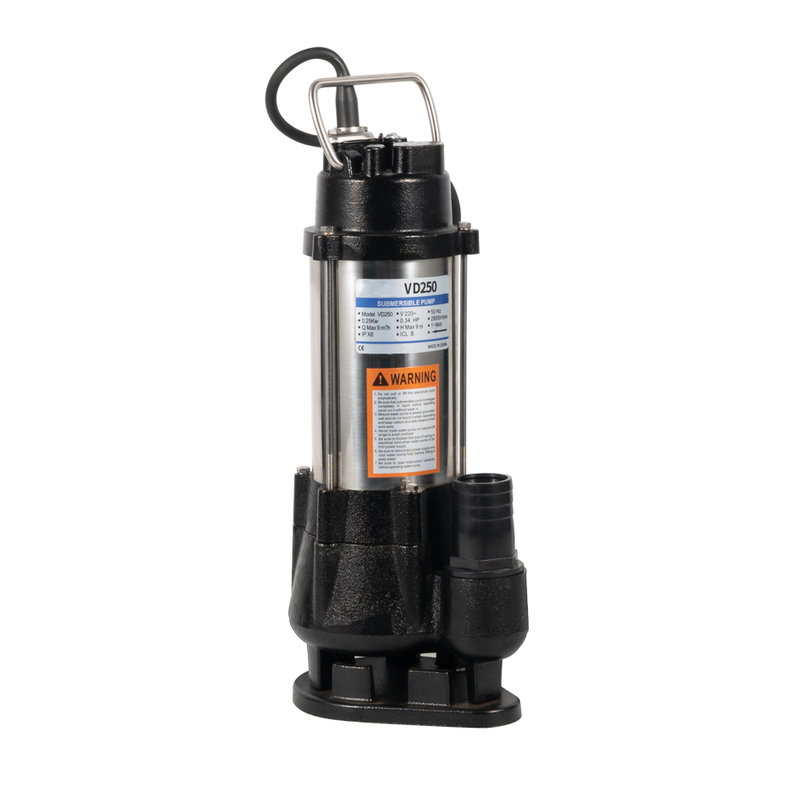
While most submersible pumps need to be submerged for optimal performance, there are specialty models designed for external use. These pumps are engineered to handle specific tasks above water, making them versatile for various applications. They typically include features that allow safe operation without immersion.
Key Characteristics of Specialty Pumps:
● Robust Design: These pumps often have enhanced cooling systems to prevent overheating when used above water.
● Versatile Applications: They can be used in situations where it’s impractical or impossible to submerge a pump, such as in construction sites or emergency drainage.
One notable example is the ZQB DC Submersible Pump. This model is specifically designed to function effectively even when not fully submerged, making it ideal for various applications.
Applications of the ZQB DC Submersible Pump:
Application | Description |
Aquarium Systems | Can be used to maintain water circulation without being submerged. |
Surface Water Removal | Efficiently removes water from flooded areas while positioned above the water level. |
Irrigation Systems | Useful in delivering water to crops without needing to be placed in water sources. |
These specialty pumps provide a solution for specific scenarios where traditional submersible pumps may not be suitable. Their ability to operate effectively outside of water expands their usability, catering to various industries and needs.
When considering a pump for your project, it's essential to evaluate the specific requirements and understand the capabilities of these specialty models. This ensures you select the right equipment for the job, maximizing efficiency and safety.
A: No, running a submersible pump dry, even briefly, can cause severe damage to the motor and seals, leading to failure.
A: Partial submersion can lead to air intake, causing cavitation, overheating, and reduced efficiency, ultimately damaging the pump.
A: Regular maintenance, including inspections, cleaning, and adherence to manufacturer specifications, is crucial for optimal performance and longevity.
A: Common signs include unusual noises, decreased water flow, overheating, and frequent tripping of circuit breakers. These indicate potential mechanical issues.
A: The minimum submergence depth varies by model, typically ranging from 1.5 to 3 feet. Refer to the manufacturer’s specifications to ensure proper operation.
Submersible pumps must be submerged for optimal performance. Key points include the risks of operating above water and the importance of proper submergence depth. Choosing the right pump is crucial, considering specific needs and manufacturer guidelines.
SRM Pumps offers reliable solutions for various applications. Always prioritize safety and efficiency when selecting a submersible pump to ensure long-lasting performance.


