
Views: 0 Author: Site Editor Publish Time: 2025-12-19 Origin: Site


Have you ever wondered if submersible pump wires can be buried? Understanding this is crucial for safe and effective installations.
In this article, we’ll explore what submersible pumps are and their common uses. We’ll also discuss the importance of electrical wiring standards and safety measures when installing these pumps.
When it comes to submersible pumps, the type of wiring used is crucial for ensuring safe and efficient operation. Let’s break down the various types of wires you might encounter.
Direct burial cables are designed specifically for underground use. Two common types include:
● Type UF (Underground Feeder): This cable is moisture-resistant and suitable for direct burial without additional protection.
● Type USE (Underground Service Entrance): Similar to UF, this type is also rated for direct burial and can withstand harsh conditions.
These cables are essential for connecting submersible pumps to power sources safely.
Submersible pump cables, such as TWU-40 or twisted cables, are specially designed for use within wells. Unlike direct burial cables, these wires often need additional protective measures. They must be rated for underwater use, ensuring they can handle exposure to water and moisture over time.
Wire Type |
Application |
Protection Level |
Type UF |
Direct burial |
Moisture-resistant |
Type USE |
Direct burial |
Moisture-resistant |
TWU-40 / Twisted |
Inside well casing |
Requires additional protection |
The characteristics of submersible pump wires play a significant role in their performance. Here are some critical features to consider:
● Waterproofing: This is essential for any wire used in a wet environment. Waterproof cables prevent short circuits and ensure reliable operation.
● Corrosion Resistance: Since these wires often come into contact with water, they must resist corrosion. Materials like copper and specialized coatings help maintain wire integrity.
● Temperature Ratings: Different applications can expose wires to varying temperatures. Choosing wires with appropriate temperature ratings ensures they function well under specific conditions.
Selecting the right wire is not just about compliance; it significantly impacts performance and longevity. Using inferior wiring can lead to failures, resulting in costly repairs or replacements.
For instance, if you choose a wire without adequate waterproofing, it may fail prematurely. On the other hand, high-quality wires designed for submersible use can last many years, even in challenging conditions.
Here are some specifications to look for when choosing wires for submersible pumps:
● Gauge: Ensure the wire gauge matches the pump's power requirements. Thicker wires (lower gauge numbers) can handle more current.
● Voltage Rating: Verify that the wire can handle the voltage supplied to the pump.
● Length: Consider the distance from the power source to the pump. Longer runs may require thicker wires to prevent voltage drop.
By understanding these aspects, you can make informed decisions that enhance the efficiency and reliability of your submersible pump system.
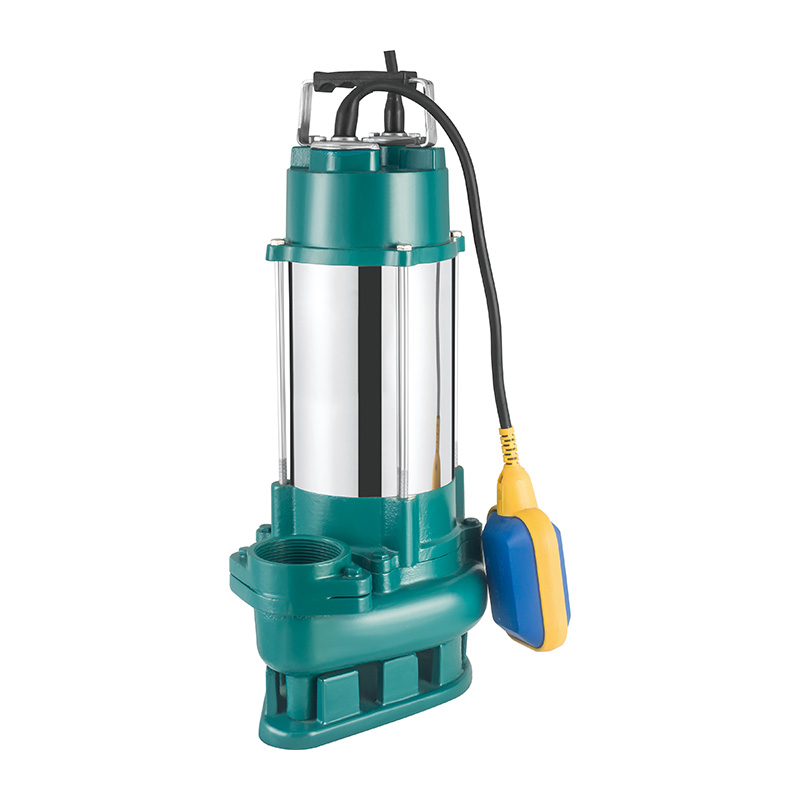
When considering the installation of submersible pumps, a common question arises: can the wires be buried? Understanding the guidelines and regulations is vital for ensuring safety and compliance.
Wires can be buried underground if they are specifically rated for such use. This means they must be designed to withstand moisture, pressure, and potential physical damage. For instance, using direct burial cables like Type UF is essential for optimal performance. These cables are built to resist corrosion and moisture, making them ideal for underground applications.
The wire rating is crucial. Not all wires can handle the harsh conditions found underground. Using wires not rated for burial can lead to failures, causing your submersible pump system to malfunction. Always check that the wire specifications meet the necessary standards for underground installation.
The NEC provides specific guidelines for burying electrical wires. Adhering to these regulations helps prevent accidents and ensures long-term reliability. Here are some key recommendations:
Wire Type |
Minimum Burial Depth |
Direct Burial (UF Cable) |
24 inches |
Rigid Nonmetallic Conduit (PVC) |
18 inches |
Rigid Metal Conduit |
6 inches |
Residential GFCI Circuits |
12 inches (for 120V, 20A circuits) |
These depths help protect the wires from physical damage and ensure they operate safely.
SRM Pumps offers a variety of submersible models, each with unique wiring requirements. For example, models designed for high-efficiency applications may require specialized cables that can handle increased power loads. It's essential to consult the manufacturer's specifications to ensure proper installation.
High-efficiency pumps often operate under different conditions than standard models. They may need wires with higher temperature ratings or additional protective features. When selecting wires, consider factors like:
● Voltage Ratings: Ensure compatibility with the pump's voltage requirements.
● Gauge: The wire gauge should match the pump's power needs, especially for longer runs.
● Environmental Conditions: If the pump operates in extreme temperatures, select wires designed for those conditions.
By understanding these aspects, you can make informed decisions that enhance the performance and longevity of your submersible pump system.
Installing submersible pump wires correctly is crucial for safety and efficiency. Here are some best practices to follow during installation.
Using PVC conduit offers significant advantages. It provides a protective barrier against moisture, physical damage, and chemical exposure. This is especially important for submersible pumps, which often operate in wet environments. Additionally, PVC conduit is lightweight and easy to install, making it a popular choice among installers.
Rodents can be a real threat to buried wires. To mitigate this risk, consider using rodent-resistant conduit or wrapping the wires in protective mesh. Furthermore, when installing wires, ensure they are placed deep enough to avoid disturbances from soil movement. This will help prevent accidental damage during landscaping or construction activities.
Backfilling is a critical step in the installation process. Improper backfilling can lead to wire damage, which may result in costly repairs. It’s essential to layer the backfill materials carefully to avoid pressure points that could harm the wires.
When backfilling, choose materials that provide both support and protection. Here are some recommended options:
● Sand: This is ideal for providing a soft bed around the wires, minimizing the risk of damage.
● Fine Soil: Using fine soil helps fill gaps and provides stability without adding too much weight.
● Gravel: In some cases, gravel can be used for drainage purposes, but it should not be placed directly against the wires.
Backfill Material |
Benefits |
Sand |
Soft, minimizes damage risk |
Fine Soil |
Fills gaps, provides stability |
Gravel |
Aids drainage (use cautiously) |
Before installation, it’s vital to check local building codes. These regulations often dictate how deep wires must be buried and what materials are acceptable. Consulting local building departments can help ensure compliance and avoid potential fines or safety hazards.
Keep in mind that regulations can vary significantly from one area to another. Some regions may have stricter requirements regarding wire types or burial depths. Always verify the local codes applicable to your specific location to ensure a safe and compliant installation.
Safety should always be a priority during installation. Following safety standards helps protect not only the installer but also the integrity of the entire system. Use proper personal protective equipment (PPE) and ensure that all tools are in good condition.
Several common mistakes can lead to issues down the line. Here are a few to watch out for:
● Neglecting Wire Ratings: Always use wires rated for burial; otherwise, you risk failure.
● Improper Depth: Failing to bury wires at the required depth can expose them to damage.
● Ignoring Local Codes: Skipping the consultation of local regulations can lead to safety violations.
By following these best practices, you can ensure a successful installation of your submersible pump wires, enhancing both safety and performance.
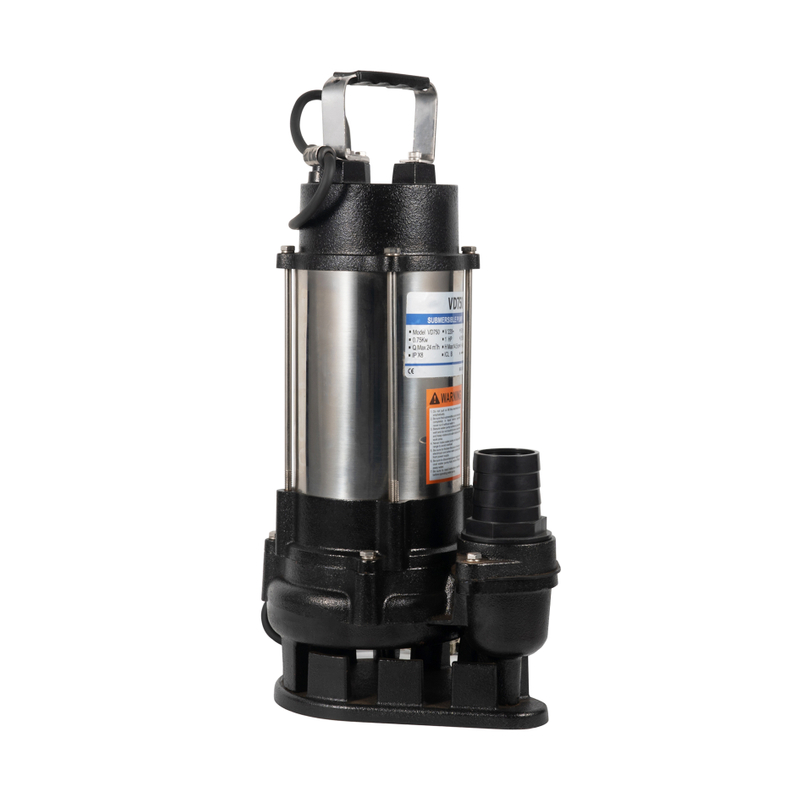
When choosing SRM Pumps, customers often have specific questions regarding installation and maintenance. Addressing these inquiries helps ensure optimal performance and safety.
One of the most common questions is whether the wires used in SRM Pumps are rated for burial. Yes, SRM Pumps utilize wires specifically designed for underground installations. These wires are built to withstand moisture and pressure, ensuring they perform well in submerged conditions.
It’s crucial to confirm that the wires meet local burial requirements. Using wires that are not rated for burial can lead to serious issues, such as short circuits or pump failures. Always check the specifications provided by SRM to ensure compliance.
SRM Pumps provides official installation guidelines that are readily available on their website. These guidelines cover everything from wiring to proper pump placement. Following these instructions is essential for achieving the best performance from your submersible pump.
In areas prone to freezing temperatures, SRM recommends burying wires below the frost line. This depth varies by region, so it’s important to check local guidelines. Additionally, using protective conduit can help shield the wires from damage caused by freezing soil.
Condition |
Recommended Depth |
Frost-prone Areas |
Below 36 inches |
Non-frost Areas |
24 inches |
To ensure the longevity and reliability of your submersible pump, regular inspections are key. It’s advisable to check buried wires at least once a year. Look for signs of wear, corrosion, or damage that could affect performance.
Be vigilant for specific signs indicating wire damage:
● Frayed insulation: This can expose wires and lead to short circuits.
● Discoloration: Changes in color may suggest overheating or corrosion.
● Unusual noises: Any odd sounds from the pump could indicate electrical issues.
To extend the life of your submersible pump, consider these tips:
● Use quality materials: Always opt for certified wires and components.
● Follow installation guidelines: Adhering to SRM's recommendations ensures optimal performance.
● Perform routine maintenance: Regular check-ups can catch potential problems early.
SRM Pumps is dedicated to providing high-quality products that meet stringent safety standards. Their commitment ensures that customers receive reliable and durable submersible pumps suitable for various applications.
Using certified products is crucial for safety and performance. SRM emphasizes following their installation guidelines to avoid issues and ensure compliance with local regulations. This commitment to quality not only enhances the pump's efficiency but also protects the user’s investment.
Submersible pump wires can indeed be buried, provided they meet specific ratings.
It’s essential to use wires rated for underground use.
Following local codes and guidelines is crucial for safety.
Always consult professionals to ensure proper installation.
Prioritizing safety and compliance will lead to a more reliable pump system.
A: No, regular electrical wires are not designed for underwater use. Use wires specifically rated for burial.
A: Inspect the damage immediately. Replace the wire with a certified product to ensure safety and functionality.
A: Inspect buried wires at least once a year for signs of wear or damage.
A: Follow installation guidelines, perform regular inspections, and use quality materials.
A: High-quality wires enhance durability, resist corrosion, and ensure reliable performance in harsh conditions.


