
Views: 0 Author: Site Editor Publish Time: 2025-12-21 Origin: Site


Have you ever wondered how submersible pumps maintain efficiency? Understanding check valves is crucial for optimal performance. In this article, we’ll explore the role of check valves in submersible pumps and why they matter. You’ll learn about their functions, benefits, and how to choose the right one for your needs.
A submersible pump is a type of pump designed to operate underwater. Unlike standard pumps, which draw water from above, submersible pumps are placed directly in the fluid they are pumping. This unique design allows them to push water to the surface, making them highly efficient for various applications.
Submersible pumps are versatile and widely used in different sectors. Here are some common applications:
● Residential Use: Homeowners often use submersible pumps for drainage in basements or swimming pools. They efficiently remove excess water, preventing flooding and water damage.
● Industrial Applications: In industries, these pumps handle wastewater, process fluids, and even chemicals. Their robust design allows them to operate in harsh environments.
● Agricultural Use: Farmers utilize submersible pumps for irrigation and to supply water to livestock. They ensure a reliable water source, crucial for crop growth and animal health.
Application |
Description |
Residential |
Draining basements and pools |
Industrial |
Handling wastewater and process fluids |
Agricultural |
Irrigation and livestock water supply |
Submersible pumps offer several advantages over other types of pumps. Here are some key benefits:
1. Efficiency: They are designed to operate underwater, which reduces energy consumption. This design allows them to push water to the surface without needing additional energy.
2. Space-Saving: Submersible pumps are compact and can fit into tight spaces. This makes them ideal for residential and industrial applications where space is limited.
3. Reduced Noise: Operating underwater, these pumps are quieter than surface pumps. This feature is particularly beneficial in residential areas where noise pollution is a concern.
4. Less Maintenance: With fewer moving parts exposed to the elements, submersible pumps often require less maintenance. Their durability means they can last longer with minimal upkeep.
Submersible pumps play a crucial role in various sectors, focusing on specific applications such as:
● Water Supply: They are essential in providing a consistent water supply for residential and industrial needs. Their ability to pump water from deep wells makes them invaluable.
● Drainage: These pumps effectively manage excess water in construction sites, basements, and flood-prone areas. They help maintain dry conditions and prevent damage.
● Water Treatment: In wastewater treatment facilities, submersible pumps are vital for moving sewage and treated water. Their robust design ensures they can handle solid particles and harsh chemicals.
● Fire Protection: Submersible pumps are used in fire protection systems to ensure a reliable water supply during emergencies. They can quickly deliver water to fire hydrants and sprinkler systems.
Modern submersible pumps integrate intelligent manufacturing and advanced system design. This integration enhances their efficiency and reliability. Technologies like automated monitoring and control systems allow for real-time performance tracking. As a result, these pumps not only meet current demands but also adapt to future challenges in water management.
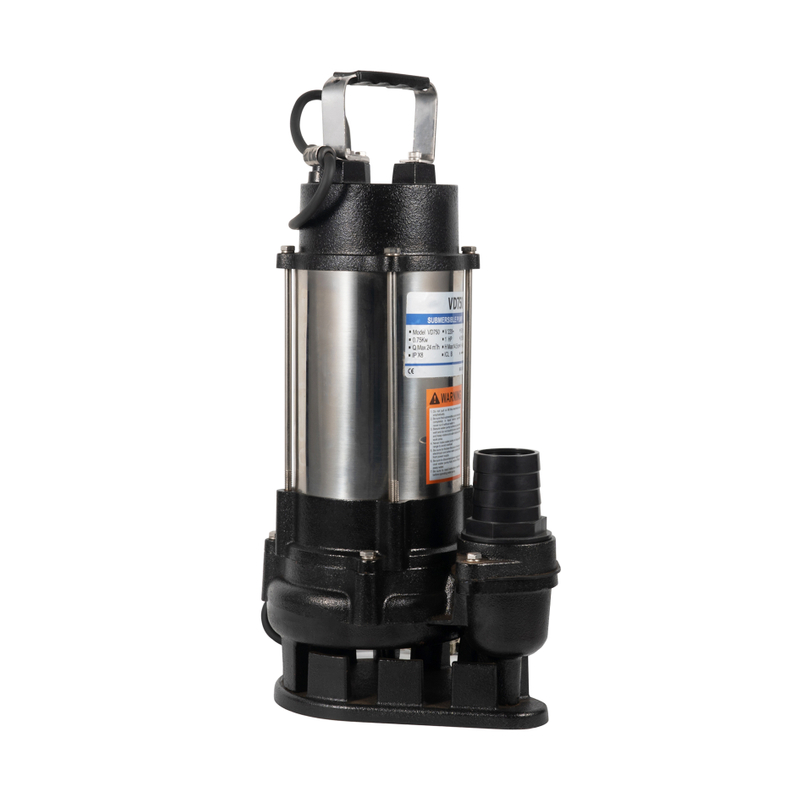
A check valve is a crucial component in fluid systems. Its primary function is to allow fluid to flow in one direction while preventing backflow. This simple yet effective mechanism helps maintain system efficiency and protects equipment from damage.
Check valves operate based on pressure differences. When fluid flows in the intended direction, it pushes against a disc or ball inside the valve. This movement opens the valve, allowing fluid to pass through. However, if the flow reverses, the pressure drops, and the disc or ball closes, blocking any backflow.
Here's a simplified diagram to illustrate how a check valve functions:
[Fluid Flow] → [Open Valve] → [Fluid Moves]
[Reverse Flow] ← [Closed Valve] ← [No Backflow]
Check valves play a vital role in various fluid systems and applications. Here are some key reasons why they are essential:
1. Preventing Backflow: Backflow can cause contamination and damage to pumps and pipelines. By preventing it, check valves help maintain the integrity of the system.
2. Maintaining Pressure: In systems where consistent pressure is critical, check valves ensure that pressure is not lost due to reverse flow. This stability is particularly important in applications like water supply and irrigation.
3. Enhancing System Efficiency: By allowing fluid to flow only in one direction, check valves help optimize the performance of pumps and other equipment. This efficiency can lead to lower energy costs and improved operational longevity.
Importance |
Description |
Preventing Backflow |
Protects against contamination and equipment damage |
Maintaining Pressure |
Ensures consistent pressure in fluid systems |
Enhancing System Efficiency |
Optimizes pump performance and reduces energy costs |
In summary, check valves are integral to the functionality of submersible pumps and other fluid systems. Their ability to control flow direction effectively prevents potential issues and enhances overall system performance.
Check valves are vital components in submersible pump systems. They ensure the smooth operation of pumps by preventing backflow, maintaining pressure, and enhancing overall efficiency. Let’s explore the importance of check valves in more detail.
Backflow occurs when fluid flows in the opposite direction. This can cause significant problems for submersible pumps, including contamination and damage. When backflow happens, it can lead to:
● Contaminated Water: If water from a dirty source flows back into a clean water supply, it can introduce harmful pollutants.
● Pump Wear and Tear: Repeated backflow can strain the pump, leading to premature failure.
Check valves effectively prevent backflow by closing automatically when reverse flow is detected. This simple mechanism protects the integrity of the pump and the entire system.
Stable pressure is crucial in pumping systems. Fluctuations in pressure can lead to inefficiencies and operational issues. Here’s why maintaining consistent pressure matters:
● Optimal Performance: Pumps operate best under stable pressure conditions. Variations can reduce their efficiency.
● Preventing Cavitation: Low pressure can cause cavitation, which damages pump components.
Check valves help maintain consistent water pressure by ensuring that fluid only flows in the desired direction. This stability is essential for the effective operation of submersible pumps.
Importance of Stable Pressure |
Description |
Optimal Performance |
Pumps work efficiently when pressure is stable |
Preventing Cavitation |
Avoids damage to pump components due to low pressure |
Sewage pumps face unique challenges, such as handling solid waste and debris. Blockages can disrupt operations and lead to costly repairs. Here’s how check valves help:
● Preventing Backflow: By stopping reverse flow, check valves reduce the risk of blockages caused by sewage backing up.
● Enhancing Efficiency: With check valves in place, sewage pumps can operate more smoothly, reducing the chances of clogs.
By preventing backflow, check valves play a critical role in ensuring sewage pumps function efficiently and effectively.
Lifting stations are essential for transporting wastewater and stormwater. They rely on submersible pumps to move fluids from lower to higher elevations. Check valves are crucial in these systems because:
● Overview of Function: Lifting stations collect and pump wastewater to treatment facilities. Any disruption can lead to overflow and environmental issues.
● Smooth Operations: Check valves ensure that fluid flows correctly, preventing backflow and maintaining the efficiency of the lifting station.
In summary, check valves are critical for the reliable operation of submersible pumps. They protect against backflow, maintain pressure, and enhance the performance of sewage pumps and lifting stations. By understanding their importance, we can appreciate the role check valves play in effective fluid management.
When considering submersible pumps, many people wonder if they come equipped with built-in check valves. Understanding this feature can help you make informed decisions about your pumping needs.
Modern submersible pumps often include built-in check valves. These valves are designed to enhance the pump's efficiency and reliability. Here are some common features of these pumps:
● Integrated Design: Built-in check valves are typically part of the pump housing, allowing for a compact design. This integration helps save space and simplifies installation.
● Automatic Operation: These valves function automatically, opening when fluid flows in the correct direction and closing to prevent backflow.
● Durability: Built-in check valves are engineered to withstand harsh conditions, making them suitable for various applications.
Typical Scenarios Where Built-in Check Valves Are Sufficient:
1. Residential Applications: In home sump pumps or drainage systems, built-in check valves are generally adequate. They effectively prevent backflow and ensure proper water drainage.
2. Shallow-Well Applications: For shallow wells where the water source is not too deep, built-in check valves provide sufficient protection against backflow.
Application Type |
Adequacy of Built-in Check Valves |
Residential |
Often sufficient |
Shallow Wells |
Generally adequate |
Industrial Systems |
May require additional valves |
While built-in check valves offer many benefits, they do have limitations. In some situations, relying solely on them may not be enough.
● Deep-Well Applications: In deep-well scenarios, the pressure differences can be significant. Built-in valves may struggle to function correctly under these conditions, leading to potential backflow issues.
● High-Volume Systems: In systems requiring high flow rates, built-in check valves may not keep up. This can result in decreased efficiency and increased wear on the pump.
Importance of Considering Additional External Check Valves:
In cases where built-in check valves may fall short, adding external check valves can enhance system performance. External valves provide an extra layer of protection against backflow and help maintain stable pressure. They are particularly useful in:
● Complex Systems: For systems with multiple pumps or varying elevations, external check valves can help manage flow more effectively.
● Sewage and Wastewater Applications: In these scenarios, external check valves are essential to prevent backflow and maintain system integrity.
By understanding the role of built-in check valves in submersible pumps, you can better assess your specific needs and make informed choices for your pumping systems.
While many submersible pumps come equipped with built-in check valves, there are specific situations where external check valves are necessary. Understanding when to use them can significantly enhance the performance and reliability of your pumping system.
Certain conditions necessitate the use of external check valves to ensure optimal operation. Here are some key situations:
In deep-well scenarios, the challenges intensify. The pressure at greater depths can create issues that built-in check valves may not handle effectively. External check valves can provide:
● Enhanced Backflow Prevention: They offer an additional layer of protection against backflow, which is crucial in deep wells where the risk of contamination is higher.
● Pressure Management: External valves help maintain consistent pressure, preventing potential cavitation and pump damage that can occur in deep applications.
Local building codes and regulations often dictate the requirements for check valve installation. Here’s what to consider:
● Compliance: Some areas require external check valves to meet safety and operational standards. It’s essential to check local regulations to ensure compliance.
● System Design: Depending on your system's design and functionality, external check valves may be mandated to enhance safety and efficiency.
Situation |
Reason for External Check Valves |
Deep-Well Applications |
Enhanced backflow prevention and pressure management |
Local Codes and Regulations |
Compliance with safety and operational standards |
When considering external check valves for submersible pumps, choosing the right type is crucial for optimal performance. Here’s an overview of the best options:
1. Swing Check Valves: These valves use a swinging disc to allow flow in one direction. They are ideal for applications where backflow prevention is critical.
2. Lift Check Valves: These valves utilize a disc that lifts off its seat to allow flow. They are suitable for high-pressure systems and provide reliable backflow prevention.
3. Ball Check Valves: Featuring a ball that moves up and down, these valves offer excellent sealing capabilities and are great for preventing backflow in various applications.
Feature |
Built-in Check Valves |
External Check Valves |
Installation |
Integrated into the pump |
Installed separately |
Space Requirements |
Compact design |
May require additional space |
Maintenance |
Generally low maintenance |
May need more frequent checks |
Performance in Deep Wells |
Limited effectiveness |
Enhanced performance and reliability |
In summary, understanding when to use external check valves is essential for maximizing the efficiency of submersible pumps. Whether dealing with deep wells or ensuring compliance with local regulations, selecting the right type of check valve can make a significant difference in system performance.
Not having a check valve in a submersible pump system can lead to several significant issues. These problems can affect the pump's performance and longevity, making it essential to understand their implications.
Backspin occurs when the pump motor continues to run after the pump has stopped, causing the impeller to rotate in the reverse direction. This situation can lead to several negative consequences:
● Wear and Tear: Continuous backspin can cause excessive wear on the pump components, leading to premature failure.
● Contamination: If water flows backward, it can bring contaminants into the clean water supply, posing health risks.
Check valves play a crucial role in preventing backspin. By closing when the pump stops, they block any reverse flow, ensuring that the pump remains in the correct operational direction.
Up-thrust is a condition where the pump's impeller is forced upward due to pressure changes in the system. This issue can severely impact pump performance, leading to:
● Increased Vibration: Up-thrust can cause excessive vibration, which may damage the pump and surrounding equipment.
● Reduced Efficiency: When the impeller is not properly positioned, the pump's efficiency decreases, leading to higher energy costs.
Check valves help mitigate up-thrust by maintaining a consistent pressure in the system. They ensure that water flows in one direction, reducing the risk of pressure fluctuations that can cause up-thrust.
Problem Type |
Consequences |
Role of Check Valves |
Backspin Issues |
Wear, contamination |
Prevents reverse flow |
Up-thrust Issues |
Vibration, reduced efficiency |
Maintains consistent pressure |
Water hammer is a phenomenon that occurs when the flow of water suddenly changes direction or stops. This abrupt change can create shockwaves in the system, leading to:
● Pipe Damage: The pressure surge can cause pipes to crack or burst, leading to costly repairs.
● Equipment Failure: The sudden pressure changes can damage pumps and other components in the system.
Check valves are essential in preventing water hammer. By allowing fluid to flow smoothly in one direction and closing off reverse flow, they help maintain steady pressure and reduce the risk of shockwaves in the system.
In summary, the absence of check valves in submersible pump systems can lead to backspin issues, up-thrust problems, and water hammer effects. Understanding these common problems highlights the critical importance of including check valves in your pump system design.
Selecting the right check valve for your submersible pump is essential for ensuring optimal performance and longevity. Here are some key factors to consider and installation tips to help you make the best choice.
When choosing a check valve, several factors come into play. Understanding these can help you find a valve that meets your specific needs.
The size of the check valve must match the pump's specifications. A valve that is too small will restrict flow, while one that is too large may not seal properly. Here’s how to ensure compatibility:
● Measure the Pipe Diameter: Know the diameter of the discharge pipe connected to your pump. This measurement will guide you in selecting the correct valve size.
● Flow Rate Requirements: Consider the flow rate of your pump. Ensure the check valve can handle the maximum flow without causing pressure drops.
The material of the check valve is crucial, especially in environments where corrosion is a concern. Here are some common materials and their characteristics:
● PVC: Lightweight and resistant to corrosion, making it ideal for many water applications.
● Stainless Steel: Highly durable and corrosion-resistant, suitable for harsh environments but may be more expensive.
● Brass: Offers good strength and resistance to corrosion, often used in residential applications.
Material |
Pros |
Cons |
PVC |
Lightweight, corrosion-resistant |
Not suitable for high temperatures |
Stainless Steel |
Durable, excellent corrosion resistance |
Higher cost |
Brass |
Strong, good for residential use |
Can corrode in harsh conditions |
Proper installation of check valves is vital for their effective operation. Following best practices can prevent common issues.
1. Positioning: Ensure the check valve is installed vertically or horizontally as specified by the manufacturer. Proper orientation helps it function effectively.
2. Use Gaskets: Always use appropriate gaskets or seals to prevent leaks at the connections. This ensures a tight fit and maintains system pressure.
3. Check Valve Orientation: Pay attention to the flow direction indicated on the valve. Installing it backward can lead to backflow and system failure.
● Ignoring Manufacturer Instructions: Always refer to the manufacturer's guidelines for specific installation instructions. Skipping this can lead to improper functioning.
● Over-tightening Connections: While it’s important to secure connections, over-tightening can damage the valve or fittings, leading to leaks.
● Neglecting to Test: After installation, always test the system for leaks and proper operation. This step is crucial to ensure everything is working as it should.
By considering these factors and following best practices for installation, you can choose the right check valve for your submersible pump. This choice will enhance the efficiency and reliability of your pumping system, ensuring it operates smoothly for years to come.
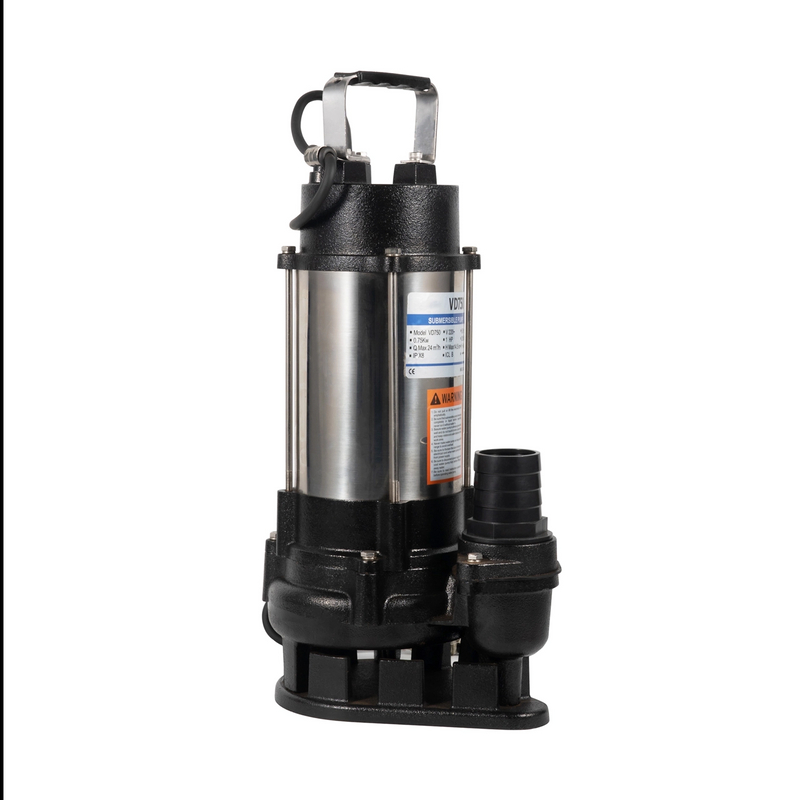
The landscape of submersible pump technology is constantly evolving, driven by significant investments in research and development (R&D). Companies are focusing on innovation to enhance performance, efficiency, and reliability. Understanding the importance of R&D can provide insights into the future of submersible pumps and their components, such as check valves.
Companies in the submersible pump industry are increasingly recognizing the value of investing in R&D. This investment is crucial for several reasons:
● Innovation: Firms allocate resources to develop new technologies that improve pump efficiency, reduce energy consumption, and enhance durability. Innovations often focus on optimizing the design of check valves, which play a vital role in preventing backflow and maintaining system pressure.
● Competitive Advantage: By investing in R&D, companies can differentiate their products in a crowded market. Advanced features, such as smart technology integration and improved materials, can set a product apart from competitors.
● Customer Satisfaction: Enhanced technology leads to better performance and reliability, which ultimately increases customer satisfaction. When pumps operate efficiently and reliably, it builds trust and loyalty among users.
Technological advancements in check valve design are particularly significant. Here’s why:
● Enhanced Performance: New materials and designs can result in check valves that are more durable and resistant to wear, leading to longer lifespans and reduced maintenance costs.
● Improved Efficiency: Advanced designs can minimize pressure loss and enhance flow rates, contributing to the overall efficiency of the submersible pump system.
Benefit of R&D Investment |
Description |
Innovation |
Development of new technologies and features |
Competitive Advantage |
Differentiation in the market |
Customer Satisfaction |
Increased reliability and performance |
Adhering to industry standards and obtaining relevant certifications is crucial for manufacturers of submersible pumps and check valves. Here’s an overview of important certifications:
1. ISO 9001: This certification focuses on quality management systems. It ensures that companies consistently meet customer and regulatory requirements, leading to higher product quality.
2. ISO 14001: This standard addresses environmental management systems. It helps organizations improve their environmental performance through more efficient use of resources and reduction of waste.
3. Other Relevant Certifications: Additional certifications may include those specific to safety and performance testing, which further validate the reliability of submersible pumps and their components.
● Quality Assurance: Adhering to these standards helps manufacturers maintain high product quality, reducing defects and increasing reliability.
● Consumer Confidence: Certifications provide assurance to consumers that products meet established safety and performance benchmarks. This confidence can lead to increased sales and brand loyalty.
By focusing on R&D and adhering to industry standards, the submersible pump industry continues to evolve, providing more efficient and reliable solutions for various applications. The ongoing commitment to innovation and quality ensures that submersible pumps remain a vital component in many industries.
Check valves are crucial for the effective operation of submersible pumps. They prevent backflow, enhance efficiency, and protect the system from damage. Ensuring optimal pump performance requires understanding the role of these valves.
For specific needs, it’s wise to consult professionals. They can provide tailored advice and solutions. By doing so, you can ensure your submersible pump operates at its best.
A: Yes, but it may lead to backflow issues, reduced efficiency, and potential damage.
A: Check valves should be inspected annually and replaced every 3 to 5 years, depending on usage.
A: Signs include backflow, unusual noises, leaks, and decreased pump performance.
A: Brands like Grundfos, Zoeller, and Franklin Electric are recognized for their reliable check valves.


