
Views: 0 Author: Site Editor Publish Time: 2025-12-30 Origin: Site


Have you ever wondered how water is drawn from deep underground? Deep well submersible pumps are essential for extracting water efficiently. In this article, we’ll explore how these pumps work, their key components, and their advantages. You’ll learn why submersible pumps are vital for various applications.
A submersible pump is a device designed to operate underwater. Its main purpose is to move water from deep sources, like wells, to the surface. Unlike other pumps, which may rely on suction, submersible pumps push water upward through a series of impellers. This unique design allows them to work efficiently in various applications.
● Hermetically Sealed: This feature prevents water from entering the motor, ensuring durability.
● Multistage Design: Many submersible pumps have multiple impellers, allowing them to generate high pressure and lift water from significant depths.
● Compact Size: Their design enables them to fit into narrow spaces, making them ideal for deep wells.
Submersible pumps come in various types, each tailored for specific tasks. Here are some common categories:
1. Sewage Pumps: These pumps handle wastewater and sewage. They are designed to manage solids and debris, making them suitable for municipal sewage systems.
2. Booster Pumps: Used to increase water pressure in systems, these pumps are essential for residential and commercial water supply.
3. Deep Well Submersible Pumps: Specifically designed for extracting water from deep wells, these pumps can lift water from hundreds of feet below ground.
Type of Submersible Pump | Applications |
Sewage Pumps | Municipal sewage treatment, industrial wastewater |
Booster Pumps | Home water supply, irrigation, fire protection |
Deep Well Submersible Pumps | Agricultural irrigation, residential water supply |
Each type of pump serves a unique purpose, ensuring efficient water management across various industries. Deep well submersible pumps, in particular, play a crucial role in providing reliable access to groundwater, which is vital for agriculture and drinking water supply.
In summary, understanding the different types of submersible pumps is essential for selecting the right pump for your needs. Whether you require a sewage pump for waste management or a deep well pump for agricultural use, knowing their characteristics and applications will help you make an informed decision.
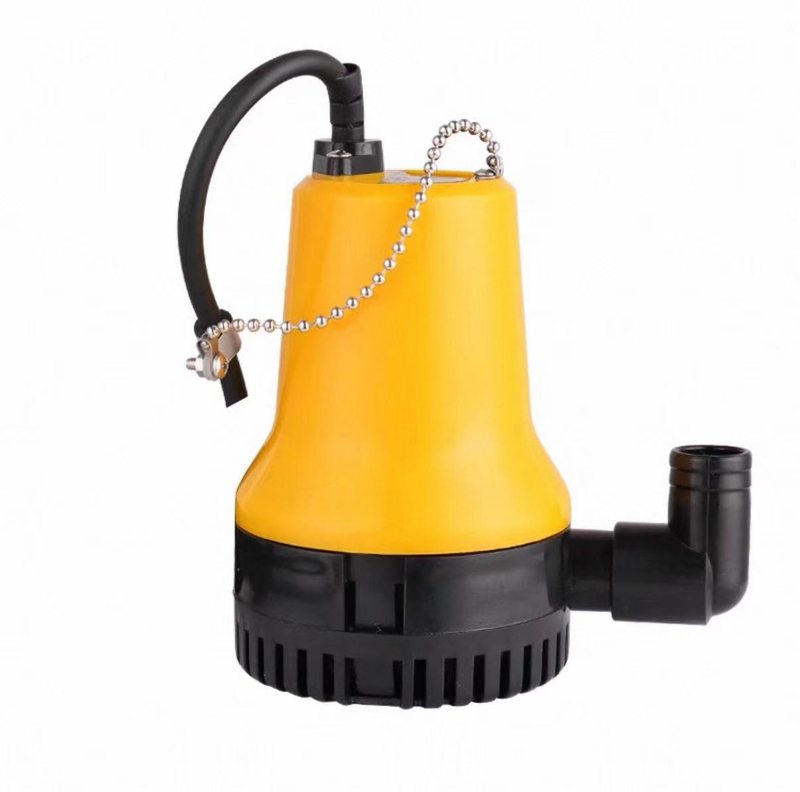
A deep well submersible pump consists of several critical components, each playing a vital role in its operation. Understanding these parts helps us appreciate how the pump functions effectively in extracting water from deep underground sources.
The hermetically sealed motor is essential for the pump's underwater operation. It ensures that the internal components remain protected from water ingress. This sealing prevents moisture from damaging the motor, which could lead to electrical failures or corrosion.
● Function: It converts electrical energy into mechanical energy, allowing the pump to operate efficiently.
● Importance: Without this seal, the pump would be vulnerable to water damage, significantly reducing its lifespan.
Impellers are crucial for moving water and generating pressure within the pump. They are designed to spin rapidly, creating centrifugal force that pushes water upward.
● Role: The impellers draw water into the pump and propel it through the system.
● Multi-Stage Design: Many deep well pumps feature a multi-stage impeller design. This means they have several impellers stacked together, allowing them to lift water from greater depths. Each stage increases the pressure, making it possible to access water hundreds of feet below ground.
Diffusers work in conjunction with the impellers to convert kinetic energy into pressure. As water flows through the pump, it passes through these stationary components, which slow down the water and increase its pressure.
● How They Work: The guide vanes in the diffusers help stabilize the water flow, ensuring smooth transitions between stages. This design minimizes turbulence, leading to more efficient water movement.
The intake screen is positioned at the bottom of the pump, serving a critical purpose in protecting the pump from debris and sediment.
● Purpose: It filters out larger particles, preventing them from entering the pump and causing damage.
● Design Considerations: The screen's mesh size is crucial; it needs to be fine enough to block debris while allowing water to flow freely. Proper placement ensures optimal performance and longevity of the pump.
A check valve is another vital component of a deep well submersible pump. It maintains system pressure and prevents backflow when the pump is turned off.
● Importance: By stopping water from flowing back into the well, the check valve ensures that the system remains pressurized, making it easier to restart the pump when needed.
● Functionality: This one-way valve allows water to flow in one direction, enhancing efficiency and reliability.
Here’s a summary of the key components:
Component | Function/Importance |
Hermetically Sealed Motor | Protects against water ingress, converts energy |
Impellers | Moves water, generates pressure, multi-stage design |
Diffusers | Converts kinetic energy to pressure, stabilizes flow |
Intake Screen | Filters debris, prevents damage |
Check Valve | Maintains pressure, prevents backflow |
Each of these components works together to ensure the deep well submersible pump operates effectively. Understanding their roles gives us insight into how these pumps provide reliable water extraction solutions.
Understanding how a deep well submersible pump operates involves looking at its various stages of action. Each part plays a crucial role in ensuring water is efficiently extracted from deep underground sources.
The operation begins when the pump is activated. It typically responds to pressure changes in the storage tank. When the water level drops below a certain point, a pressure switch triggers the pump to start. This automatic activation ensures a consistent water supply, making it reliable for both residential and agricultural use.
Once activated, the pump utilizes centrifugal force to move water. As the impellers spin, they create a low-pressure area that draws water into the pump. The interaction between the rapidly moving impellers and the water molecules is crucial.
● How It Works: The impellers push water outward, converting rotational energy into kinetic energy. This process generates the force needed to lift water from significant depths.
Deep well submersible pumps often feature a multistage design. This means they have multiple impellers stacked together, each contributing to the overall pressure.
● Working Together: As water moves through each stage, it gains more pressure. The guide vanes positioned between impellers play an essential role in this process. They help convert the kinetic energy of the water into pressure, ensuring that the water can be lifted effectively.
After building sufficient pressure, the water is discharged to the surface. This discharge process involves several components working in harmony.
● Discharge Structure: The water travels through a discharge pipe, which channels it into storage tanks or directly to where it's needed. The design of this structure is critical, as it must handle high pressure while preventing leaks.
Deep well submersible pumps are designed with specific operational characteristics that enhance their performance.
One of the standout features of these pumps is their high lift capability. They can efficiently lift water from depths of over 300 feet, making them ideal for deep wells. This capability is vital for ensuring a reliable water supply in areas where groundwater is deep beneath the surface.
Stability is another key characteristic. The design of the pump allows it to operate smoothly underwater, minimizing vibrations and noise. This stability not only protects the pump itself but also ensures efficient water extraction without unnecessary energy loss.
Efficiency is paramount in the operation of submersible pumps. They are designed to minimize energy loss during water conveyance. By optimizing the interaction between impellers and water, these pumps ensure that the maximum amount of energy is converted into lifting water rather than being wasted.
Here’s a quick overview of the operational characteristics:
Characteristic | Description |
High Lift Capability | Can lift water from depths over 300 feet |
Stability | Operates smoothly underwater, reducing vibrations |
Efficiency | Minimizes energy loss during water conveyance |
These operational features make deep well submersible pumps a reliable choice for extracting water efficiently, ensuring they meet the demands of various applications.
Deep well submersible pumps offer numerous advantages over other types of pumps. Their unique design and functionality make them an excellent choice for various applications, particularly in water extraction. Let’s explore the key benefits that set these pumps apart.
One of the most significant advantages of deep well submersible pumps is their efficiency in extracting water from deep sources. Unlike surface pumps, which rely on suction, submersible pumps push water up from below. This method eliminates the need for priming and reduces energy loss, making them highly effective for deep wells.
● Energy Savings: By using centrifugal force, these pumps can lift water from great depths while consuming less energy compared to other pump types. This efficiency translates into lower electricity bills for users.
Self-priming is another notable feature of submersible pumps. Since they are submerged in water, they do not require priming before operation. This capability simplifies installation and reduces maintenance efforts.
● Convenience: Users don’t have to worry about manually filling the pump with water before starting it. This feature is especially beneficial in remote locations where access to water may be limited.
Deep well submersible pumps benefit from being submerged in water, which provides natural cooling. This cooling effect helps extend the lifespan of the motor and other components.
● Reduced Wear: The constant immersion in water minimizes overheating, leading to less wear and tear over time. Additionally, the underwater operation significantly reduces noise levels compared to above-ground pumps, making them ideal for residential areas.
Cavitation is a phenomenon that can cause severe damage to pumps, leading to costly repairs. Deep well submersible pumps are designed to prevent cavitation effectively.
● Importance of Prevention: By maintaining adequate pressure and utilizing multiple impellers, these pumps minimize the risk of cavitation. This capability is crucial for ensuring longevity and reliable performance, as cavitation can lead to rapid deterioration of the impellers and other components.
Here’s a summary of the advantages:
Advantage | Description |
Efficiency in Water Extraction | Reduces energy consumption and enhances performance |
Self-Priming Capabilities | Eliminates the need for manual priming |
Cooling and Noise Reduction | Extends motor life and operates quietly |
Prevention of Cavitation | Minimizes damage risk, ensuring long-term reliability |
These benefits make deep well submersible pumps a superior choice for anyone needing reliable and efficient water extraction. Their design and operational features ensure they meet the demands of various applications while providing long-lasting performance.
Maintaining a deep well submersible pump is crucial for ensuring its longevity and optimal performance. Understanding common issues and implementing best practices for maintenance can help users avoid costly repairs and downtime.
Recognizing the signs of a malfunctioning submersible pump is essential for timely intervention. Here are some common indicators that something may be wrong:
● Reduced Water Flow: A noticeable decrease in water output can suggest blockages or wear in the impellers.
● Unusual Noises: Grinding or whining sounds may indicate issues with the motor or bearings.
● Frequent Cycling: If the pump turns on and off more often than usual, it might signal a problem with the pressure switch or tank.
When encountering issues, a few troubleshooting steps can help identify and resolve the problem:
1. Check Power Supply: Ensure the pump is receiving adequate power. Inspect circuit breakers and connections.
2. Inspect for Blockages: Remove the intake screen and check for debris or sediment that could be obstructing water flow.
3. Monitor Pressure Switch: If the pump cycles frequently, examine the pressure switch settings and the tank's pressure.
Regularly monitoring the motor's performance and the integrity of seals is vital. A failing seal can lead to water ingress, damaging the motor and causing electrical failures. Keeping an eye on these components helps prevent more significant issues down the line.
Implementing a routine maintenance schedule can greatly extend the life of your submersible pump. Here are some best practices:
● Monthly Checks: Inspect the pump for any signs of wear, such as frayed wires or corrosion on connections.
● Annual Servicing: Have a professional service the pump at least once a year. This includes checking the motor, seals, and overall functionality.
A clean pump operates more efficiently. Regularly removing debris from the intake screen and surrounding areas can prevent blockages and ensure smooth operation.
● Debris Removal: Clean the intake screen and surrounding area every few months, especially in environments with high sediment levels.
Maintenance Task | Suggested Interval |
Visual Inspection | Monthly |
Intake Screen Cleaning | Every 3 months |
Professional Servicing | Annually |
By adhering to these maintenance best practices, users can significantly reduce the risk of unexpected failures and enhance the performance of their deep well submersible pumps. Regular attention to these details ensures that the pump continues to operate efficiently for years to come.
Deep well submersible pumps are versatile devices used in various applications across multiple sectors. Their ability to efficiently extract water from significant depths makes them invaluable in residential, agricultural, industrial, and municipal settings. Let’s explore where these pumps are commonly utilized.
In residential settings, deep well submersible pumps are primarily used for home water supply. They provide a reliable source of clean water for drinking, cooking, and sanitation.
● Key Benefits: These pumps can draw water from deep underground aquifers, ensuring a consistent supply even during dry spells. Homeowners appreciate their efficiency and low maintenance requirements, making them ideal for rural areas where municipal water systems may not be available.
Agriculture is another significant area where deep well submersible pumps shine, particularly for irrigation purposes. Farmers rely on these pumps to access groundwater for crop irrigation, livestock watering, and maintaining farm operations.
● Irrigation Efficiency: By delivering water directly to the root zones, these pumps help maximize water usage and improve crop yields. They are often used in conjunction with irrigation systems, ensuring that crops receive the necessary hydration throughout the growing season.
In industrial settings, deep well submersible pumps are commonly found on construction sites and in manufacturing facilities. They are used for dewatering applications, providing crucial support in managing groundwater levels.
● Construction Sites: These pumps help remove excess water from excavation sites, allowing for safer and more efficient construction operations. Their ability to handle large volumes of water makes them essential for maintaining project timelines.
Beyond residential, agricultural, and industrial uses, deep well submersible pumps play a vital role in municipal water supply and wastewater management.
● Municipal Water Supply: Cities and towns utilize these pumps to access groundwater for public water systems, ensuring a reliable supply for residents.
● Wastewater Management: These pumps are also employed in sewage treatment plants and other wastewater facilities to move water and waste efficiently through the treatment process.
Here’s a summary of the applications:
Application Area | Examples of Use |
Residential | Home water supply, drinking, cooking |
Agricultural | Irrigation, livestock watering |
Industrial | Dewatering construction sites, manufacturing processes |
Municipal | Public water supply, wastewater management |
The versatility of deep well submersible pumps makes them a crucial component in various sectors, ensuring that water is available where and when it’s needed most. Their efficiency and reliability continue to support both everyday needs and large-scale operations.
Understanding how deep well submersible pumps work is essential for efficient water extraction. These pumps provide reliable solutions for residential, agricultural, and industrial applications. Their efficiency and versatility make them a valuable choice for anyone needing consistent water supply. If you’re considering options for water extraction, a submersible pump is worth exploring. It can meet various needs while ensuring optimal performance and longevity.
A: A submersible pump typically lasts 8 to 15 years, depending on usage and maintenance.
A: Submersible pumps can operate effectively at depths exceeding 300 feet.
A: Factors include water quality, pump size, installation depth, and maintenance frequency.
A: Yes, they are used in agriculture, industrial sites, and municipal water supply systems.
A: Considerations include groundwater sustainability, energy consumption, and potential ecosystem impact.


