
Views: 0 Author: Site Editor Publish Time: 2025-09-25 Origin: Site


Are you familiar with the unsung heroes of fluid transfer, end suction pumps? These pumps play a vital role in various industries by efficiently moving liquids. In this post, you'll learn about their key components, design, and significance in fluid transfer.
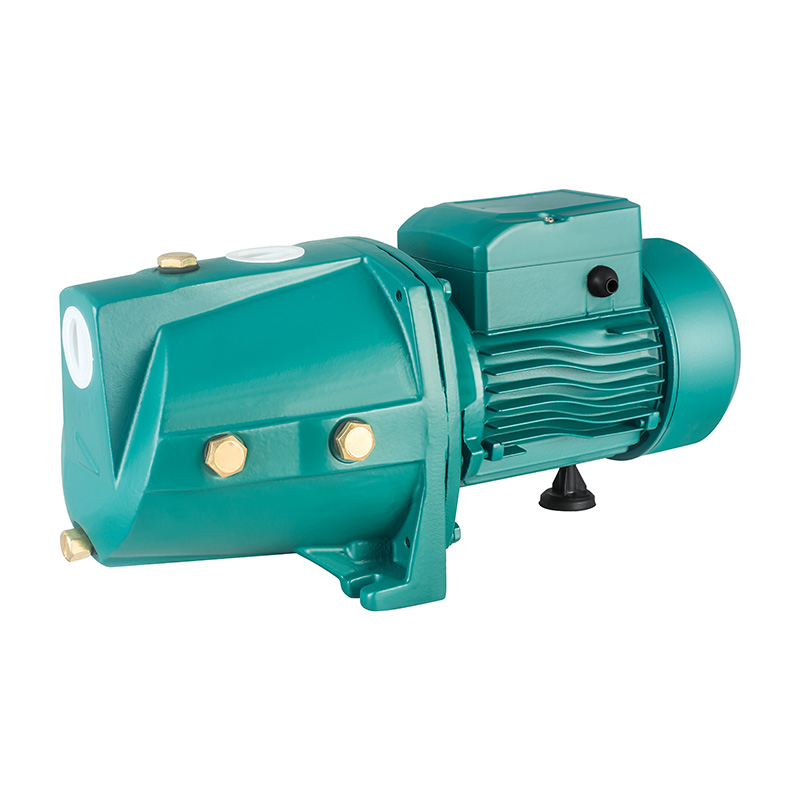
End suction pumps are a type of centrifugal pump designed to move fluids efficiently. The fluid enters the pump body through an axial inlet at one end, called the suction side. Inside, a rotating impeller powered by a motor spins, creating kinetic energy. This spinning impeller pushes the fluid outward from its center toward the pump casing, converting kinetic energy into pressure. The fluid then exits the pump at a 90-degree angle from the suction inlet via the discharge outlet.
This design allows the pump to handle high flow rates at low to medium pressures, making it practical in many industrial settings. The pump's horizontal shaft orientation and simple flow path reduce energy losses and make maintenance easier.
End suction pumps come mainly in two configurations: single-stage and multi-stage.
Single-Stage Pumps: These have one impeller and are used where moderate pressure and high flow are needed. They're common in water supply, heating, and cooling systems. Their simple design means fewer parts, lower cost, and easier maintenance.
Multi-Stage Pumps: These feature two or more impellers arranged in series. Each impeller adds pressure to the fluid, enabling the pump to generate higher pressures than single-stage models. Multi-stage pumps suit applications like boiler feed water or high-pressure cleaning systems. However, they are more complex and require more maintenance.
Choosing between single-stage and multi-stage depends on the pressure requirements of the application. For example, pumping water over long distances or to high elevations often needs multi-stage pumps.
Efficiency in end suction pumps means how well the pump converts input energy into fluid movement. Key metrics include:
Hydraulic Efficiency: Ratio of the power delivered to the fluid compared to the power supplied to the impeller.
Mechanical Efficiency: Accounts for losses due to friction in bearings and seals.
Overall Efficiency: Product of hydraulic and mechanical efficiencies.
Performance is also measured by:
Flow Rate (Q): Volume of fluid the pump moves per unit time, usually gallons per minute (GPM) or cubic meters per hour (m³/h).
Head (H): The pressure the pump can generate, expressed in feet or meters of fluid.
Net Positive Suction Head Required (NPSHr): Minimum pressure needed at the suction to avoid cavitation.
End suction pumps typically have high hydraulic efficiency due to their direct flow path. However, efficiency varies with operating conditions like flow rate and fluid properties. Proper pump selection and regular maintenance optimize performance and energy use.
Tip: Regularly monitor NPSH values to prevent cavitation, which can damage end suction pumps and reduce efficiency.
End suction pumps stand out for their affordability and ease of upkeep. Their simple design means fewer parts, which reduces initial costs and lowers the chance of breakdowns. This simplicity also makes repairs quicker and less expensive. Many industries prefer these pumps because they offer reliable performance without heavy investment in maintenance teams or spare parts. For example, a water treatment plant can save both time and money by using end suction pumps due to their straightforward construction and minimal service needs.
Built to last, end suction pumps often feature robust materials and construction that withstand harsh conditions. They handle various fluids, including corrosive or abrasive liquids, without wearing out quickly. This durability means they keep running longer, reducing downtime and replacement costs. Moreover, these pumps typically have high hydraulic efficiency thanks to their direct flow path, which lowers energy consumption. Energy-efficient pumps help industries cut operating costs and reduce environmental impact. For instance, chemical plants benefit from these pumps by maintaining steady operations while minimizing power bills.
End suction pumps are incredibly versatile. They suit many industries, from food and beverage processing to petrochemical manufacturing. Their ability to handle different flow rates and pressures makes them adaptable to diverse tasks. Plus, manufacturers offer end suction pumps in various sizes and materials, allowing customization for specific needs. This flexibility means they can be used in both clean water systems and more demanding chemical transfer processes. For example, food processing plants use hygienic end suction pumps designed to meet strict sanitation standards, while oil refineries rely on heavy-duty models to move viscous fluids.
Tip: Choose end suction pumps made from materials compatible with your fluid to maximize pump lifespan and minimize maintenance.
End suction pumps are widely used in chemical and petrochemical plants due to their ability to handle a range of liquids, including corrosive and abrasive fluids. Their robust construction and material options allow them to transfer acids, solvents, and other chemicals safely and efficiently. These pumps often serve in processes such as feeding reactors, circulating cooling fluids, and transferring raw materials between tanks. Their single-stage design suits moderate pressure needs, while multi-stage versions handle higher pressure requirements. For example, in a petrochemical refinery, end suction pumps move crude oil derivatives through various processing stages, ensuring steady flow and preventing contamination.
In the food and beverage sector, hygiene and reliability are critical. End suction pumps designed with sanitary features meet strict industry standards for cleanliness and safety. They transport liquids like milk, juices, and syrups while minimizing contamination risks. The pumps’ smooth internal surfaces and easy-to-clean designs support compliance with food safety regulations. Additionally, their gentle handling helps preserve product quality by reducing shear and damage to delicate fluids. For instance, dairy plants use hygienic end suction pumps to move milk through pasteurization and packaging lines efficiently.
Water treatment plants rely heavily on end suction pumps for pumping raw water, feeding filtration systems, and distributing treated water. Their high efficiency and durability make them ideal for continuous operation in these demanding environments. These pumps handle clean water, sludge, and chemically treated wastewater, often under varying flow conditions. Their simple design allows easy maintenance, reducing downtime in critical water supply systems. Wastewater treatment facilities use end suction pumps to move sewage and sludge, benefiting from their ability to handle fluids containing solids without clogging.
Tip: Select end suction pumps with materials and seals compatible with your industrial fluids to ensure longevity and reduce maintenance frequency.
End suction pumps and inline pumps are both centrifugal types but differ in design and operation. End suction pumps have a horizontal shaft and an inlet on one end, drawing fluid axially. The fluid exits at a 90-degree angle to the inlet. This design offers a simple flow path, making these pumps easy to maintain and repair. They often have a larger footprint due to their horizontal layout.
Inline pumps feature an axial inlet and outlet aligned on the same axis. The shaft is vertical, and the pump body is more compact, taking up less space. This makes inline pumps ideal for tight areas. They handle higher pressures and temperatures better than end suction pumps but can be more complex to maintain. Accessing seals or internal parts often requires motor separation, adding to service time.
In summary:
| Feature | End Suction Pumps | Inline Pumps |
|---|---|---|
| Shaft Orientation | Horizontal | Vertical |
| Fluid Exit Direction | 90-degree to inlet | Along same axis as inlet |
| Footprint | Larger | Smaller |
| Maintenance | Easier, simpler | More complex |
| Pressure & Temperature | Moderate | Handles higher values |
| Common Use | General fluid transfer | Booster pumps, tight spaces |
End suction pumps come in two common mounting styles: close-coupled and base-mounted.
Close-Coupled Pumps: The impeller is directly attached to the motor shaft without a separate coupling. This reduces the pump’s size and eliminates alignment issues. Installation is simpler, requiring no base grouting or alignment. However, servicing mechanical seals means removing the motor and impeller together, which can be challenging for larger motors. These pumps suit applications with limited space and lower power requirements.
Base-Mounted Pumps: These have a separate pump shaft coupled to the motor shaft via a flexible coupling. The pump and motor are mounted on a baseplate, which must be aligned precisely during installation. This setup allows easier access to seals and bearings for maintenance without moving the motor. Base-mounted pumps handle higher power and larger sizes but require more installation effort.
Choosing between end suction and inline pumps, or between close-coupled and base-mounted designs, depends on several factors:
Space Constraints: Inline and close-coupled pumps save space. Base-mounted pumps need more room.
Pressure and Temperature: Inline pumps perform better at high pressures and temperatures.
Maintenance Access: Base-mounted pumps provide easier service access. End suction pumps generally have lower maintenance complexity.
Flow and Head Requirements: End suction pumps handle high flow at moderate pressure. Multi-stage end suction pumps increase pressure.
Budget: End suction pumps are cost-effective and widely available. Inline pumps may cost more but offer compactness and performance benefits.
Application Specifics: Consider fluid type, presence of solids, and environmental conditions.
For example, a chemical plant needing high-pressure fluid transfer in a tight space might choose an inline pump. A municipal water system requiring easy maintenance and moderate pressure may prefer a base-mounted end suction pump.
Tip: Evaluate your installation space, operating conditions, and maintenance capabilities carefully before selecting a pump type to ensure optimal performance and cost-efficiency.
Modern end suction pumps increasingly integrate advanced control systems and sensors to boost efficiency and reliability. Variable frequency drives (VFDs) adjust pump speed based on real-time demand, cutting energy use and wear. Sensors monitor parameters like flow rate, pressure, temperature, and vibration. These data feed into control units that optimize operation, predict maintenance needs, and prevent failures. For example, vibration sensors detect imbalance or bearing wear early, allowing timely repairs before costly downtime occurs. Smart controls also enable remote monitoring and automation, which is vital for large industrial plants aiming to reduce manual intervention and improve safety.
Recent design improvements focus on enhancing hydraulic efficiency and reducing maintenance. Impeller shapes have evolved to minimize turbulence and hydraulic losses, improving flow smoothness and energy conversion. Materials like stainless steel alloys and advanced composites resist corrosion and abrasion, extending pump life in harsh environments. Seal designs now often include cartridge seals or magnetic drive seals, reducing leakage and simplifying replacement. Additionally, modular designs allow easier access to components, cutting service time. Some pumps feature split casings or back pull-out designs, enabling maintenance without disturbing pipe connections, which saves operational disruption.
Innovations in end suction pump technology contribute to environmental sustainability and cost savings. Energy-efficient motors and optimized hydraulic designs lower electricity consumption, reducing carbon footprints. Reduced leakage and improved sealing protect against fluid loss, preventing environmental contamination. Longer-lasting materials and components mean fewer replacements and less waste. Smart control systems help avoid over-pumping, conserving water and other fluids. Economically, these advancements cut operating costs by lowering energy bills, minimizing downtime, and reducing maintenance expenses. For example, chemical plants adopting these technologies report significant savings and improved process stability, supporting both profitability and environmental goals.
Tip: Implement pumps with smart controls and advanced seals to enhance energy savings and reduce maintenance costs in your operations.
Keeping end suction pumps in top condition requires regular maintenance. Start by inspecting seals and bearings frequently to catch wear early. Lubricate bearings according to manufacturer guidelines to avoid friction damage. Check for leaks around the pump casing and shaft seals, as leaks can lead to efficiency loss and environmental hazards. Clean the suction strainers and filters to prevent clogging, which reduces flow and causes cavitation. Also, monitor the alignment of the pump and motor shafts, especially for base-mounted pumps, to prevent vibration and premature wear. Replace worn parts promptly to avoid costly breakdowns. A well-documented maintenance schedule helps ensure no step is missed and prolongs pump life.
Optimizing pump performance starts with selecting the right pump for your specific application, considering flow rate, pressure, and fluid type. Use variable frequency drives (VFDs) to adjust pump speed based on demand, saving energy and reducing wear. Monitor key parameters such as flow, pressure, and vibration using sensors to detect performance drops early. Maintaining proper net positive suction head (NPSH) prevents cavitation, which damages impellers and reduces efficiency. Regularly test pump curves against operational data to confirm the pump operates near its best efficiency point (BEP). Adjust impeller trimming or replace impellers if performance declines. Proper pipe design and avoiding unnecessary bends or restrictions also improve efficiency.
Common problems include cavitation, vibration, leaks, and overheating. Cavitation causes noise, vibration, and impeller damage; it often results from insufficient NPSH or clogged suction lines. To fix, increase suction pressure, clean strainers, or reduce pump speed. Excessive vibration may come from misalignment, unbalanced impellers, or worn bearings; realign shafts, balance impellers, or replace bearings as needed. Leaks usually occur at seals or joints; inspect and replace seals or tighten connections. Overheating can arise from bearing failure or insufficient lubrication; ensure proper lubrication schedules and replace damaged bearings. If flow drops unexpectedly, check for blockages or air in the system. Keeping detailed logs of issues and repairs helps identify recurring problems and improve maintenance strategies.
Tip: Establish a routine maintenance checklist and use sensor data to predict failures early, ensuring continuous, efficient operation of your end suction pumps.
End suction pumps efficiently move fluids using centrifugal force, with designs suited for various pressures and flow rates. Their versatility and durability make them ideal for industries like chemical processing and water treatment. Future advancements in smart controls and materials will enhance their efficiency and sustainability. When selecting pumps, consider space, maintenance access, and fluid type. SRMPUMP offers innovative end suction pumps that deliver reliability and cost savings, catering to diverse industrial needs with expert services and cutting-edge technology.
A: An End Suction Pump is a type of centrifugal pump where fluid enters axially and exits at a 90-degree angle, ideal for high flow and moderate pressure applications.
A: End Suction Pumps work by using a motor-driven impeller to create kinetic energy, pushing fluid outward and converting it into pressure for efficient fluid movement.
A: Choose an End Suction Pump for its cost-effectiveness, low maintenance, high durability, and versatility across various industrial applications.
A: The cost of an End Suction Pump varies based on size, material, and configuration, but they are generally affordable due to their simple design.
A: Common issues include cavitation, vibration, leaks, and overheating, often resolved through proper maintenance and troubleshooting practices.


