
Views: 0 Author: Site Editor Publish Time: 2025-12-24 Origin: Site


Have you ever wondered how deep a submersible pump can really go? Understanding this is crucial for effective water supply and sewage treatment. In this article, we'll explore the definition and functions of submersible pumps, their common applications, and why knowing their depth limits is essential for various uses.
The design and construction of submersible pumps are vital for determining their depth capabilities. These pumps are primarily made from durable materials like stainless steel and thermoplastics.
● Stainless Steel:
○ Advantages: Corrosion-resistant and durable, making it ideal for harsh environments.
○ Common Uses: Often found in sewage and industrial applications.
● Thermoplastics:
○ Advantages: Lightweight and versatile, allowing for complex shapes.
○ Common Uses: Frequently used in residential and booster pumps.
Sealing Technology is another critical aspect. Effective seals prevent water ingress into the motor and electrical components, ensuring functionality at significant depths. Mechanical seals, for instance, are commonly employed to enhance reliability, enabling pumps to withstand high water pressures.
Material | Advantages | Common Uses |
Stainless Steel | Corrosion-resistant, durable | Sewage pumps, industrial pumps |
Thermoplastics | Lightweight, versatile | Residential pumps, booster pumps |
When considering how deep a submersible pump can go, specifications such as Total Dynamic Head (TDH) and horsepower are essential.
● Total Dynamic Head (TDH):
○ Refers to the total vertical distance a pump can lift water, including elevation and friction losses.
○ A higher TDH indicates a pump's ability to push water further, crucial for deep applications.
● Horsepower:
○ Determines the pump's lifting capacity.
○ For example, a 1 HP pump effectively lifts water from depths up to 300 feet, while a 5 HP pump can handle depths exceeding 800 feet.
Understanding these specifications helps in selecting the right pump for specific needs.
Specification | Importance |
Total Dynamic Head | Indicates lifting capability |
Horsepower | Determines depth capacity |
Environmental conditions significantly impact submersible pump performance.
● Water Density and Temperature:
○ Warmer water is less dense, allowing for easier pumping but may lead to overheating issues.
● Challenges in Specific Applications:
○ Deep Wells: Increased water pressure can strain the pump's components, risking failure if not designed for such conditions.
○ Sewage Tanks: Solids present in sewage can clog or damage the pump if it's not built to handle them.
Condition | Impact on Pump Performance |
High Water Density | Increased pressure on components |
Elevated Temperature | Risk of overheating |
Solids in Sewage | Potential for clogging or damage |
Understanding these factors is essential for ensuring that submersible pumps operate effectively at the desired depths. By considering design, specifications, and environmental conditions, users can make informed decisions about which pump will best meet their needs. This knowledge not only enhances performance but also extends the lifespan of the pump in various applications.
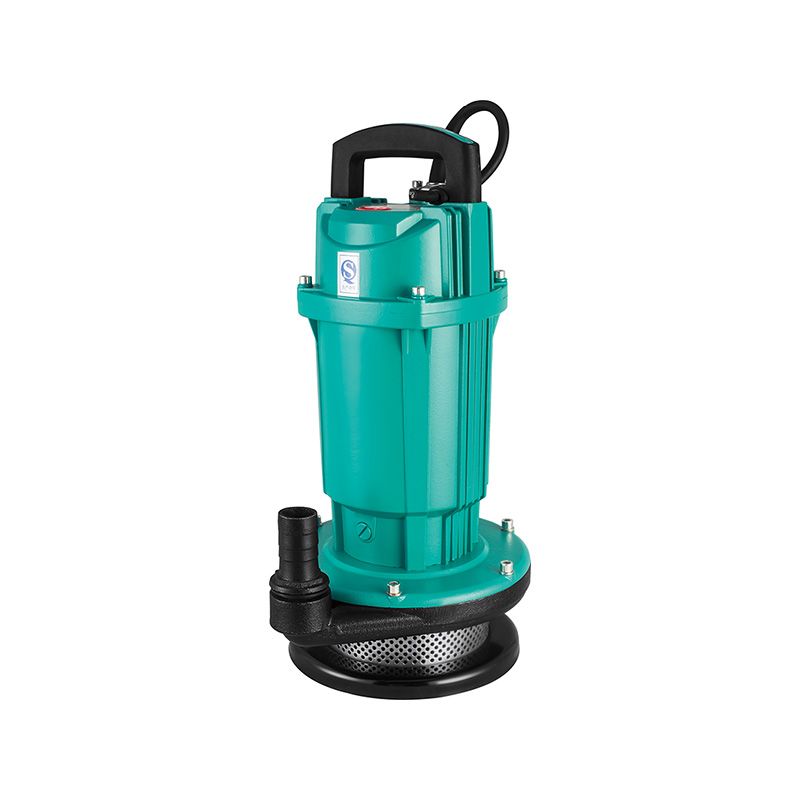
Submersible pumps come in various types, each designed for specific applications and depth capabilities. Understanding these types helps you choose the right pump for your needs.
Sump pumps are commonly used in residential settings to remove water from basements or crawl spaces. They typically operate at depths of up to 20 feet.
● Typical Uses:
○ Preventing flooding in low-lying areas.
○ Managing groundwater levels.
Utility and pool pumps are versatile options for draining water from pools, ponds, or flat surfaces. These pumps can generally handle depths of around 10 to 15 feet.
● Depth Capabilities:
○ Ideal for light-duty applications.
○ Often used for emptying pools or cleaning up spills.
Standard well pumps are designed for residential water supply, typically functioning effectively at depths of up to 300 feet.
● Typical Uses:
○ Drawing water from shallow to moderate-depth wells.
○ Providing water for household use and irrigation.
Deep well pumps are specialized for extracting water from deep aquifers, capable of reaching depths of over 800 feet.
● Capabilities:
○ Essential for agricultural irrigation.
○ Used in municipal water systems to access groundwater.
To visualize the different capabilities of submersible pumps, here’s a comparison table outlining typical depth ranges for each type:
Pump Type | Typical Depth Range | Common Applications |
Sump Pumps | Up to 20 feet | Flood prevention, basement drainage |
Utility/Pool Pumps | 10 to 15 feet | Draining pools, managing spills |
Standard Well Pumps | Up to 300 feet | Residential water supply, irrigation |
Deep Well Pumps | Over 800 feet | Agricultural irrigation, municipal systems |
This table highlights how different pumps serve various needs based on their maximum depth capabilities. By selecting the appropriate type, you can ensure effective water management for your specific situation. Each pump type is tailored to meet distinct requirements, making it essential to understand your needs before making a choice.
When it comes to submersible pumps, industry standards are crucial for ensuring safety and efficiency. Most standard pumps are designed to operate effectively at depths of up to 70 meters (approximately 230 feet).
● Overview of Industry Norms:
○ These norms are established based on extensive testing and real-world applications.
○ They provide a benchmark for manufacturers to design reliable pumps.
Several factors influence these depth standards, including:
● Sealing Technology: Effective sealing prevents water from entering the motor, which is essential for maintaining performance at depth.
● Material Strength: The materials used in pump construction must withstand high pressure and corrosive environments.
● Heat Dissipation: Pumps generate heat during operation, so efficient heat dissipation is vital for longevity.
At SRMPump, compliance with conventional depth limits is a top priority. The company adheres to stringent industry standards to ensure their pumps are reliable and efficient.
● Importance of Sealing Tests:
○ During production, SRMPump conducts thorough sealing tests to guarantee that each unit can withstand the pressures encountered at depth.
○ This commitment to quality helps prevent failures in the field.
By focusing on these essential aspects, SRMPump ensures that their products meet or exceed industry expectations, providing customers with peace of mind.
When selecting a submersible pump, checking specific manufacturer specifications is crucial. Each model has its own depth limits, tailored to different applications.
● Why Specifications Matter:
○ Understanding the specifications helps you choose the right pump for your needs.
○ It ensures that the pump can perform effectively without risking damage.
Here are a few popular submersible pumps and their depth ratings:
Pump Model | Maximum Depth | Common Uses |
SRM-1000 | 70 meters | General water supply |
SRM-2000 | 100 meters | Deep well applications |
SRM-3000 | 150 meters | Agricultural irrigation |
By familiarizing yourself with these specifications, you can make informed decisions that align with your requirements. Each pump's depth rating reflects its design and intended use, ensuring optimal performance in various conditions.
Submersible pumps play a critical role in domestic water supply systems. The depth at which these pumps operate directly influences the efficiency and reliability of residential water systems. For instance, homes relying on well water often require pumps capable of reaching depths of over 300 feet to access clean water.
● How Depth Affects Residential Systems:
○ As the depth increases, the pump must generate more pressure to lift the water to the surface.
○ Proper sizing and selection of the pump are essential to ensure adequate flow rates and minimize energy consumption.
1. Case Study: Rural Home Water Supply
a. A rural home in a mountainous area installed a submersible pump at a depth of 250 feet.
b. The system provided consistent water flow, significantly improving the household's water availability.
2. Case Study: Urban Well System
a. In an urban setting, a well system used a deep well pump to supply water to multiple residences.
b. The installation successfully delivered high-quality water, meeting the community's demands.
In agriculture, submersible pumps are essential for irrigation, especially in areas where groundwater is the primary source of water.
● Deep Well Applications for Irrigation:
○ Farmers often rely on deep well pumps to access aquifers located hundreds of feet below the surface.
○ These pumps can effectively deliver water to crops during dry seasons, ensuring healthy yields.
● High Energy Costs: Operating pumps at significant depths can lead to increased energy consumption, impacting overall operational costs.
● Potential for Pump Failure: The deeper the pump, the greater the risk of mechanical failure due to high pressure and environmental conditions.
Submersible pumps are also vital in sewage and wastewater management systems, particularly in treatment plants that handle large volumes of waste.
● Depth Considerations for Sewage Treatment Plants:
○ Pumps must be designed to operate effectively at depths where waste is collected and treated.
○ Depth impacts the design of the treatment system, influencing factors like pump selection and layout.
1. Municipal Sewage System:
a. A city implemented submersible pumps in its sewage treatment plant, allowing for efficient waste removal from deep collection pits.
b. This solution improved overall treatment efficiency and reduced overflow incidents.
2. Industrial Wastewater Treatment:
a. An industrial facility used specialized submersible pumps to handle solid-containing wastewater effectively.
b. The pumps were capable of managing varying depths, ensuring continuous operation and compliance with environmental regulations.
Beyond standard uses, submersible pumps are adapted for specialized applications, including those that handle solid-containing wastewater.
● Overview of Specialized Submersible Pumps:
○ DC Submersible Pumps: These pumps are often used in remote areas where electricity is not available. They can operate on solar power, making them ideal for agricultural and domestic use.
● Discussion on Adaptability for Various Scenarios:
○ Specialized pumps can tackle challenging environments, such as those containing solids or high levels of debris.
○ Their design often includes features like heavy-duty impellers and advanced sealing technologies to ensure reliable performance.
Application Type | Typical Depth Range | Key Features |
Domestic Water Supply | Up to 300 feet | Reliable flow, energy-efficient |
Agricultural Irrigation | Up to 800 feet | High capacity, durable construction |
Sewage Treatment | Varies significantly | Designed for solids, efficient removal |
Specialized Applications | Varies significantly | Adaptable for various waste types |
Understanding these real-world applications showcases the versatility and importance of submersible pumps in various sectors. Each application highlights the need for appropriate depth capabilities and pump specifications to ensure optimal performance.
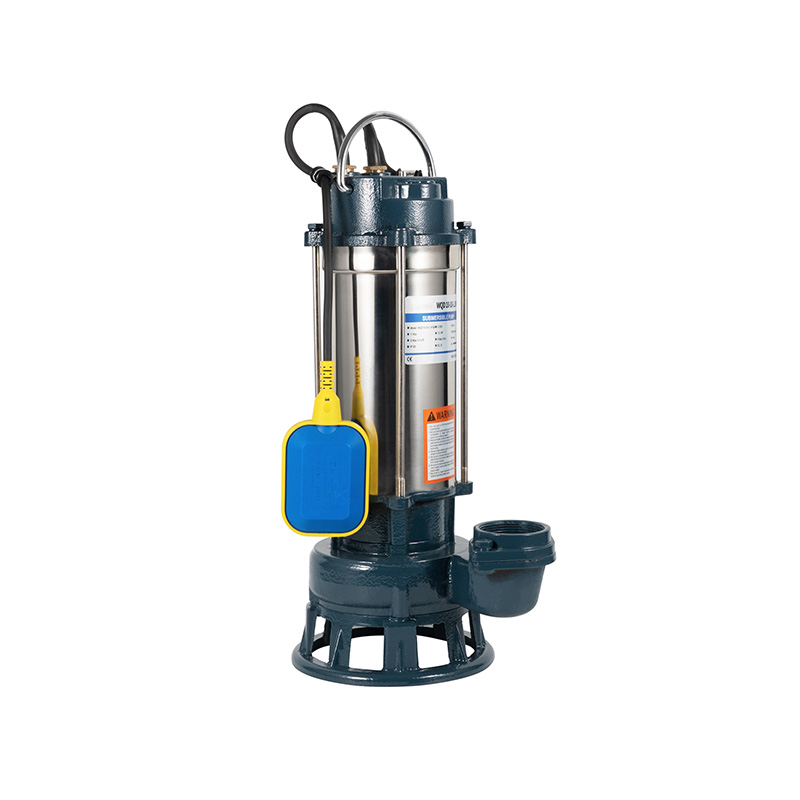
Choosing the right submersible pump starts with a clear understanding of your specific needs.
The depth at which the pump will operate is one of the most critical factors. Different pumps are designed for varying depths, and knowing how deep you need to go can narrow your options significantly. For instance, if you're looking to access water from a well that's over 300 feet, you’ll need a deep well pump, while a sump pump may suffice for shallower applications.
Flow rate is another essential consideration. It’s important to evaluate how much water you need to pump and how quickly.
● Flow Rate: Measured in gallons per minute (GPM), this metric indicates how much water the pump can move.
● Pump Specifications: Look for details like horsepower, total dynamic head (TDH), and efficiency ratings. These specifications will help ensure the pump meets your requirements.
Here’s a quick reference table to help you understand flow rates and their applications:
Flow Rate (GPM) | Typical Applications |
5-10 | Residential water supply |
10-30 | Agricultural irrigation |
30-100 | Industrial applications, sewage systems |
When it comes to selecting a submersible pump, consulting with professionals can make a significant difference.
Expert advice is invaluable, especially for deep-water applications where the stakes are higher. Professionals can provide insights into the best pump types for your specific situation, ensuring you choose a reliable and efficient model. They can also help identify potential challenges, such as pressure issues or installation difficulties.
If you have questions or need assistance, reaching out to a reputable manufacturer like SRMPump can be beneficial. Their team of experts is ready to assist with product selection, installation guidance, and troubleshooting.
● Contact Information for Inquiries and Support:
○ Website: www.srmpumps.com
○ Phone: 1-800-555-0199
○ Email: support@srmpump.com
By assessing your needs and consulting with professionals, you can confidently select the right submersible pump for your application. This approach not only ensures optimal performance but also enhances the longevity and reliability of your pumping system.
Understanding the depth limits of submersible pumps is crucial.
This knowledge ensures you choose the right pump for your needs.
Selecting the appropriate pump can enhance efficiency and reliability.
Explore various submersible pump options available in the market.
Consult experts to find tailored solutions for your specific applications.
A: The average depth for standard submersible pumps is about 70 meters (230 feet), but deep well pumps can exceed 800 feet.
A: Yes, but they must be specifically designed with corrosion-resistant materials to withstand saltwater conditions.
A: Regularly inspect for debris, check electrical connections, and perform routine cleaning and lubrication as needed.
A: Signs include unusual noises, reduced flow rate, frequent cycling, or complete failure to start.
A: Advanced sealing technology prevents water ingress, ensuring reliable operation at greater depths and protecting the motor.


