
Views: 0 Author: Site Editor Publish Time: 2025-12-31 Origin: Site


Are you curious about how much energy a submersible pump uses? Understanding wattage is crucial for efficiency and cost-effectiveness. In this article, we’ll explore what a submersible pump is, its applications, and why knowing its power consumption matters. You’ll learn how to choose the right pump for your needs.
The wattage of a submersible pump is influenced by several factors. These include the pump's size, type, and specific application. Generally, larger pumps require more power to operate effectively. For example, a submersible well pump designed for deep wells will have a higher wattage than a smaller pump used for shallow applications.
Horsepower (HP) plays a crucial role in determining wattage. One horsepower is equivalent to about 746 watts. Therefore, if a pump has a rating of 1 HP, it will consume approximately 746 watts under optimal conditions. Understanding this relationship helps in selecting the right pump for your needs.
Submersible well pumps are commonly used in residential settings. The average wattage for these pumps typically ranges from 700 to 800 watts for standard residential models. However, larger deep-well units can demand significantly more power, often between 2,000 to 5,000 watts.
Pump Type | Average Wattage |
Residential Well Pumps | 700 - 800 watts |
Larger Deep-Well Units | 2,000 - 5,000 watts |
Sump pumps are essential for managing water in basements and low-lying areas. The wattage for standard sump pumps usually falls between 600 to 1,050 watts, depending on the horsepower. For instance, a 1/3 HP sump pump may use around 600 to 800 watts, while a 1/2 HP model could reach up to 1,050 watts.
Special purpose pumps, such as the BL Blige Pump and ZQB DC Submersible Pump, are designed for specific tasks. Their wattage can vary significantly based on their intended use. For example, the BL Blige Pump is typically used for small-scale drainage and may have lower wattage requirements, while the ZQB DC Submersible Pump is often used in off-grid applications and can vary based on its input voltage.
Pump Model | Typical Wattage |
300 - 600 watts | |
400 - 800 watts |
Understanding these wattage ranges is crucial when selecting a submersible pump. It ensures that you choose a pump that fits your specific needs without overloading your electrical system. By knowing the typical wattage for different types of submersible pumps, you can make informed decisions that enhance efficiency and reduce energy costs.
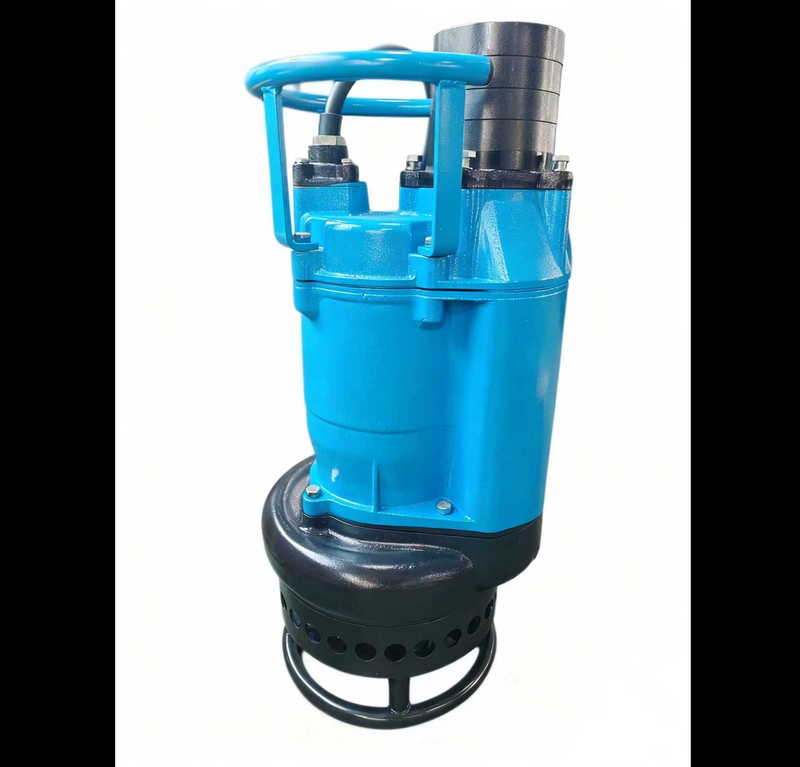
When it comes to submersible pumps, understanding starting watts is essential. Starting watts refer to the initial surge of power required to start the pump. This surge is significantly higher than the power needed during normal operation. For instance, when a pump starts, it may require two to three times its running wattage.
This means that if your submersible pump typically runs at 800 watts, it might need 1,600 to 2,400 watts to start. This surge can cause issues if your electrical system isn't equipped to handle it, leading to tripped breakers or damaged equipment.
Running watts are the amount of power a pump uses while it operates normally. This is the steady state of energy consumption. In contrast, starting watts represent the peak energy demand when the pump is first turned on. Understanding both is crucial for ensuring that your electrical system can support your pump effectively.
Power Type | Description | Typical Range |
Running Watts | Power used during normal operation | Varies by pump size |
Starting Watts | Initial surge power required to start | 2-3 times running watts |
Calculating starting watts is straightforward. You can use the formula:
Starting Watts = Running Watts × 2 or 3
This formula helps you estimate the surge power needed based on the pump's running wattage. Let’s look at a few examples based on common pump sizes:
● 1/3 HP Pump:
○ Running Watts: 600 - 800 watts
○ Starting Watts: 1,200 - 2,400 watts (using the multiplier)
● 1/2 HP Pump:
○ Running Watts: 800 - 1,050 watts
○ Starting Watts: 1,600 - 3,150 watts
● 3/4 HP Pump:
○ Running Watts: 1,000 - 1,500 watts
○ Starting Watts: 2,000 - 4,500 watts
Pump Size (HP) | Running Watts | Starting Watts (Approx.) |
1/3 HP | 600 - 800 watts | 1,200 - 2,400 watts |
1/2 HP | 800 - 1,050 watts | 1,600 - 3,150 watts |
3/4 HP | 1,000 - 1,500 watts | 2,000 - 4,500 watts |
Understanding the difference between running and starting watts is crucial for selecting the right submersible pump and ensuring your electrical system can handle the load. By calculating these values, you can avoid potential issues and ensure a smooth operation for your pump.
One of the most significant factors impacting wattage in submersible pumps is well depth. As the depth of a well increases, the pump must work harder to lift water to the surface. This means that deeper wells require more power, leading to higher wattage needs. For example, a pump operating at a depth of 50 feet will consume less energy than one operating at 150 feet.
Consider this: a submersible pump designed for a 100-foot well may require an additional 200 to 500 watts compared to a pump for a shallow well. This increase in wattage is due to the added resistance the pump faces as it lifts water from greater depths.
When selecting a submersible pump, voltage is another crucial factor. Most pumps operate on either 120V or 240V systems. The primary difference lies in how efficiently they use power. Generally, 240V pumps are more efficient for higher horsepower applications. They can deliver more power without the same level of energy loss as 120V models.
Voltage | Typical Applications | Efficiency |
120V | Residential pumps | Lower efficiency for high HP |
240V | Industrial and high HP pumps | Higher efficiency |
For high-horsepower motors, using a 240V system can significantly reduce overall energy consumption. This is critical for pumps that run continuously or need to lift water from deep wells.
The health of your pump system also plays a vital role in its wattage consumption. Leaks and failed valves can lead to increased wattage needs, as the pump has to work harder to maintain water flow. For instance, if a valve is leaking, the pump may run continuously to compensate, leading to higher energy usage.
Regular maintenance is essential to ensure optimal performance. It can help identify issues like leaks early on, preventing unnecessary wattage spikes. Simple tasks like checking seals, cleaning filters, and inspecting valves can keep your pump running efficiently.
Maintenance Task | Impact on Wattage |
Checking seals | Prevents leaks, reduces wattage |
Cleaning filters | Ensures proper flow, lowers energy use |
Inspecting valves | Identifies issues, maintains efficiency |
By understanding these key factors, you can better manage the wattage of your submersible pump. Keeping an eye on well depth, voltage, and system health ensures your pump operates efficiently and effectively.
Choosing the right wattage for your submersible pump is crucial for its efficiency and effectiveness. For residential use, it's essential to consider several factors, such as the size of your home, the depth of the well, and the specific tasks the pump will perform. Typically, a 1/3 HP pump is sufficient for most household needs, while larger homes or deeper wells may require a 1/2 HP or even a 3/4 HP pump.
When selecting a pump, it’s helpful to refer to a guideline that matches wattage to common applications. Here’s a quick overview:
Application | Recommended Pump Size | Approximate Wattage |
Small Residential | 1/3 HP | 600 - 800 watts |
Medium Residential | 1/2 HP | 800 - 1,050 watts |
Large Residential | 3/4 HP | 1,000 - 1,500 watts |
Industrial applications often demand more robust solutions. When evaluating wattage for such tasks, it’s important to consider the specific requirements of the operation. For instance, if you’re pumping large volumes of water or dealing with heavy-duty sewage, you’ll need a pump that can handle higher wattage.
In these cases, pumps with 1.5 HP or higher are common, and wattage can range from 1,500 to 3,000 watts or more, depending on the depth and volume.
Industrial Task | Recommended Pump Size | Approximate Wattage |
Heavy-Duty Sewage Handling | 1.5 HP | 1,500 - 2,500 watts |
High-Volume Water Lifting | 2 HP | 2,000 - 3,000 watts |
For heavy-duty tasks, such as handling industrial sewage or lifting large quantities of water, the wattage requirements increase significantly. A minimum wattage of 1,500 watts is often needed for effective sewage handling. This ensures that the pump can operate efficiently, even under high load conditions.
When looking for high-efficiency water lifting solutions, consider pumps designed for continuous operation. These pumps typically feature advanced motor technology, which allows them to operate at lower wattages while providing the same output. For instance, a high-efficiency 2 HP pump can deliver impressive performance while consuming around 1,800 watts.
Heavy-Duty Task | Minimum Wattage Required | Recommended Pump Size |
Industrial Sewage Handling | 1,500 watts | 1.5 HP |
High-Efficiency Water Lifting | 1,800 watts | 2 HP |
By evaluating wattage based on specific applications, you can ensure that your submersible pump meets your needs effectively. Whether for residential or industrial use, understanding these wattage requirements helps in selecting the right pump for optimal performance.
When selecting a submersible pump, understanding the power supply is crucial. Submersible pumps typically operate on either AC (Alternating Current) or DC (Direct Current) power. The wattage of the pump must match the available power source to ensure efficient operation. For instance, a pump designed for 240V may not function correctly on a 120V supply, leading to underperformance or damage.
The wattage rating of a submersible pump needs to align with the power supply available in your location. Here’s a quick guide to help you understand the compatibility:
Power Source | Typical Voltage | Common Applications | Wattage Compatibility |
AC Power | 120V | Residential pumps | Up to 1.5 HP (1,500 watts) |
AC Power | 240V | Industrial and high-capacity pumps | 1.5 HP and above (3,000 watts) |
DC Power | 12V, 24V | Solar-powered or portable pumps | Varies by model |
For example, if you have a 1/2 HP submersible pump rated at 1,050 watts, make sure your power source can accommodate that wattage.
DC-powered pumps, such as the ZQB DC Submersible Pump, are becoming increasingly popular for specific applications, especially in off-grid or solar-powered setups. These pumps require careful consideration regarding their voltage and wattage.
When using DC pumps, ensure that your power supply matches the pump’s voltage requirements. For instance, if your pump operates at 24V, using a 12V power source would not provide enough power, leading to inadequate performance. Additionally, check the amp draw, as this will affect the overall efficiency of your system.
Pump Type | Typical Voltage | Wattage Range |
ZQB DC Submersible Pump | 12V, 24V | 400 - 800 watts |
To ensure your submersible pump is compatible with your existing electrical system, follow these tips:
1. Assess Your Power Supply: Determine the voltage and wattage available in your home or facility. Check your circuit breakers for details on the maximum load.
2. Calculate Total Wattage Needs: Add up the wattage of all devices on the same circuit to ensure you don’t exceed the capacity. This will help prevent tripped breakers.
3. Consult a Professional: If you're unsure about your power supply's capabilities, consulting an electrician can provide clarity and ensure safe installation.
4. Use Appropriate Wiring: Ensure that the wiring used can handle the pump's wattage. This prevents overheating and potential electrical hazards.
By understanding these aspects of power supply compatibility, you can select the right submersible pump for your needs, ensuring it operates efficiently and safely within your existing electrical system.
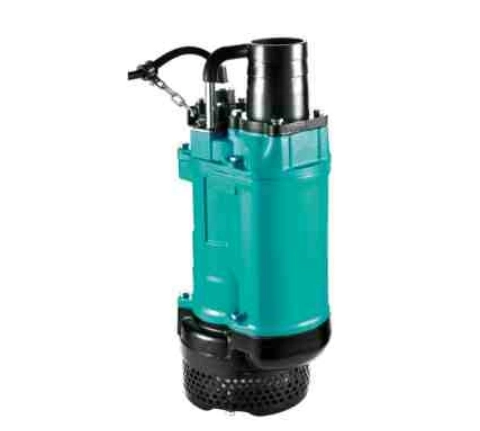
The field of submersible pump technology has seen remarkable innovations in recent years. One of the most significant advancements is the integration of smart water management platforms. These platforms utilize IoT (Internet of Things) technology, allowing users to monitor and control their pumps remotely. This not only improves efficiency but also helps in predictive maintenance, reducing downtime.
For example, smart pumps can automatically adjust their operation based on real-time data, such as water levels and flow rates. This adaptability leads to optimized performance and energy savings. Here’s a quick look at some key technological advancements:
Innovation | Description | Benefits |
Smart Water Management | IoT-enabled systems for remote monitoring | Enhanced efficiency and control |
Variable Frequency Drives | Adjusts motor speed based on demand | Energy savings and reduced wear |
Advanced Materials | Corrosion-resistant and durable materials | Increased lifespan and reliability |
Investment in research and development (R&D) is crucial for driving innovation in submersible pump technology. Companies are increasingly allocating funds to explore new materials, designs, and technologies that enhance pump efficiency. This focus on R&D has led to pumps that not only consume less energy but also operate more quietly and reliably.
For instance, recent studies indicate that modern submersible pumps can achieve efficiency rates of up to 90%, compared to older models that often fall below 70%. This leap in efficiency translates into significant cost savings for users over the pump's lifespan, making it a worthwhile investment.
The significance of patents and industry standards cannot be overstated in the realm of pump technology. Patents protect innovations, ensuring that companies can reap the benefits of their R&D investments. This encourages ongoing innovation and competition, ultimately benefiting consumers through improved products.
Moreover, participation in formulating industry standards is essential for ensuring safety and performance across the board. Organizations such as the American National Standards Institute (ANSI) and the International Organization for Standardization (ISO) play critical roles in establishing these standards. Here’s how intellectual property and standards impact the industry:
Aspect | Importance |
Patents | Protect innovations, fostering development |
Industry Standards | Ensure safety, reliability, and performance |
Collaboration | Encourages sharing of best practices and technology |
By focusing on R&D and adhering to industry standards, manufacturers of submersible pumps can create more efficient, reliable, and innovative products. This not only meets the growing demands of consumers but also contributes to sustainable water management practices.
In summary, understanding wattage is crucial when selecting a submersible pump.
Key points include the impact of well depth, voltage compatibility, and efficiency.
Choosing the right pump ensures optimal performance and energy savings.
Always assess your specific needs and consult professionals for guidance.
This approach will help you make informed decisions for your pumping requirements.
A: The average wattage varies by application, typically ranging from 600 to 3,000 watts.
A: Check the pump's specifications, considering factors like depth and flow rate.
A: Using a lower wattage pump may lead to inadequate performance and potential damage.
A: Inspect for leaks, check the electrical system, and consider professional maintenance.
A: Wattage specifications are usually listed in the user manual or on the manufacturer's website.


