
Views: 0 Author: Site Editor Publish Time: 2026-03-20 Origin: Site


Pump efficiency drops over time. Impellers wear and collect debris. Many engineers ask how to remove impeller from centrifugal pump safely. Wrong steps may damage shafts or seals. In this guide, you will learn safe removal steps and maintenance tips. Reliable pump products from Shanghai People Enterprise Group Pump Co., Ltd. support stable operation. Learn more about our products.
The impeller is the core hydraulic component of a centrifugal pump. It rotates at high speed and converts motor energy into fluid motion. During continuous operation, liquid passes through the impeller blades at significant velocity. If the fluid contains suspended particles, abrasive materials, or chemical substances, the blade surfaces may gradually erode.
Over time, erosion causes the impeller edges to become uneven or thinner. This condition reduces hydraulic efficiency and may lead to unstable flow patterns inside the pump casing. As the impeller continues to wear, vibration and energy consumption often increase. In severe cases, the pump may lose its ability to maintain required pressure or flow.
Removing the impeller allows technicians to examine blade geometry, detect corrosion damage, and determine whether repair or replacement is necessary. Early inspection prevents more serious mechanical problems and helps maintain stable pump operation.
Centrifugal pumps often transport liquids containing sediment, sludge, or other small particles. Over time, these particles may accumulate between the impeller blades or within the pump casing. Debris buildup restricts the flow path and increases turbulence.
When this occurs, the pump must consume more energy to maintain the same flow rate. Operators may notice increased vibration, unusual noise, or reduced system efficiency. Removing the impeller allows maintenance teams to clean the internal passages and restore smooth hydraulic flow.
Regular cleaning and inspection are particularly important in wastewater treatment systems, mining slurry applications, and chemical processing plants.
Mechanical seals and bearings are critical components located near the pump shaft and impeller assembly. These components maintain proper alignment and prevent leakage between the pump chamber and the external environment.
During scheduled maintenance cycles, technicians often need to replace seals or bearings. In many pump designs, accessing these parts requires removing the impeller first. For this reason, impeller removal becomes an essential step in comprehensive pump maintenance.
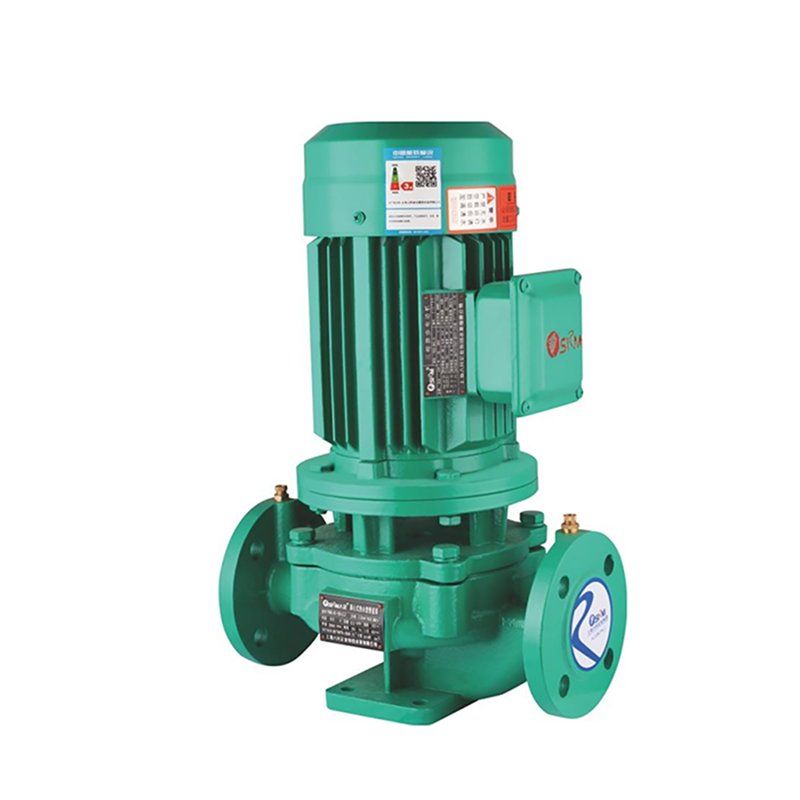
Preparing the correct tools before starting maintenance ensures safe and efficient disassembly. The following equipment is commonly used during the step by step centrifugal pump impeller removal process.
Tool | Function | Typical Application |
Socket wrench set | Loosen pump casing bolts | Pump housing removal |
J-wrench or shaft wrench | Hold pump shaft steady | Prevent shaft rotation |
Impeller puller | Extract press-fit impellers | Controlled removal |
Rubber hammer | Loosen stuck components | Gentle tapping |
Protective gloves | Improve operator safety | Personal protection |
Using proper tools reduces the risk of damaging pump components and improves maintenance efficiency.
Before beginning maintenance, technicians must shut down the pump system and disconnect electrical power. Lockout and tagout procedures prevent accidental motor startup while technicians are working on the equipment.
This safety step protects workers from serious injuries caused by rotating machinery. Maintenance guidelines emphasize verifying electrical isolation before touching any mechanical components.
After shutting down the pump, technicians should remove the drain plug and empty the liquid from the pump casing. Draining the pump reduces internal pressure and prevents fluid leakage during disassembly.
Removing the liquid also makes the pump lighter and easier to handle during maintenance procedures.
If suction or discharge piping blocks access to the pump housing, technicians may need to disconnect these lines. Removing the piping allows easier access to the pump casing and impeller assembly.
Tip: Mark pipe positions before disassembly. Clear markings simplify reinstallation and help avoid alignment errors.
The first step in the centrifugal pump impeller removal procedure is removing the pump casing or front cover. Technicians should loosen and remove all bolts securing the casing to the pump body.
After removing the bolts, carefully lift the casing away from the pump housing. This exposes the internal pump components and reveals the impeller mounted on the shaft.
Maintenance teams should store bolts and washers in labeled containers to prevent loss during disassembly.
Before attempting to loosen the impeller, the pump shaft must remain stationary. If the shaft rotates during removal, it may damage internal components or motor couplings.
Technicians typically secure the shaft using a J-wrench or adjustable wrench placed on the flat section of the shaft. Holding the shaft firmly ensures the impeller can be removed safely.
Most centrifugal pump impellers use threaded connections to attach to the shaft. To remove the impeller, technicians rotate it counter-clockwise.
Gradual rotation loosens the threads and separates the impeller from the shaft. If the impeller feels stuck, technicians should inspect for rust or debris before applying additional force.
Once the threads are loosened, the impeller can be pulled away from the shaft. In some pumps, the impeller may slide off easily. However, corrosion or mineral deposits may cause the component to stick.
If this occurs, technicians can use an impeller puller tool to apply controlled force. This tool grips the impeller hub and gradually pulls it away from the shaft without damaging surrounding components.
After removing the impeller, technicians should clean and inspect all exposed components. The impeller blades should be checked for cracks, erosion, or deformation.
The pump shaft should also be inspected for wear or thread damage. Cleaning debris and corrosion from internal surfaces helps restore pump performance and prepares the pump for reassembly.
Different centrifugal pump designs use various methods to mount the impeller onto the shaft. Understanding these designs helps technicians choose the correct removal technique.
Impeller Mount Type | Description | Removal Method |
Threaded impeller | Screwed directly onto shaft | Unscrew counter-clockwise |
Keyed impeller | Secured with key and nut | Remove nut and slide off |
Press-fit impeller | Tight interference fit | Use mechanical puller |
Threaded impellers are the most common type used in industrial pumps because they simplify maintenance.
If the impeller cannot be removed manually, technicians can use a puller tool. This device attaches behind the impeller hub and applies steady pulling force.
Controlled extraction reduces the risk of bending the shaft or breaking the impeller blades.
Corrosion may cause the impeller hub to seize onto the shaft. Applying moderate heat to the hub slightly expands the metal and releases the connection.
Technicians must apply heat carefully to avoid damaging seals or coatings.
Penetrating lubricants can dissolve rust and loosen seized threads. Applying lubricant and allowing time for penetration often simplifies impeller removal.
Note: Avoid excessive hammering during removal, as it may damage pump bearings or shaft alignment.
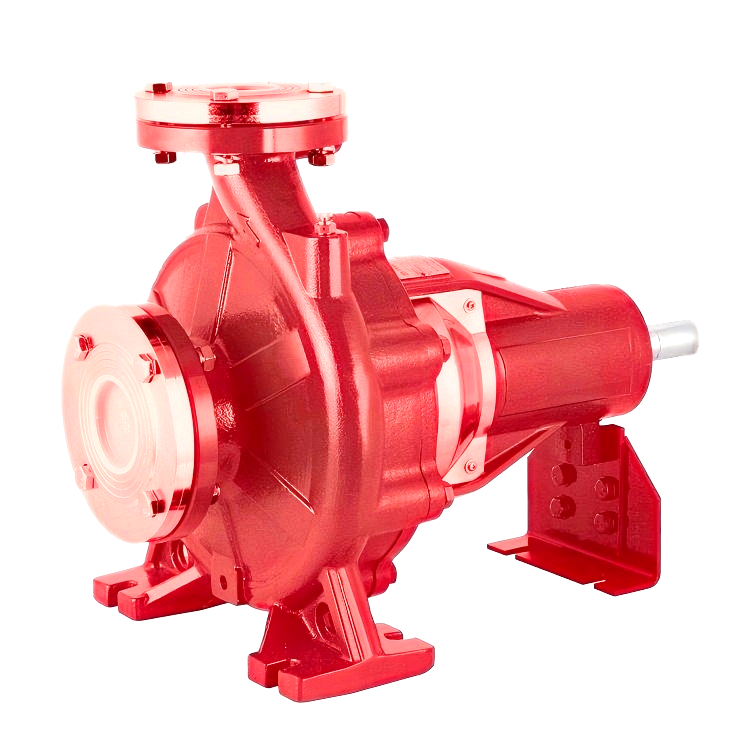
Before installing a new impeller, technicians should clean the shaft threads thoroughly. Removing debris and corrosion ensures proper alignment and smooth installation.
A thin layer of anti-seize compound protects threads from corrosion and prevents the impeller from sticking during future maintenance operations.
Proper clearance between the impeller and the pump casing is critical for hydraulic efficiency. Technicians should verify spacing before closing the pump housing.
Incorrect clearance may reduce pump performance or cause internal friction.
Routine inspections help detect wear or corrosion early. Maintenance schedules should include vibration monitoring, lubrication checks, and visual inspection of internal components.
Early detection of problems reduces repair costs and prevents unexpected equipment shutdown.
Operators should monitor system pressure, flow rate, and vibration levels. Sudden changes in these parameters may indicate internal pump issues, including impeller wear or blockage.
Prompt investigation allows technicians to correct problems before serious damage occurs.
High-quality pump components significantly improve equipment durability. Industrial centrifugal pump products developed by Shanghai People Enterprise Group Pump Co., Ltd. are designed with optimized hydraulic structures and durable materials that support stable operation in water supply, irrigation, and industrial circulation systems.
Note: Proper installation and periodic inspection greatly reduce impeller seizure and maintenance downtime.
Knowing how to remove impeller from centrifugal pump helps safe maintenance and stable pump performance. Follow correct steps to protect shafts and seals. Reliable pump products from Shanghai People Enterprise Group Pump Co., Ltd. support durable operation and efficient fluid transport.
A: Shut off power, drain the casing, open the pump cover, hold the shaft, then unscrew the impeller using proper centrifugal pump impeller removal steps.
A: Corrosion, debris buildup, or press-fit mounting can make removal hard. Using a puller tool helps during centrifugal pump impeller removal.
A: Common tools include a shaft wrench, socket set, rubber hammer, and impeller puller for a safe centrifugal pump impeller removal procedure.
A: Most technicians complete a step by step centrifugal pump impeller removal in 30–60 minutes depending on pump size and corrosion.


