
Views: 0 Author: Site Editor Publish Time: 2026-02-06 Origin: Site


Working with pumps can be confusing at first. Knowing how to operate a submersible pump makes the job safer and easier. This guide explains the key steps for proper use and helps prevent damage or downtime. Reliable models from Shanghai People Enterprise Group Pump Co., Ltd. also support stable performance—learn more about our products.
A submersible pump works while fully submerged, pushing water upward through internal pressure rather than pulling it. Its sealed motor and impeller design allow continuous underwater operation without overheating. The surrounding water keeps the motor cool and helps maintain strong efficiency even during long duty cycles. This design lets the pump perform reliably in many environments where stable water movement is required.
The motor powers the impeller, creating pressure that forces water into the discharge pipe. Because the pump pushes water from below, it avoids suction issues that often affect surface pumps. This upward-pushing action supports steady flow and reduces performance loss caused by air leaks or priming problems.
Operating underwater reduces cavitation, vibration, and noise. Constant cooling from the surrounding water improves motor lifespan and energy efficiency. These features allow the pump to run for extended periods with consistent output, making it suitable for demanding applications.
Submersible pumps are used in wells, stormwater pits, wastewater stations, basements, irrigation fields, and construction dewatering sites. They offer dependable performance in both domestic and industrial settings where continuous water removal or transfer is required.
Safe operation starts with a careful inspection. Because a submersible pump works in direct contact with water, proper electrical and mechanical checks are necessary to protect both the equipment and the user.
Examine power cables, plugs, and control boxes for cracks, exposed wiring, or signs of wear. Ensure the power source is properly grounded. Only use waterproof extension cords designed for outdoor or wet environments.
Different pumps are built for clean water, dirty water, slurry, or sewage. Using a pump in unsuitable water can cause clogging, overload the motor, or damage internal components. Matching the pump type to the environment ensures safer and more efficient operation.
Every pump has a specified maximum depth rating. Exceeding this depth increases pressure on seals and may cause water intrusion. Since seals protect the motor from moisture damage, staying within the recommended submersion limit is essential for long-term reliability.
Pump Type | Ideal Application | Water Quality |
Clean-water submersible | Wells, tanks | Clear water |
Utility pump | Drainage, basements | Light debris |
Sewage submersible | Wastewater pits | Solid particles |
Slurry pump | Industrial pits | Heavy sediment |
Note: Selecting the right pump type improves efficiency and prevents damage.
Proper preparation ensures smooth pump start-up and reduces the risk of malfunction. Taking a few minutes to check key components helps prevent interruptions during operation and extends pump life.
Sediment buildup restricts flow and can strain the motor. Rinse the intake screen to remove debris such as leaves, sand, or paper. A clean intake allows consistent water movement and reduces the chance of clogging during use.
Inspect hoses for kinks, bends, cracks, or soft spots. Ensure all clamps are tight and secure. A loose or damaged connection may cause water loss, reduced pressure, or unstable flow, especially in longer pumping sessions.
Place the pump on a flat, stable surface underwater. Avoid resting it directly on mud or loose sediment, which may block the intake. Using a raised brick or platform helps keep the pump steady and improves overall water flow.
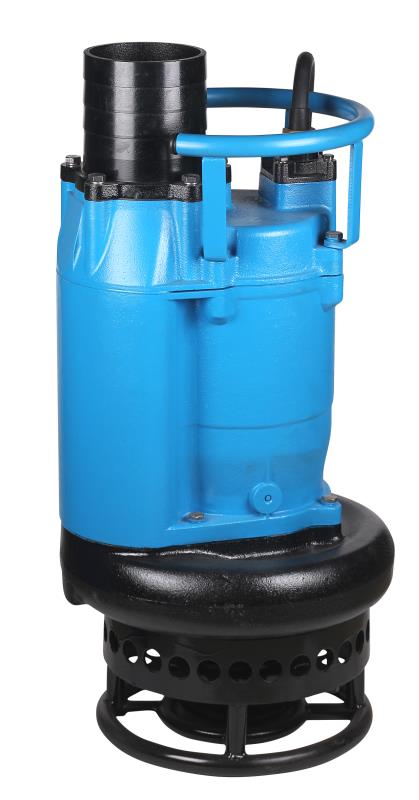
Operating the pump with clear and consistent steps reduces risk and supports reliable performance throughout the pumping process.
Lower the pump into the water using the handle or a rope. Avoid lifting or pulling the pump by the power cord. Ensure the unit remains fully submerged before activation to protect the motor from overheating.
Use a grounded power source suited for wet environments. Keep the plug area dry when connecting. Once powered, the pump will begin pushing water through the discharge hose.
After switching on, observe the discharge flow. Air pockets may cause short bursts of irregular flow at first. When the system stabilizes, flow should become smooth and steady.
Ensure the water level stays above the intake at all times. If the water drops too low, air may enter the system, reducing flow and causing the pump to overheat or cycle improperly.
After use, switch off the pump and unplug it before lifting it from the water. Allow it to drain completely and store it in a dry, ventilated location to prevent corrosion.
Consistent monitoring helps identify issues early and prevents unexpected failures during operation.
Weak discharge may indicate a blocked intake, a kinked hose, or low water levels. Rising muddy water may also deliver sediment into the pump, increasing the risk of impeller blockage.
Grinding, rattling, or clicking sounds often mean debris has reached the impeller. Immediate inspection helps prevent internal damage that could shorten pump lifespan.
Although the motor is cooled by surrounding water, overheating can occur if the pump operates in shallow water or if the water flow becomes restricted. Warm housing signals a need to pause operation and check water levels.
Many operational problems can be resolved quickly without replacing the pump when the root cause is identified correctly.
Possible causes include a blocked intake, a collapsed or disconnected hose, or insufficient water level. Begin by checking these areas, as they are the most common sources of interruption.
Thermal protection may activate due to excess heat buildup. Poor voltage supply, long duty cycles, or restricted flow can all trigger shutdown. Allow the pump to cool and inspect electrical conditions.
Weak flow may result from impeller wear, sediment accumulation, or selecting a pump with insufficient head capacity for the task. Cleaning or upgrading the pump may be necessary depending on the situation.
Issue | Likely Cause | Suggested Action |
No output | Blocked intake | Clean screen |
Weak flow | Worn impeller | Inspect or replace |
Overheating | Low water level | Increase submersion |
Shuts off | Thermal overload | Allow cooling |
Tip: Always fix the simplest possible issue first before assuming pump failure.
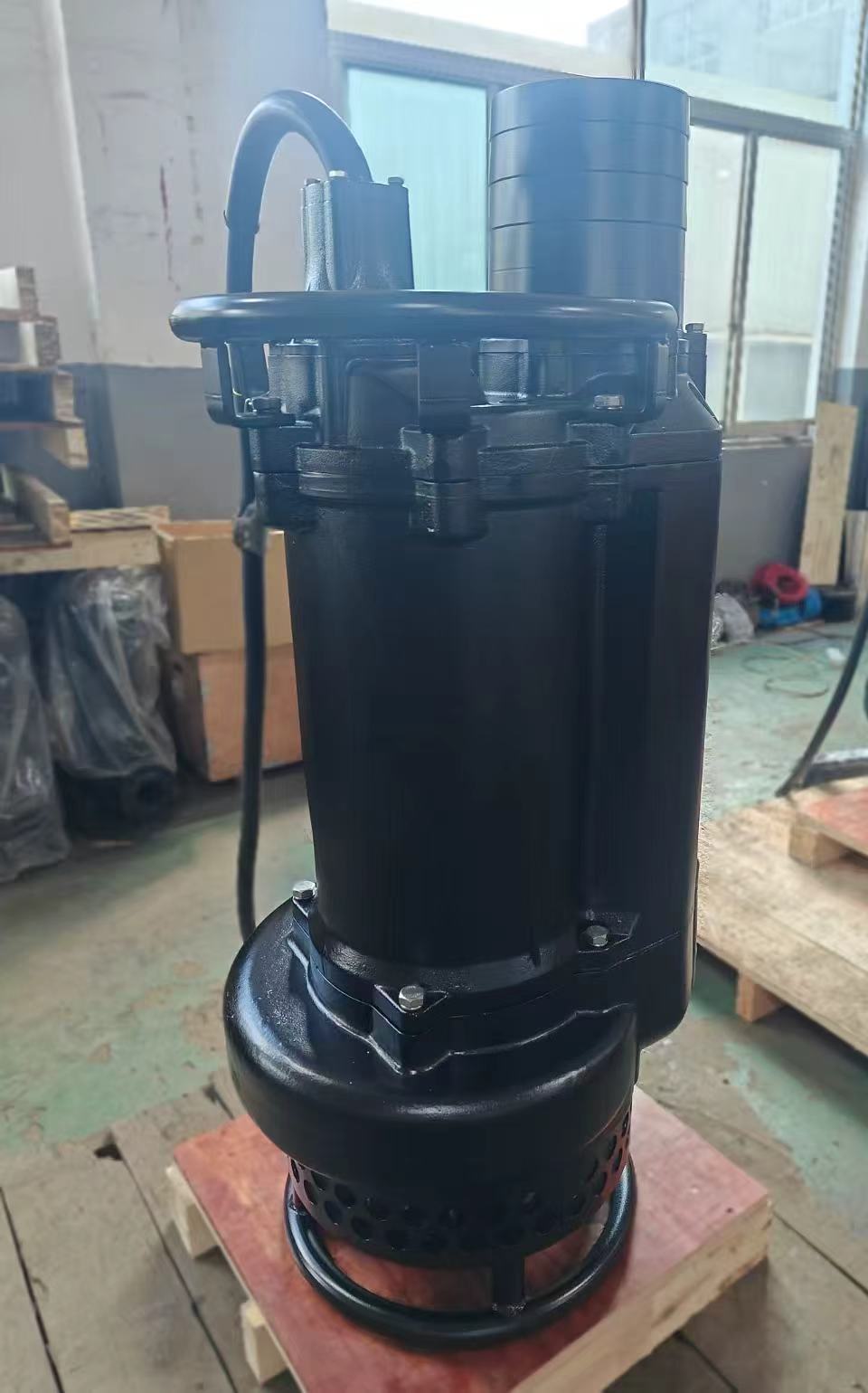
Routine maintenance extends pump lifespan and keeps performance stable. Submersible pumps operate in challenging environments, so regular care helps prevent common failures and ensures reliable daily use.
Flush sediment from the intake, housing, and impeller area. Dirt left inside can harden over time and reduce water flow. Removing buildup also helps protect moving parts from unnecessary wear.
Keep the pump in a clean, dry location when not in use. Damp storage areas encourage corrosion, which can weaken metal components and shorten service life. Proper storage also protects electrical parts.
Inspect seals, bearings, and the motor at least once a year. Worn seals may allow water to enter the motor compartment, leading to failure. According to industry recommendations, periodic inspections help avoid unexpected breakdowns and maintain safe operation.
Selecting the correct pump makes operation smoother and reduces future maintenance. Different applications require different designs, and choosing the right specifications ensures efficient performance.
Clean-water pumps, utility pumps, sewage pumps, and slurry pumps each serve specific purposes. Using the proper type prevents clogging and improves long-term reliability.
Choose a pump with suitable flow capacity and lift height. A model that meets your system’s demands will run more efficiently and avoid strain during extended use.
Materials such as stainless steel or protective coatings help resist corrosion in harsh environments. Matching the pump’s construction to the operating conditions ensures better durability and reduced maintenance over time.
Factor | What to Check | Why It Matters |
Flow rate | GPM needed | Supports demand |
Head height | Lift required | Ensures output |
Water quality | Clean or dirty | Prevents clogging |
Material | Corrosion resistance | Extends lifespan |
Note: Choosing the right specifications ensures stable and safe pump operation.
Float switches help prevent dry running by responding to changing water levels. They start or stop the pump automatically, reducing wear and maintaining consistent performance. This also helps protect the motor during long operating cycles.
A check valve stops water from flowing backward through the discharge line when the pump shuts off. This protects the impeller from sudden pressure changes and helps maintain stable flow on restart. It also reduces strain on the pump during frequent cycling.
Pre-filters are helpful in areas with heavy sediment or debris. They reduce clogging at the intake and keep large particles from reaching internal components. This improves reliability and extends the lifespan of the pump in demanding environments.
If the pump shows signs of electrical issues, such as short circuits, damaged wiring, or tripped breakers, professional assistance is essential. These problems can be hazardous and may indicate deeper faults within the system.
Retrieving a pump from a deep well can be challenging and requires proper tools and experience. Improper handling may damage the pump, drop it deeper into the well, or create safety risks, so trained technicians should manage the process.
Water entering the motor housing is a serious issue. Persistent leakage or suspected seal failure should be addressed by a professional. Seal repairs require specialized knowledge to protect the motor and restore safe pump operation.
Correct operation of a submersible pump relies on proper preparation, safe use, and steady monitoring. Good maintenance and the right pump choice improve performance and reduce risks. Durable models from Shanghai People Enterprise Group Pump Co., Ltd. offer stable output and long service life, helping users achieve safe and reliable operation in demanding environments.
A: To operate a submersible pump safely, inspect cables, position the pump correctly, and follow a step-by-step submersible pump operation guide.
A: It may have a blocked intake or low water level. These issues often appear in submersible pump troubleshooting steps.
A: Keep the intake clean and use a check valve to maintain steady flow and improve submersible pump operation efficiency.
A: Confirm water depth, hose condition, and electrical safety. These checks help you operate a submersible pump without damage.


