
Views: 0 Author: Site Editor Publish Time: 2026-02-04 Origin: Site


Low water pressure can be frustrating. Many users ask how to increase water pressure in a submersible pump. The answer often involves the whole system, not just the pump. In this article, you will learn simple ways to restore strong pressure. Reliable products from Shanghai People Enterprise Group Pump Co., Ltd. can also help—learn more about our products.
Filters, aerators, and fittings can clog with sediment, slowing water movement through the system. Pressure switches may weaken over time, responding inconsistently to demand. Pipes can narrow from mineral buildup, creating friction and restricting flow. These small mechanical issues accumulate and reduce pressure long before the water reaches the faucet.
A declining well recharge rate limits how much water the pump can draw at one time. Seasonal drops in water level force the pump to work harder with less available supply. Iron bacteria, sand, and sediment can gradually restrict the well screen, lowering inflow and causing noticeable pressure loss, especially during peak use.
System layout directly influences pressure output. Pipe diameter determines how easily water can travel through the system, while longer pipe runs increase friction loss. Elevation changes require additional pump power, and excessive elbows or fittings disrupt smooth flow. When these design elements combine, the pump may seem weak even though it is functioning properly.
Pipe Size | Flow Rate (GPM) | Friction Loss (PSI/100 ft) |
1" | 10 | 3.2 |
1.25" | 10 | 1.0 |
1" | 20 | 11.5 |
1.25" | 20 | 3.5 |
Note: Larger pipes reduce friction, especially at higher flow rates.
Sediment restricts water flow across the system, reducing both pressure and overall performance. Cleaning clogged aerators or replacing whole-house sediment filters often delivers an immediate improvement. Regular maintenance of intake screens also helps the pump draw water more efficiently.
If the pressure gauge drops while all faucets remain closed, a leak is likely present. Even a small leak—whether underground or within fittings—can reduce available pressure and force the pump to run more frequently. Identifying and repairing leaks restores stability and prevents unnecessary pump strain.
Partially closed valves, tight bends, or obstructed elbows slow water movement and reduce system pressure. Reviewing all valves after plumbing work ensures they remain fully open. Clearing internal line obstructions also helps maintain steady flow throughout the home or farm system.
Tip: Many low-pressure complaints resolve quickly once blockages, leaks, or valve issues are corrected.
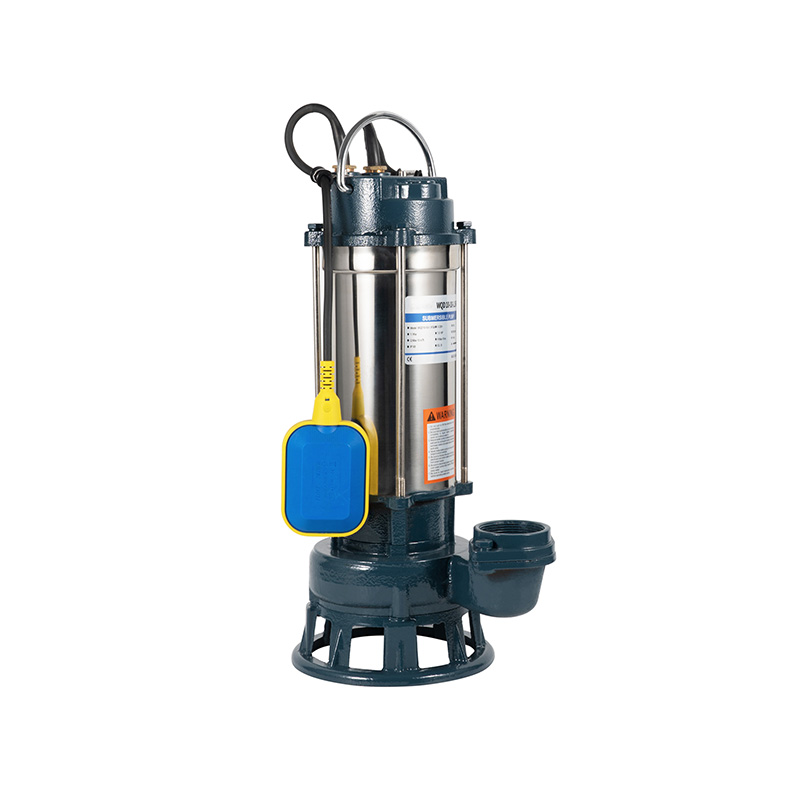
The cut-in pressure starts the pump, while the cut-out pressure stops it. Increasing both values raises the pressure you feel at the tap, but all adjustments must remain within the pump’s rated limits to avoid component damage.
Turning the large nut clockwise raises both cut-in and cut-out pressures simultaneously. Each full turn typically adds 2–3 PSI. Make changes slowly and test system response after every adjustment.
The smaller nut controls only the cut-out pressure. Increasing this differential improves the system’s usable pressure range and reduces rapid cycling, creating smoother and more consistent flow.
A 20 PSI gap between cut-in and cut-out settings is recommended for most systems. Too narrow a gap causes short cycling, while too wide a gap may delay pump activation and reduce comfort.
After adjusting the switch, drain the pressure tank completely. Set the tank’s air charge to 2 PSI below the new cut-in pressure. This ensures proper tank expansion, stable pressure delivery, and reduced cycling frequency.
Always disconnect power at the breaker before working on the pressure switch. If you are unsure about electrical safety or system wiring, consult a qualified technician to avoid injury or equipment damage.
Setting | Before | After | Function |
Cut-In | 40 PSI | 45 PSI | Starts pump at higher pressure |
Cut-Out | 60 PSI | 65 PSI | Increases maximum system PSI |
Tank Pre-Charge | 38 PSI | 43 PSI | Matches new cut-in pressure |
Note: Never exceed manufacturer pressure limits.
A waterlogged pressure tank causes rapid cycling and unstable water pressure. When the air charge inside the tank is too low, the system cannot maintain consistent flow. This increases pump wear and leads to irregular pressure throughout the home.
To reset the tank correctly, drain all water from the system and measure the internal air pressure using a tire gauge. Adjust the pre-charge until it sits 2 PSI below the cut-in pressure. This ensures the tank can expand and contract properly during each pump cycle.
If water comes out of the tank’s air valve, the internal bladder has ruptured. A failed bladder prevents the tank from holding air, making replacement the only reliable solution. Operating with a failed bladder will quickly damage the pump.
Tip: Annual inspections of tank pressure and bladder condition help prevent unexpected pressure issues and costly repairs.
Smaller pipes create more friction as water moves through them, leading to faster pressure loss. Larger-diameter pipes reduce resistance and allow higher flow rates, especially in long or high-demand systems.
Older plumbing systems often develop scale or rust that restricts internal pipe diameter. These buildups can significantly reduce water pressure and may require pipe cleaning or full replacement depending on severity.
If your system uses narrow or extended pipe runs, upgrading to wider lines can greatly reduce friction loss. This upgrade noticeably improves pressure at fixtures far from the tank or pump.
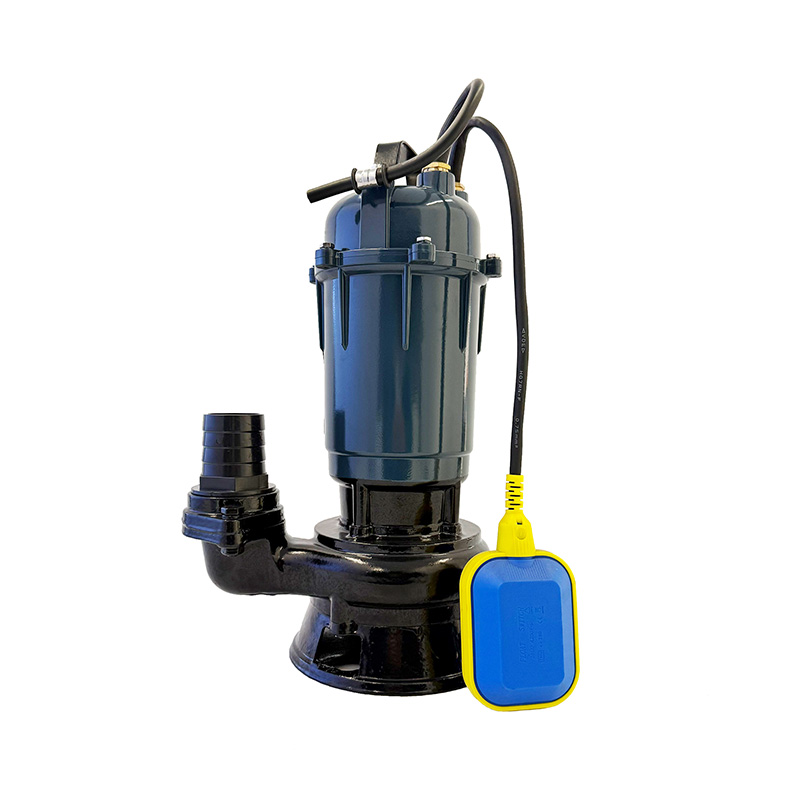
Weak water flow, irregular pressure, overheating pumps, and unusual noise are common signs of a clogged submersible pump intake. Sediment and debris limit how much water the pump can draw.
Removing a submersible pump requires proper lifting equipment and careful handling. Dropping the pump into the well or damaging the wiring can cause severe system failure, so many users rely on professionals for pump retrieval.
If your system requires more total dynamic head than the current pump can deliver, upgrading to a high-head or multi-stage submersible pump is the best solution. Manufacturers like Shanghai People Enterprise Group Pump Co., Ltd. produce durable, industrial-grade pump systems designed for strong output and long-term stability in demanding environments.
A booster pump raises pressure at specific points in the system—such as upper floors, irrigation lines, or remote outlets—without modifying the well pump. This targeted solution is ideal when pressure problems occur only in certain areas.
In a dual-stage setup, the submersible pump fills the pressure tank, and the booster pump increases downstream PSI. This combination enhances overall system performance and maintains steady pressure for homes and small farms.
Irrigation systems, tall buildings, and reverse-osmosis units often require higher pressure than what a standard well pump can provide. A booster pump ensures these applications receive consistent, adequate PSI.
Replacing the main well pump with a larger model is costly and may put extra stress on the well. A booster pump improves pressure without increasing the pump load or altering well hydraulics, making it a more efficient and economical choice in many setups.
Feature | Submersible Pump | Booster Pump |
Primary Purpose | Lift water from well | Increase system pressure |
Best Application | Deep wells, base pressure | High-demand fixtures |
Installation Cost | Higher | Lower |
Efficiency | Moderate for boosting | High for targeted boosting |
Note: Booster pumps offer immediate, efficient pressure gains.
Brushless DC motors provide stable torque and maintain efficiency under heavy load. Their consistent speed control supports high-head performance with reduced power loss. This makes them suitable for systems requiring strong and reliable pressure over long operating periods.
MPPT controllers continuously adjust electrical input to capture maximum solar energy. By improving daily energy utilization, they allow solar submersible pumps to deliver more water and maintain steadier pressure throughout varying light conditions. This is especially useful in off-grid or remote installations.
Hybrid systems switch smoothly between solar and grid power. They maintain stable water pressure during cloudy weather or peak demand periods. This reduces pressure fluctuations and ensures a consistent supply for homes, farms, and small industrial setups.
Longer run times, reduced flow, unstable pressure, or increased energy consumption often signal pump fatigue. These symptoms indicate that the pump may be undersized for current demand or nearing the end of its service life.
Low-yield wells cannot be corrected through pressure switch changes alone. They require storage tanks, improved recovery strategies, or adjusted pumping schedules to avoid over-pumping and pressure instability.
Tasks involving electrical components, pump retrieval from deep wells, or rehabilitation of well structures should be handled by trained technicians. Professional service ensures safe operation and prevents further system damage.
Improving submersible pump pressure requires checking plumbing, tank settings, and system design. Simple steps like cleaning filters or adjusting the pressure switch often restore flow. For greater pressure needs, booster pumps or high-head models work well. Reliable products from Shanghai People Enterprise Group Pump Co., Ltd. provide stable performance and long service life, helping maintain steady water pressure for homes and farms.
A: To increase water pressure in a submersible pump, adjust the pressure switch and reset tank pre-charge. This improves flow in most systems.
A: Sediment, leaks, and pipe friction often reduce pressure. These issues must be fixed before using submersible pump low water pressure troubleshooting steps.
A: A booster pump can raise pressure efficiently and is often cheaper than upgrading a deep well submersible model.
A: Inspect filters, valves, and intake screens. These simple checks help increase submersible pump water pressure quickly.


