
Views: 0 Author: Site Editor Publish Time: 2026-03-27 Origin: Site


How much pressure can a centrifugal pump produce? Many engineers ask this question when selecting equipment. Centrifugal pump pressure capacity depends on pump design, speed, and stages. In this article, we explore centrifugal pump pressure and performance. You will learn typical pressure ranges and key influencing factors. Shanghai People Enterprise Group Pump Co., Ltd. provides reliable centrifugal pump solutions. Learn more about our centrifugal pump products.
Most centrifugal pumps used in industrial or commercial systems generate low to moderate pressure levels compared with positive displacement pumps. A typical single-stage centrifugal pump often produces between 20 and 150 PSI depending on its size, rotational speed, and hydraulic design. These pumps are usually designed to move large volumes of fluid rather than to generate extremely high pressure. For that reason, they are commonly used in systems such as municipal water distribution, irrigation networks, and HVAC circulation loops.
The actual pressure output depends on how the pump converts rotational energy into fluid velocity and then into pressure within the casing. Because centrifugal pumps rely on continuous fluid flow, the pressure generated is closely tied to the system resistance and flow conditions. When resistance increases, the pump must work harder to maintain flow, which affects pressure levels.
Multistage centrifugal pumps are designed to produce higher pressures by placing several impellers in series inside the same pump casing. Each impeller increases the fluid energy and pressure before the fluid moves to the next stage. By stacking multiple stages, engineers can significantly increase the pump discharge pressure while maintaining steady flow characteristics.
These pumps are often used in boiler feed systems, reverse osmosis desalination plants, and high-rise building water supply systems. In many cases, multistage pumps can reach several hundred PSI, and specialized designs can exceed 1000 PSI when required for high-pressure industrial applications.
Pump Type | Typical Pressure Range | Common Applications |
Single-stage centrifugal pump | 20–150 PSI | Water supply, irrigation |
Multistage centrifugal pump | 150–1000+ PSI | Boiler feed, high-rise water systems |
High-speed centrifugal pump | 200–800 PSI | Industrial processing |
A centrifugal pump reaches its highest pressure when the flow rate drops to zero, a condition known as the shut-off point. At this moment, the pump continues spinning but no liquid flows through the system. Because the energy remains inside the pump casing, the pressure rises to its maximum possible value for that pump design.
However, operating a pump at shut-off for extended periods is not recommended. Without sufficient fluid flow to remove heat, internal temperatures can rise quickly, leading to seal damage or impeller wear. Engineers therefore design systems so that pumps operate near their optimal efficiency point rather than near shut-off conditions.
Different industries require different pump pressures depending on the system design and fluid properties. Water circulation systems often require moderate pressure levels, while chemical or energy systems may require higher pressure for process transport.
Industry | Typical Pressure Requirement | Example Use |
Municipal water supply | 40–100 PSI | Distribution networks |
HVAC systems | 20–60 PSI | Water circulation |
Chemical processing | 80–300 PSI | Fluid transfer |
Boiler feed systems | 300–1000 PSI | Power generation |
Centrifugal pumps are typically chosen for high-flow, moderate-pressure operations. In contrast, positive displacement pumps can generate very high pressures because they move fluid in fixed volumes regardless of system resistance. This difference explains why centrifugal pumps dominate water transfer systems, while positive displacement pumps are used for high-pressure applications such as hydraulic systems or precise dosing processes.
In pump engineering, pressure is often expressed as head rather than PSI. Head represents the height of a fluid column that the pump can raise. It measures energy per unit weight of fluid rather than force per unit area. Engineers prefer using head because it remains consistent regardless of the liquid density.
When a centrifugal pump rotates, the impeller accelerates fluid outward. This movement creates velocity energy, which is later converted into pressure head within the pump casing. The higher the head value, the greater the pressure the pump can generate.
Head can easily be converted into pressure using a standard engineering formula. The relationship between head and pressure depends on the density or specific gravity of the fluid being pumped. For water, the conversion is commonly calculated using the following formula.
Pressure (PSI) = Head (ft) ÷ 2.31
This relationship helps engineers determine the pressure output of a pump based on its performance curve. Once the head value is known, pressure calculations become straightforward for most design purposes.
Using head simplifies pump comparison and system design. Pressure values change depending on the fluid density, but head remains constant for any liquid under similar conditions. Because centrifugal pumps are used with many different fluids, head provides a universal measurement that allows engineers to evaluate pump performance more accurately.
Pump performance curves illustrate how head, flow rate, and efficiency vary during operation. These curves help engineers understand how pressure changes across different flow conditions. By analyzing the curve, engineers can identify the best operating point for maximum efficiency and stable pressure output.
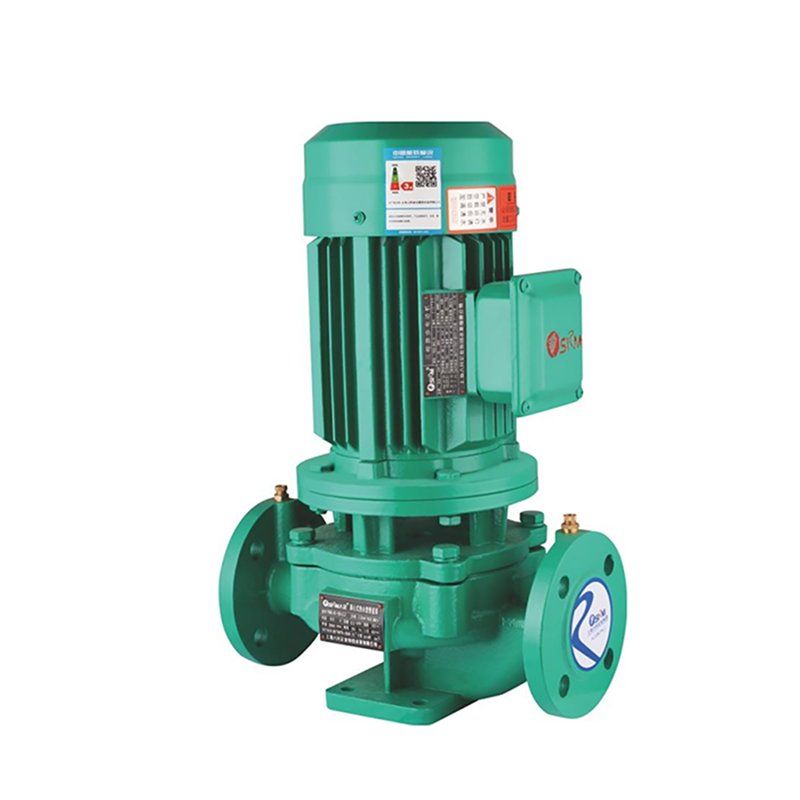
The impeller is the most important component in a centrifugal pump. Its diameter and blade shape strongly influence the pump’s ability to generate pressure. Larger impellers transfer more energy to the fluid during each rotation, which increases both velocity and pressure.
Blade design also affects efficiency. Backward-curved blades tend to generate higher pressure and operate more efficiently than forward-curved designs. Engineers carefully choose impeller geometry to balance energy transfer and mechanical reliability.
Impeller speed directly affects centrifugal pump pressure output. When rotational speed increases, the fluid receives more kinetic energy, which leads to higher discharge pressure. This relationship is often described by the pump affinity laws.
However, increasing speed also increases mechanical stress on pump components. Excessive speed may lead to vibration, bearing wear, or cavitation problems. Therefore, engineers often use variable frequency drives to control speed within safe operating limits.
Adding stages is one of the most effective ways to increase pump pressure. Each stage contains an impeller that boosts fluid energy before passing it to the next stage. As the fluid travels through multiple stages, the pressure rises step by step.
Multistage pumps are commonly used in industrial systems requiring high pressure but stable flow. These pumps are widely applied in desalination plants, boiler feed systems, and high-rise building water supply networks.
The pump casing converts fluid velocity into pressure. Two common casing designs are volute and diffuser casings. Volute casings gradually expand to reduce fluid velocity while increasing pressure, while diffuser casings use stationary vanes to achieve similar results.
Proper hydraulic design ensures that the kinetic energy generated by the impeller is efficiently converted into usable pressure. Poor casing design may lead to turbulence, energy loss, and reduced pump performance.
The piping system plays a major role in determining the actual pressure available at the pump outlet. Long pipes, narrow diameters, and numerous fittings create friction losses that reduce effective pressure. Engineers must account for these losses when designing pumping systems.
When friction losses are high, the pump must generate additional energy to maintain the desired flow rate. Proper pipe sizing and layout can reduce resistance and improve overall system efficiency.
Elevation changes affect pump performance because lifting fluid to higher locations requires additional energy. If the discharge point is significantly higher than the pump location, part of the pump’s energy will be used to overcome gravitational forces rather than producing pressure.
Designers often calculate static head to estimate the energy required for elevation changes. This ensures the selected pump can meet both pressure and elevation requirements.
Fluid density directly influences pressure calculations. Heavier fluids require more energy to move and therefore generate different pressure values compared with lighter fluids. Engineers account for fluid density by using specific gravity adjustments in pressure calculations.
Viscosity measures how resistant a fluid is to flow. Highly viscous fluids create more internal resistance within the pump and piping system. As viscosity increases, centrifugal pump efficiency typically decreases, and the pressure required to maintain flow increases.
To calculate centrifugal pump pressure, engineers often start with the head value shown in the pump performance curve. Once the head is known, it can be converted to pressure using the head-to-pressure formula. This method allows designers to estimate pump performance under different operating conditions.
Pump curves provide detailed information about pump performance. They show how head, flow rate, efficiency, and power consumption change across operating conditions. Engineers use these curves to determine whether a pump can meet the required system pressure.
In centrifugal pumps, pressure typically increases as flow decreases. When flow drops, more energy remains in the system, causing pressure to rise. Conversely, when flow increases, energy spreads across a larger volume of fluid, reducing pressure.
Shut-off head represents the maximum head a pump can generate when the flow rate reaches zero. This value indicates the upper pressure limit of the pump. Although it provides useful design information, pumps should not operate at shut-off conditions for long periods.
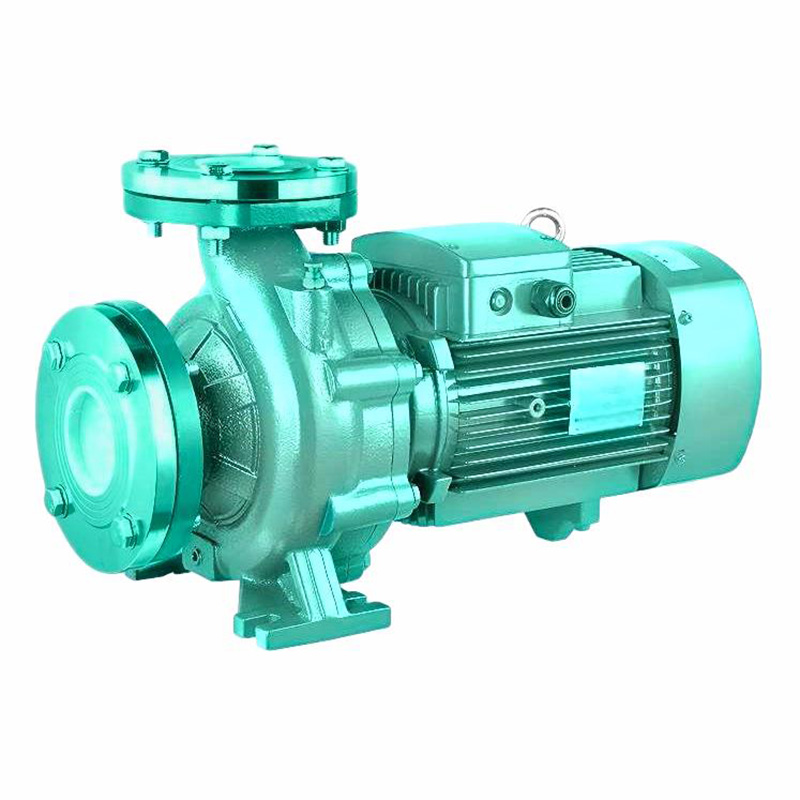
Pump Type | Pressure Capability | Typical Industry Use |
Single-stage pump | Low to moderate pressure | Water distribution |
Multistage pump | High pressure | Boiler feed systems |
Magnetic drive pump | Moderate pressure | Chemical processing |
Slurry pump | Moderate pressure | Mining and mineral processing |
Single-stage pumps contain only one impeller and are widely used in water supply and irrigation systems. They offer simple construction, easy maintenance, and reliable performance. However, their pressure capability is limited compared with multistage pumps.
Multistage pumps use several impellers to increase pressure step by step. They are commonly used when high pressure is required but large flow volumes must still be maintained. These pumps are essential in high-rise buildings and industrial boiler systems.
High-speed pumps rely on increased rotational speed to generate higher pressure. They are typically used in specialized industrial processes where compact design and high energy transfer are required.
Certain centrifugal pumps are specifically designed for high-pressure applications. These pumps may include reinforced casings, advanced impeller designs, and stronger bearings to withstand extreme operating conditions.
Municipal water systems rely on centrifugal pumps to maintain consistent pressure throughout distribution networks. Proper pressure ensures water reaches residential buildings, commercial facilities, and industrial users without interruption.
Heating and cooling systems require stable water circulation to maintain temperature control. Centrifugal pumps provide the necessary pressure to move water through pipes, heat exchangers, and cooling towers.
Chemical plants depend on reliable pump pressure to transport fluids safely between processing units. Maintaining stable pressure helps ensure consistent flow rates and prevents process disruptions.
Agricultural irrigation systems use centrifugal pumps to distribute water across large areas. Adequate pressure ensures that water reaches distant fields and irrigation equipment operates effectively.
Tip: When designing irrigation or water supply systems, engineers should always evaluate both pressure and flow requirements together rather than focusing on pressure alone.
Increasing impeller speed raises fluid velocity and therefore increases pressure. Variable frequency drives allow operators to adjust pump speed dynamically based on system demand.
Adding multiple stages is one of the most effective ways to increase pressure without increasing pump size. Each stage contributes additional energy to the fluid.
Reducing pipe friction improves effective system pressure. Proper pipe diameter, fewer bends, and shorter piping routes help minimize energy losses.
Regular maintenance helps maintain optimal pump pressure. Worn impellers, damaged seals, or clogged passages can reduce pump efficiency and pressure output.
Note: Regular inspection of impellers and bearings can significantly extend pump life and maintain stable pressure performance.
Centrifugal pumps move fluids in many industries and their pressure depends on impeller size, speed, stages, and system resistance. Most single-stage pumps reach about 147 PSI, while multistage designs can exceed 1000 PSI. Shanghai People Enterprise Group Pump Co., Ltd. offers reliable centrifugal pump products that deliver stable pressure, strong efficiency, and dependable performance for industrial systems.
A: A typical centrifugal pump pressure ranges from 20 to 150 PSI in single-stage designs, while multistage centrifugal pumps can exceed 1000 PSI depending on system requirements.
A: Centrifugal pump pressure capacity depends on impeller diameter, rotational speed, number of stages, and system resistance within the piping layout.
A: Engineers calculate centrifugal pump discharge pressure using pump head from the pump performance curve and converting head to PSI based on fluid density.
A: Centrifugal pumps focus on high flow rates rather than extreme pressure, while positive displacement pumps are designed for high-pressure applications.


