
Views: 0 Author: Site Editor Publish Time: 2026-01-21 Origin: Site


Does your submersible pump need a foot valve? The answer is crucial for your system's health. It depends on your specific setup and pump placement.
Getting this decision right protects your investment and ensures reliable operation. This guide will clarify when a foot valve for submersible pump is essential.
You will understand the mechanics and make the best choice for your water system. Learn more about reliable solutions from Shanghai People Enterprise Group Pump Co., Ltd.
A submersible pump operates while fully submerged in the fluid it’s moving. Unlike surface pumps that pull water up, submersible pumps push it to the surface. This design offers significant advantages. It prevents pump cavitation, a damaging phenomenon caused by vapor bubbles. It also allows for operation at great depths with high efficiency.
The sealed electric motor is the heart of the pump. It drives an impeller, which spins to create centrifugal force. This force pushes water through a diffuser. Here, speed energy converts into pressure energy. The pressurized water then exits through a discharge pipe toward its destination.
Every system includes the submersible pump unit itself. A power cable supplies electricity from the control box. The discharge pipe carries water upward. A crucial element is the check valve, often built into the pump or installed in the discharge line. Its job is to hold the vertical water column in place when the pump stops. A suction screen protects the pump inlet from large debris.
These pumps excel at creating pressure, not suction lift. Since the pump is submerged, water enters directly under hydrostatic pressure. There's no need to create a vacuum to start the flow. However, when the pump shuts off, the weight of the water in the discharge pipe creates a strong backward force. This is where proper valving is critical to prevent backflow and protect the system.
A foot valve is a specialized type of check valve with a built-in strainer. It is always installed at the very end of a suction pipe, submerged in the water source. Its primary foot valve function is twofold: to prevent backflow and to keep the suction line primed. It acts as a one-way gate, allowing water to flow only toward the pump.
When the pump runs, suction lifts the valve's internal disc or ball off its seat. Water flows freely into the suction line. When the pump stops, gravity and water pressure force the disc back onto its seat. This creates an instant seal. It traps water in the suction pipe, maintaining the prime for the next start cycle.
The integrated strainer is not optional. It filters out sand, silt, leaves, and other debris. This prevents clogging and protects the pump's impeller from abrasive damage. For a submersible pump with foot valve in a sandy well, this feature is indispensable for reliable operation.
Here is the essential answer: In a standard deep-well installation where the pump is submerged below the water level, a foot valve on the pump inlet is typically not required. The pump is already surrounded by water, so it cannot lose prime from the intake side. Backflow prevention is handled by a check valve on the discharge side.
However, the need for a foot valve for submersible pump changes based on system design. The determining factor is the pump's position relative to the water source.
A foot valve becomes mandatory in a suction lift configuration. This is when the pump is installed above the water level. Examples include:
● Pumping from a basement cistern.
● Drawing from a pond or tank where the pump is housed in a shed above.
● Any setup with a long horizontal suction line before a vertical rise to the pump.
In these cases, without a foot valve at the submerged intake, water will drain back out of the suction pipe every time the pump stops. The pump will lose its prime and risk dry-running damage on the next start.
Operating without a needed foot valve leads to clear symptoms. The pump will struggle to start, may run dry causing overheating, and will deliver inconsistent water pressure. Frequent manual re-priming will be necessary. This wastes energy, increases wear, and significantly shortens the pump's lifespan.
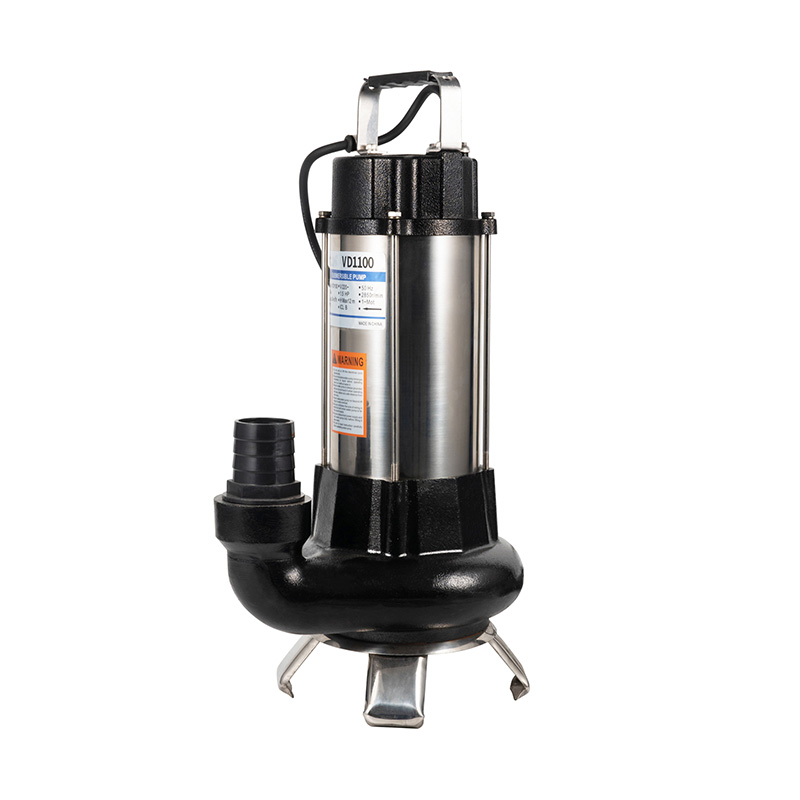
Both are check valves but serve different purposes in the system.
A foot valve is a check valve with a strainer, placed at the suction inlet (in the water). A standard check valve is installed in the discharge pipe (above ground or in the wellhead). Its job is solely to hold the vertical column of water in the discharge line after the pump stops.
● Foot Valve: Installed at the bottom of the suction pipe, submerged.
● Check Valve: Installed within 25 feet of the pump outlet on the discharge side. A single system, especially a complex suction-lift setup, may utilize both valves for complete protection.
Feature | Foot Valve | Check Valve |
Primary Location | End of suction pipe, submerged in water source | In the discharge pipe, above the pump outlet |
Core Components | Disc/Ball + Integrated Strainer | Disc/Ball |
Main Function | 1. Prevent backflow; 2. Maintain prime in suction line | Prevent backflow of the water column in the discharge pipe |
Typical Use Case | Suction-lift systems (pump above water level) | Standard deep-well installation (pump below water level) |
Correct submersible pump foot valve installation ensures reliability. Improper installation can lead to leaks, clogging, or valve failure.
Select a valve material suited to your water: brass for clean water, stainless steel for corrosive or abrasive conditions. Ensure the valve size matches your suction pipe diameter exactly. You'll need pipe wrenches, thread sealant, and possibly a union fitting for future service.
1. Disconnect all power to the pump system.
2. Prepare the end of the suction pipe with appropriate thread sealant.
3. Screw the foot valve onto the pipe. Hand-tighten, then use a wrench for a secure fit—avoid overtightening.
4. Ensure the strainer basket faces downward and is positioned off the bottom of the water source to avoid silt.
5. Carefully lower the assembly into the well or tank.
6. Connect the top of the suction pipe to the pump inlet.
7. Prime the system by filling the suction line and pump casing with water before restarting.
Regular maintenance prevents most major failures. A failing foot valve mimics other pump problems, so accurate troubleshooting is key.
● Loss of Prime: The valve may be stuck open, the seat worn, or the strainer clogged. Clean the strainer first. Persistent issues may require submersible pump foot valve replacement.
● Reduced Flow/Output: Almost always a clogged strainer. Clean it thoroughly.
● Water Hammer (Loud Bangs): Indicates a slow-closing or worn valve, allowing a reverse flow surge before sealing. Replacement is needed.
● Persistent prime loss after cleaning.
● Visible corrosion, cracks, or a damaged strainer.
● Sand continuously entering the system post-pump.
● The valve fails a simple leak test (air passes through when blown into the outlet side).
The right foot valve directly impacts your system's energy use and operational cost.
It ensures the pump starts against a full column of water, reaching its optimal operating point immediately. This eliminates the energy wasted in re-priming and reduces stressful startup current surges on the motor.
Select a foot valve with a flow rating exceeding your pump's capacity to avoid restriction. A streamlined valve design with a large strainer area minimizes friction loss. This means more pump energy goes into moving water, not overcoming valve resistance.
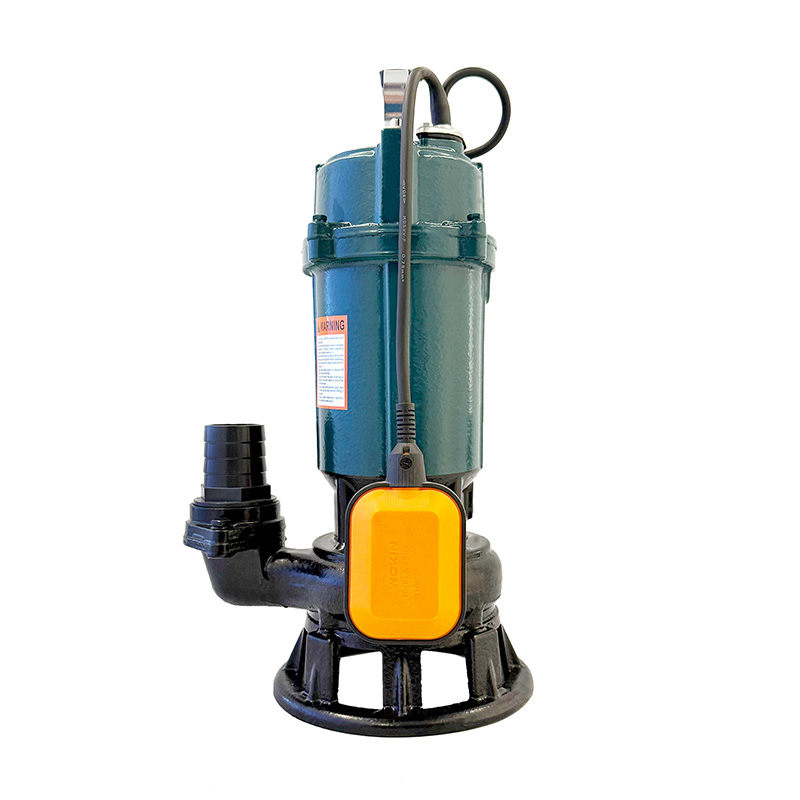
These are classic suction-lift scenarios. Pumps draw from ponds, rivers, or canals into an above-ground system. A robust, large-strainer foot valve is essential to handle debris and maintain prime for reliable irrigation cycles.
In wastewater treatment, construction dewatering, or industrial fluid transfer, reliability is paramount. Systems often use heavy-duty submersible pumps designed for harsh media. Here, the choice of a corrosion-resistant foot valve for submersible pump made from materials like stainless steel is a wise investment to prevent downtime.
Industry Application | Typical Scenario | Critical Need for Foot Valve | Recommended Valve Traits |
Agricultural Irrigation | Pumping from ponds, rivers | Must maintain prime in suction-lift configuration | Large strainer, resistant to organic debris |
Industrial Dewatering/Transfer | Construction site dewatering, industrial effluent handling | High reliability, corrosion resistance, clog prevention | Stainless steel construction, heavy-duty design |
Municipal Water Supply | Pumping from a reservoir (pump house above water level) | Ensure system start-up efficiency, protect main pump | Precise size matching, efficient low-resistance design |
View a foot valve as part of your pump protection system, not just a cheap accessory.
Choosing the correct foot valve involves evaluating several technical factors to ensure compatibility and longevity.
Selection Criteria | Explanation & Considerations |
Material | Brass: Suitable for clean water, cost-effective and durable. Stainless Steel: Best for corrosive, sandy, or mildly chemically aggressive water, offers the longest service life. Plastic/PVC: For specific chemical compatibility or budget-conscious clean water applications. |
Size | Must exactly match the inner diameter of the suction pipe. An undersized valve creates a bottleneck; an oversized valve may seal poorly and allow backflow. |
Flow Capacity | The valve's rated GPM (Gallons Per Minute) should be higher than the pump's maximum output to ensure it does not restrict system performance. |
● Consult pump manufacturer guidelines.
● Prioritize reliability and total cost of ownership over initial price.
● For demanding applications, consider the technical heritage of your equipment. Brands with deep expertise in precision fluid machinery often engineer their supporting components for optimal, integrated performance and durability.
So, does a submersible pump need a foot valve? In standard deep-well setups, it typically uses a discharge check valve instead. However, a foot valve becomes absolutely essential when the pump operates above the water level. It maintains prime and prevents damaging backflow, ensuring reliable and efficient system operation.
The correct choice depends on your specific pump layout. For a resilient and cost-effective solution, pairing the proper valve with a durable, high-efficiency pump is key. Shanghai People Enterprise Group Pump Co., Ltd. offers robust submersible pumps designed for long-term performance in demanding applications.
A: A foot valve prevents backflow and keeps the suction line primed, ensuring efficient startup for a submersible pump with foot valve.
A: You typically need a foot valve for submersible pump if the pump is installed above the water level, like in a suction-lift system from a pond.
A: No, a standard check valve lacks a strainer. The submersible pump foot valve function includes filtering debris, which is crucial for pump protection.
A: Signs include loss of prime, reduced water flow, and sand in your system, indicating it may be time for submersible pump foot valve replacement.


