
Views: 0 Author: Site Editor Publish Time: 2026-03-17 Origin: Site


Centrifugal pumps move water in many systems, but can a centrifugal pump run backwards? This problem may appear during installation or wiring errors. In this article, you will learn why a centrifugal pump running backwards reduces efficiency and performance. We also mention reliable centrifugal pump products from Shanghai People Enterprise Group Pump Co., Ltd.
A centrifugal pump can run backwards if the motor direction is reversed. This situation often occurs during new equipment installation or when electrical connections are incorrectly configured. When the motor rotates in the wrong direction, the impeller also rotates backward.
Although the pump may still spin and move some fluid, it cannot generate the same pressure and flow designed for normal operation. Most centrifugal pumps are engineered to rotate in one specific direction so that the impeller blades can push liquid outward efficiently.
If the pump runs backwards, its hydraulic performance drops sharply. In many cases, the pump may only produce a small portion of its designed capacity, resulting in extremely poor system performance. Reverse rotation may also introduce cavitation, abnormal vibration, and excessive noise in the system.
The impeller blades inside a centrifugal pump are curved in a specific direction. These blades guide the liquid from the impeller eye toward the outer edge of the casing while increasing velocity and pressure.
When the pump rotates backwards, the blade geometry no longer aligns with the designed flow path. Instead of smoothly accelerating the liquid outward, the impeller disrupts the flow and creates turbulence. This causes significant energy losses and unstable hydraulic behavior.
Manufacturers design pump impellers and casings through detailed hydraulic modeling to ensure stable operation under forward rotation. Many industrial pump designs, including centrifugal pump systems produced by Shanghai People Enterprise Group Pump Co., Ltd., use optimized impeller structures and precision manufacturing to maintain high efficiency and stable pressure output.
Many people assume that a pump running backwards will push liquid in the opposite direction. However, this usually does not happen with centrifugal pumps. The flow often continues in the same direction due to centrifugal force.
Instead of reversing the flow, the pump simply operates inefficiently. Pressure output becomes extremely low and flow rates decrease significantly. Because the pump still produces some flow, operators may not immediately detect the problem.
The most immediate effect of reverse rotation is a sharp drop in system performance. Because the impeller is not pushing the fluid efficiently, the pump cannot generate the same pressure head.
Operators may notice that the system pressure decreases and the pump struggles to maintain normal flow rates. This often results in reduced productivity in industrial systems that rely on consistent fluid circulation.
A centrifugal pump running backwards wastes a large amount of energy. The motor continues consuming electrical power, but very little of that energy is converted into useful fluid movement.
Over time, this inefficient operation increases operational costs and may overload other components in the pumping system.
Pump Condition | Flow Output | Efficiency | System Impact |
Normal rotation | 100% design flow | High efficiency | Stable operation |
Reverse rotation | 5–20% flow | Very low | System instability |
Severe reverse rotation | Minimal flow | Extremely low | Possible shutdown |
Reverse rotation also introduces mechanical risks. Some centrifugal pump designs use threaded impellers that tighten during forward rotation. When the pump spins backwards, the impeller may loosen from the shaft.
Loose components inside the casing can damage bearings, seals, and pump housings. In severe situations, the pump may fail completely if the problem is not detected quickly.
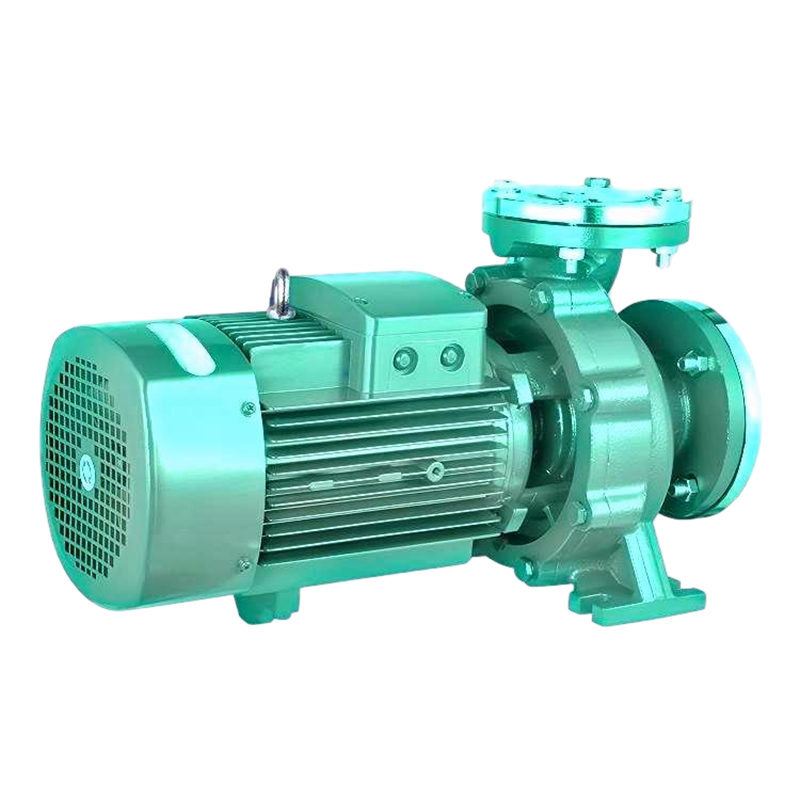
The most common cause of reverse rotation is incorrect electrical wiring. Many industrial centrifugal pumps operate with three-phase motors, and the rotation direction depends on the correct sequence of electrical phases. If the phase order is connected incorrectly during installation, the motor will rotate in the opposite direction. Because the pump shaft is directly connected to the motor, the impeller will also rotate backward, leading to centrifugal pump reverse rotation.
This wiring issue frequently occurs during new pump installation, electrical maintenance, or system upgrades. When engineers connect power cables quickly without verifying phase order, the motor may start rotating in the wrong direction. Even though the pump appears to run normally, its hydraulic performance will drop sharply. The system may still deliver a small amount of fluid, but the pump will not reach its designed flow rate or pressure level.
Incorrect wiring may also affect energy efficiency and equipment safety. Continuous operation under reverse rotation conditions can generate turbulence inside the pump casing, causing vibration and heat accumulation. Over time, this may reduce bearing life, damage seals, and increase maintenance costs. For this reason, electrical connections must always be checked carefully before operating a centrifugal pump.
Reverse rotation may also occur after maintenance or equipment replacement. When technicians replace motors, repair control panels, or install variable frequency drives, the electrical configuration of the pump system may change. If the wiring sequence is not verified after the repair, the motor may rotate in the opposite direction when the system is restarted.
Maintenance activities sometimes involve disassembling couplings, replacing motor starters, or upgrading control systems. During these procedures, technicians may reconnect wiring differently from the original configuration. Without a rotation check, the pump may begin operating with reverse rotation as soon as power is applied.
This situation is especially common in industrial plants where multiple pumps operate in parallel. Maintenance teams may focus on restoring production quickly and overlook the direction test during startup. As a result, the centrifugal pump running backwards may not be detected immediately. Only after operators observe low flow rates or unstable pressure will the issue become apparent.
Proper commissioning procedures are therefore critical after maintenance. Technicians should always verify motor rotation direction before reconnecting the pump to the pipeline system. This small step prevents hydraulic inefficiency and protects internal pump components from unnecessary stress.
Another possible cause of reverse rotation is backflow within the piping system. In some pumping systems, fluid pressure from the discharge side may push liquid backward through the pump when the motor is not running. If check valves fail or system pressure becomes unbalanced, this reverse flow may rotate the impeller in the opposite direction.
Backflow is particularly common in systems with large vertical pipelines or high static pressure. When the pump shuts down, the weight of the fluid column may create a backward force on the impeller. If no check valve is installed, or if the valve fails to close properly, the liquid can move backward through the pump casing.
This reverse movement may not damage the pump immediately, but repeated occurrences can gradually loosen internal components. In some pump designs, the impeller is threaded onto the shaft so that forward rotation keeps it tightened. Reverse movement caused by backflow may loosen the impeller and increase mechanical wear.
For this reason, many industrial pumping systems include check valves or non-return valves in the discharge pipeline. These devices prevent fluid from flowing backward and protect the pump from unintended reverse rotation during shutdown conditions.
One of the earliest and most noticeable symptoms of reverse rotation is a sudden drop in flow rate. Operators may observe that the pump motor is running normally, but the system is not receiving enough liquid. Pressure gauges may show lower values than expected, and downstream equipment may not operate correctly due to insufficient fluid supply.
This problem often appears during startup or immediately after maintenance. Because the pump is still rotating, the system may continue functioning at a reduced level, making the issue difficult to detect at first. However, production efficiency will gradually decline as the system struggles to maintain normal operating conditions.
Reduced flow may also cause secondary issues in industrial processes. For example, cooling systems may fail to circulate enough water, or chemical processing systems may not maintain the correct flow balance. Identifying this symptom early helps technicians quickly check the pump rotation direction and restore normal operation.
Reverse rotation often produces abnormal noise and vibration inside the pump. When the impeller rotates in the wrong direction, the liquid does not follow the designed flow path. Instead, turbulence forms inside the pump casing, generating unstable hydraulic forces.
These irregular forces may cause vibration in the pump housing and connected pipelines. Operators may hear unusual rattling sounds, humming noise, or fluctuating vibrations during operation. Over time, these vibrations may loosen mechanical connections and accelerate component wear.
In severe cases, the vibration may affect nearby equipment or structural supports. Bearings and couplings may experience additional stress, which can shorten their service life. When unusual vibration occurs, technicians should immediately inspect the pump rotation direction and internal components.
Mechanical seals and bearings are critical components in centrifugal pumps. They maintain shaft alignment, prevent leakage, and support smooth rotation. When a pump runs backwards, these components experience uneven hydraulic forces and improper lubrication conditions.
Because the impeller is pushing liquid inefficiently, pressure distribution inside the pump becomes unstable. This instability may cause increased friction around the shaft and seals. Over time, seals may wear out faster, allowing fluid leakage from the pump housing.
Bearings may also overheat or develop abnormal wear patterns due to vibration and misalignment. If the issue continues, the pump may require expensive repairs or complete shutdown for component replacement. Monitoring seal conditions and bearing temperatures helps operators detect reverse rotation problems early.
Symptom | Possible Cause | Recommended Action |
Low system flow | Reverse rotation | Check motor direction |
Loud vibration | Turbulent flow | Inspect impeller |
Seal leakage | Mechanical stress | Stop pump and inspect |
Most centrifugal pumps include a rotation arrow cast into the pump casing or motor housing. This arrow indicates the correct direction of shaft rotation required for proper pump operation. Before starting the motor, operators should visually verify that the pump will rotate in the direction indicated by this arrow.
This simple inspection step can prevent many installation problems. If technicians confirm the correct rotation direction before startup, the pump will immediately operate within its designed performance range. Failure to check the arrow may result in reverse rotation and reduced system efficiency.
A bump test is one of the most common methods used to confirm motor rotation direction. During this test, the motor is briefly energized and then quickly turned off. This short burst of rotation allows technicians to observe the direction of the pump shaft.
By watching the shaft movement, operators can easily determine whether the motor rotates in the correct direction. If the rotation is incorrect, the electrical wiring can be adjusted before the pump operates continuously.
Tip: Always perform the bump test before connecting the pump to the piping system.
Electricians often use phase rotation meters when installing three-phase motors. These instruments detect the sequence of electrical phases and confirm whether the motor will rotate in the correct direction. Using a phase rotation tester helps prevent wiring mistakes that could lead to centrifugal pump reverse rotation.
Phase testing is especially useful in large industrial facilities where multiple motors operate on complex electrical systems. Confirming the phase sequence ensures consistent motor performance and prevents unexpected rotation problems.
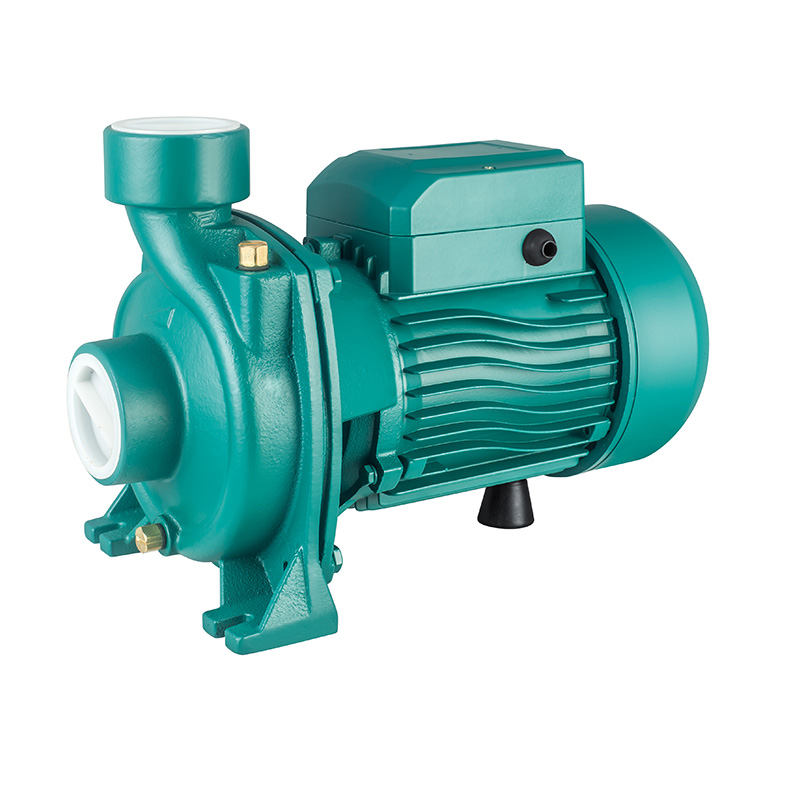
For most three-phase motors, reversing the rotation direction is simple. Technicians can switch any two of the three electrical power leads connected to the motor. This change reverses the phase sequence and corrects the motor rotation direction.
After swapping the leads, the pump should rotate in the correct direction and restore its normal hydraulic performance. This adjustment typically takes only a few minutes but can significantly improve system efficiency.
Modern pumping systems often include advanced control devices such as variable frequency drives or programmable control panels. These devices regulate motor speed and operating conditions. However, incorrect programming settings may also cause the motor to rotate in reverse.
Technicians should review control parameters and confirm that the motor rotation settings match the pump manufacturer’s recommendations. Correct configuration ensures stable pump operation and prevents accidental reverse rotation.
Installing check valves in the discharge pipeline helps prevent fluid from flowing backward through the pump. These valves automatically close when fluid attempts to move in the reverse direction. As a result, they protect the pump from reverse rotation caused by system pressure.
Check valves are particularly important in high-pressure systems or installations with large vertical pipelines. They provide a simple but effective safeguard against hydraulic backflow and help maintain proper pump operation.
Solution | Purpose | Result |
Swap motor leads | Correct rotation direction | Restore normal pump flow |
Recheck control settings | Prevent control errors | Stable operation |
Install check valves | Stop backflow | Protect pump components |
The most effective way to prevent reverse rotation is to verify the motor direction during installation. Performing a quick bump test before startup ensures that the electrical wiring is correct. This simple procedure allows technicians to identify wiring errors before the pump operates under load.
By confirming the correct rotation direction during installation, engineers can avoid unnecessary system downtime and equipment damage. Many commissioning guidelines recommend performing this verification step for every newly installed pump.
Continuous monitoring of pump performance is another important preventive strategy. Operators should regularly check flow rate, discharge pressure, vibration levels, and operating temperature. These indicators help identify potential problems early.
If any parameter suddenly changes, technicians should inspect the pump immediately. Early detection allows maintenance teams to correct issues such as reverse rotation before they cause severe mechanical damage.
Pump manufacturers provide detailed installation, operation, and maintenance guidelines. Following these recommendations ensures that the pump operates safely and efficiently throughout its service life.
Centrifugal pump products designed for industrial applications often incorporate durable materials, optimized impeller geometry, and modular structures that simplify maintenance. Systems developed by Shanghai People Enterprise Group Pump Co., Ltd. emphasize long service life, stable hydraulic performance, and reliable operation in demanding environments such as municipal water supply and industrial fluid transport.
Note: Proper installation procedures significantly reduce the risk of centrifugal pump rotation problems.
Can a centrifugal pump run backwards? Yes, but reverse rotation reduces efficiency and may damage the pump. Correct wiring and inspection prevent this issue. Reliable centrifugal pump solutions from Shanghai People Enterprise Group Pump Co., Ltd. provide stable flow, durable performance, and long-term value for industrial systems.
A: Yes. A centrifugal pump can run backwards if motor wiring is reversed, but performance drops and mechanical damage may occur.
A: A centrifugal pump running backwards produces very low flow and pressure, causing efficiency loss and possible internal damage.
A: Incorrect motor wiring, maintenance errors, or system backflow can cause centrifugal pump reverse rotation problems.
A: Check motor wiring and swap two power leads in a three-phase motor to correct the centrifugal pump rotation direction.


