
Views: 0 Author: Site Editor Publish Time: 2026-05-31 Origin: Site


Have you ever wondered how water can be efficiently drawn from deep underground wells to supply homes, commercial facilities, or industrial plants, especially in regions where municipal water pressure is insufficient or unavailable? In many such scenarios, a borehole pump plays a critical role in ensuring a consistent and reliable water supply by lifting water from deep wells to storage tanks or distribution systems, allowing households, businesses, and industrial operations to maintain uninterrupted operations, irrigation, or process water flow. Without understanding how a borehole pump functions and its appropriate applications, users may face inefficiencies, equipment failure, or inconsistent water delivery, which can lead to higher operational costs and disruption of daily activities.
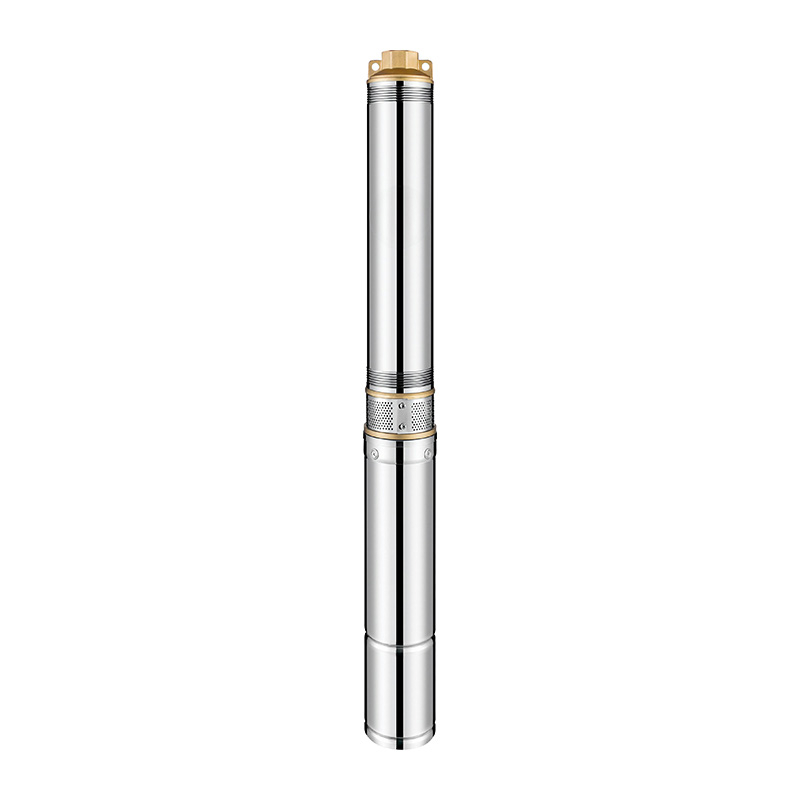
In this post, we will provide a comprehensive explanation of what a borehole pump is, detail its working principles, examine the different types available in the market, discuss key applications across residential, commercial, industrial, and municipal scenarios, and provide guidance on installation considerations and maintenance practices. Furthermore, we will explore recent innovations, energy efficiency measures, and performance optimization techniques that ensure these pumps operate effectively over long periods. By the end of this article, you will have a clear understanding of how a borehole pump works and how to select, install, and maintain one to achieve consistent water delivery across a variety of environments.
A borehole pump is a specialized mechanical device designed to extract water or other fluids from wells or boreholes, often extending from a few meters to hundreds of meters below the ground surface, and to deliver this water to the surface efficiently, while maintaining sufficient pressure and flow to meet system demands. Unlike surface-mounted pumps, which rely on suction and are limited by depth, borehole pumps are typically installed either submerged within the water column or vertically aligned inside a well casing, which allows them to lift water from considerable depths without losing efficiency or risking cavitation. The main purpose of a borehole pump is to provide a stable and reliable water supply for a wide range of applications, including domestic use, agricultural irrigation, commercial facilities, industrial processes, and municipal water distribution.
Borehole pumps are indispensable in areas where the natural water table is deep or where infrastructure limitations prevent adequate pressure from municipal sources, and they are commonly found in high-rise residential buildings, industrial plants, commercial facilities, and rural agricultural settings. Modern borehole pumps are engineered to handle various water qualities, pressures, and flow rates, often incorporating advanced features such as submersible motors, multi-stage impellers, variable-speed drives, and automated monitoring systems to enhance efficiency, durability, and performance.
The operation of a borehole pump is based on the principle of converting mechanical energy into hydraulic energy to lift water from the bottom of a well to the surface. Submersible borehole pumps, which are among the most commonly used types, operate by housing an electric motor directly within the water column, which drives one or more impellers to accelerate the water upward through a discharge pipe. The kinetic energy imparted by the impellers is converted into pressure energy as the water moves through the pump stages, enabling it to overcome the gravitational and frictional resistance of the piping system. Jet borehole pumps, in contrast, rely on suction combined with a high-velocity water jet to draw water from shallower wells, whereas vertical turbine pumps employ multiple impeller stages to lift water efficiently from very deep wells for industrial or municipal applications.
The performance of a borehole pump depends on factors such as well depth, water volume, pipe diameter, flow resistance, and system pressure requirements, as well as the pump’s design specifications. Proper installation and operation are critical to prevent issues such as cavitation, overheating, mechanical wear, or energy inefficiency. In advanced systems, borehole pumps are often integrated with variable-speed drives, automated controllers, and sensors that regulate the pump’s output according to real-time water demand, which helps maintain energy efficiency, minimize wear on mechanical components, and extend operational lifespan.
Borehole pumps are available in multiple types to meet varying depth, flow, and application requirements. Understanding the differences between these types is essential for selecting the appropriate pump for a specific well and system:
Pump Type | Description | Typical Applications | Advantages | Limitations |
Submersible Pump | Installed within the water column, motor drives impellers | High-rise buildings, deep wells, municipal supply | High efficiency, quiet, no priming required | Requires submersible motor installation and maintenance |
Jet Pump | Suction and high-velocity jet draw water | Shallow wells, small-scale irrigation | Simple design, easy to maintain | Limited depth, lower efficiency |
Vertical Turbine Pump | Multi-stage impeller for very deep wells | Industrial plants, municipal water systems | High flow and pressure, deep well capability | Complex, higher cost, larger footprint |
Single-Stage Pump | One impeller stage for moderate flow | Residential or light commercial | Cost-effective, simple maintenance | Limited depth and pressure capability |
Multi-Stage Pump | Multiple impellers for higher flow and pressure | Deep wells, industrial applications | High pressure and flow, efficient for deep wells | Complex installation, maintenance-intensive |
Borehole pumps are used across a variety of scenarios where reliable water extraction is critical. In residential settings, they supply water for homes, gardens, and private irrigation systems, especially in areas where municipal supply is unavailable or pressure is inconsistent. In commercial buildings such as hotels, schools, and offices, borehole pumps provide steady water flow for bathrooms, kitchens, and laundry facilities, ensuring uninterrupted service even during peak demand periods. Industrial applications include mining operations, chemical plants, and manufacturing facilities, where borehole pumps supply process water, cooling water, or fire suppression systems, often integrated with automated controls to maintain efficiency. Municipal water systems also rely on borehole pumps to supply towns, villages, or irrigation networks, ensuring sufficient pressure and flow for daily consumption and agricultural needs.
Application | Well Depth | Flow Rate (m³/h) | Recommended Pump Type |
Residential Homes | <50 m | 5–20 | Single-stage submersible |
High-rise Buildings | 50–150 m | 20–100 | Multi-stage submersible |
Industrial Plants | 100–300 m | 50–500 | Vertical turbine or multi-stage submersible |
Municipal Water Supply | 50–200 m | 100–1000 | Multi-stage submersible |
When installing a borehole pump, careful planning is required to ensure optimal performance and long-term reliability. The well depth, casing diameter, and water table level must be evaluated to select a pump that meets the required flow and pressure conditions. Electrical supply and motor protection are critical, including proper grounding, circuit breakers, and overload relays. Pipework must be correctly sized, aligned, and anchored to prevent vibration or cavitation. Safety considerations such as dry-run protection, secure access for maintenance, and compliance with local electrical codes are essential. Finally, proper priming and initial testing ensure that the pump operates efficiently and safely before being put into continuous service.
Routine maintenance is crucial for borehole pumps to prevent failures and extend operational life. This includes inspecting the motor, bearings, impellers, and shaft for wear or damage; cleaning strainers and filters to prevent blockages; checking electrical connections and insulation; and monitoring system performance for unusual vibration, noise, or pressure fluctuations. Scheduled preventive maintenance, especially for pumps operating continuously or in critical applications, can reduce downtime, improve efficiency, and prevent costly repairs.
Borehole pumps provide several advantages over conventional surface pumps. They are capable of efficiently extracting water from deep wells, providing reliable and continuous water supply for a variety of applications, and are adaptable for residential, commercial, industrial, and municipal use. Modern designs incorporate energy-efficient motors, variable-speed drives, and automated monitoring systems, which enhance performance while minimizing energy consumption and wear, resulting in long-lasting, dependable operation.
Borehole pumps are essential devices for efficiently extracting water from deep wells and providing reliable supply across residential, commercial, industrial, and municipal systems. Proper selection, installation, and maintenance are critical to ensure continuous operation, optimal flow, and energy efficiency, while preventing mechanical wear, cavitation, or pressure fluctuations. Whether used in high-rise buildings, industrial plants, or irrigation networks, understanding the operational principles and maintenance requirements of a borehole pump is key to achieving long-term performance and reliability. Choosing a borehole pump from a trusted manufacturer, such as Shanghai People Enterprise Group Pump Co., Ltd., ensures that the equipment is designed for durability, consistent water delivery, and optimal efficiency, making it a dependable solution for all water supply needs.
1. What is the difference between a borehole pump and a regular water pump?
A borehole pump is designed to lift water from deep wells, whereas regular pumps are typically surface-mounted and limited in suction depth.
2. How deep can a borehole pump lift water effectively?
Depending on design, borehole pumps can lift water from shallow wells up to hundreds of meters, with multi-stage and submersible pumps suitable for the deepest applications.
3. Can a borehole pump run continuously?
Yes, pumps rated for continuous duty can operate 24/7 if installed and maintained correctly, while intermittent-duty pumps should not be run nonstop.
4. How often should a borehole pump be maintained?
Maintenance is recommended every 6–12 months, including inspection of motor, bearings, impellers, filters, and electrical connections.
5. Are submersible borehole pumps more efficient than jet pumps?
Yes, submersible pumps generally offer higher efficiency, can handle greater depths, and reduce energy loss compared to jet pumps, especially in deep well applications.


