
Views: 0 Author: Site Editor Publish Time: 2026-06-01 Origin: Site


A borehole pump is a specialized type of submersible pump designed to extract water from deep wells, reservoirs, or underground aquifers. These pumps are widely used in residential, agricultural, industrial, and mining applications due to their high efficiency and ability to lift water from depths exceeding 100 meters. Understanding how a borehole pump works helps users choose the right model, install it correctly, and maintain optimal performance.
Key Takeaway:
● Borehole pumps operate by converting mechanical energy from an electric motor into kinetic energy to lift water.
● They consist of several key components including the motor, impeller, pump bowl, and shaft assembly.
● Proper installation, maintenance, and model selection are critical for longevity and efficiency.
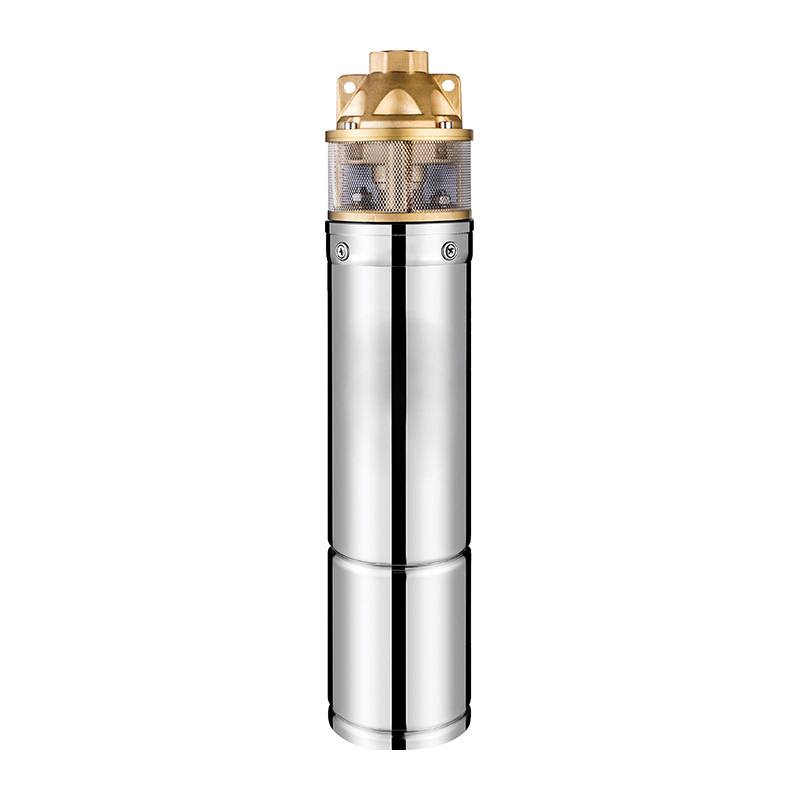
A typical borehole pump is composed of multiple components working in harmony:
1. Electric Motor: Powers the pump; can be single-phase or three-phase depending on application.
2. Pump Bowl / Suction Housing: Collects water from the borehole and directs it to the impeller.
3. Impellers: Radial or mixed-flow impellers increase water pressure and move it upward.
4. Pump Column / Shaft: Connects the motor to the pump bowl and transmits torque.
5. Bearings and Thrust Collars: Reduce friction, stabilize the rotating assembly, and handle axial loads.
6. Column Bearings and Lubrication System: Support the long pump shaft in deep installations.
7. Discharge Head / Column Outlet: Channels water to the delivery pipe and houses the column bearings and motor support.
Illustration of Borehole Pump Components:
Component | Function |
Motor | Powers the pump, drives the impellers |
Pump Column / Shaft | Transmits rotation from motor to impellers |
Impellers | Lift water and increase pressure |
Pump Bowl / Suction | Collects water from the well |
Discharge Outlet | Channels water to the delivery pipe |
The operation of a borehole pump, while based on a straightforward principle, involves precise engineering to ensure efficiency and durability in deep well conditions. When the electric motor is activated, it drives the pump shaft, which rotates the impellers located in the pump bowl; these impellers generate a low-pressure area that draws water from the surrounding borehole or well into the suction housing, and as the water passes through each stage of the impellers, its pressure increases incrementally, allowing the water to rise vertically through the pump column and ultimately exit the discharge head to supply residential systems, agricultural fields, industrial processes, or municipal facilities. Multi-stage impellers are often used for deep wells, as each stage contributes to a higher lift, and submersible designs help prevent cavitation while maintaining efficiency, and the materials used in construction, such as stainless steel or cast iron, provide durability and resistance to corrosion and abrasion.
Borehole Pump Stages vs Typical Depth and Flow
Pump Stage | Max Depth (m) | Flow Rate (m³/h) | Typical Application |
Single-Stage | 30 | 20-50 | Domestic water supply, small farms |
Two-Stage | 60 | 30-100 | Agricultural irrigation, light industry |
Multi-Stage | 100+ | 50-500 | Industrial, mining, municipal supply |
Key points to note include the fact that multi-stage impellers enable water to be lifted from extreme depths efficiently, submersible pump designs prevent cavitation and maintain operational stability even under varying water levels, and choosing corrosion-resistant materials ensures long-term durability and minimal maintenance requirements, which is particularly important in industrial or mining environments where water may contain particulates or chemicals that could accelerate wear.
Borehole pumps are highly versatile and serve a wide range of applications across different sectors. In residential settings, they provide reliable water supply from deep wells for homes, gardens, and community systems, ensuring a consistent flow for daily use even in areas where surface water is unavailable. In agriculture, these pumps are indispensable for irrigation systems, delivering water to crops, livestock watering systems, and storage tanks with sufficient pressure and volume, allowing farmers to optimize crop yield and manage water resources effectively. Industrial applications include cooling water circulation, process water supply, and large-scale water transfer within factories, plants, or construction sites, where reliable flow and consistent pressure are critical for operational efficiency. In mining and construction, borehole pumps are used for dewatering operations, removing water from pits, tunnels, and excavations to maintain safe working conditions and protect equipment. Additionally, municipal and utility applications involve supplying deep well water for towns, cities, or water treatment plants, where large volumes must be lifted consistently and efficiently. The advantages of borehole pumps across these applications include deep water extraction without surface pumps, reduced noise and vibration compared to above-ground alternatives, long service life with proper maintenance, and high efficiency for high-volume water delivery.
Installing a borehole pump correctly is essential to ensure optimal performance and longevity, and several best practices should be followed. The borehole diameter and depth must match the pump specifications to prevent operational issues, and proper alignment is necessary to avoid shaft misalignment that could cause premature wear or damage. Electrical cables should be protected from abrasion, moisture, and exposure to chemical or mechanical hazards, and running the pump dry should always be avoided because it can severely damage impellers and motors. For maintenance, bearings and lubrication systems should be inspected regularly to ensure smooth operation, impellers and suction screens should be cleaned periodically to prevent debris accumulation that could reduce efficiency, and the motor's current and temperature should be monitored to detect any anomalies early. Additionally, the discharge pressure and flow rate should be checked periodically to confirm the pump is operating within its intended parameters, and preventive maintenance can significantly extend the pump's service life while reducing unexpected downtime or costly repairs.
While borehole pumps are designed for durability, several common issues can arise if proper care is not taken. Reduced flow or pressure often results from clogged suction screens, worn impellers, or blockages in the delivery pipe, and addressing these issues requires cleaning or replacing the affected components. Excessive noise or vibration may indicate worn bearings, misalignment of the pump shaft, or imbalanced impellers, which should be inspected and corrected to prevent further damage. Motor overheating can occur if the submersible motor cooling system is inadequate, voltage supply is incorrect, or the pump is operating continuously beyond its rated capacity. Cavitation, caused by insufficient water supply or excessive flow rates, can damage impellers and pump bowls over time, and operating the pump within the recommended parameters is essential to avoid this problem. Implementing a regular inspection and maintenance schedule can prevent most of these common issues and ensure reliable operation.
SRMPumps borehole pumps offer multiple advantages that make them suitable for a wide variety of applications, including high efficiency achieved through multi-stage impeller design that allows effective water lifting from deep wells, durable materials such as stainless steel and cast iron that resist corrosion and wear in harsh conditions, customizable models with varying flow rates and head capacities to match residential, agricultural, industrial, or mining needs, reliable operation with built-in protection mechanisms to prevent motor damage and cavitation, and proven performance in global applications where consistent water delivery is required under varying conditions and operational environments.
Model | Max Depth (m) | Flow Rate (m³/h) | Motor Power (kW) | Typical Application |
3SD | 50 | 20-60 | 2.2 - 7.5 | Domestic / Agriculture |
4SD | 70 | 30-120 | 4 - 15 | Agriculture / Light Industry |
4SK | 120 | 50-400 | 15 - 55 | Industrial / Mining |
These model specifications illustrate the flexibility SRMPumps offers for different scenarios, allowing customers to select the most appropriate pump for the depth, flow rate, and power requirements of their application, whether it is for a small farm, a large irrigation system, or an industrial mining site.
Borehole pumps are critical devices for extracting water from deep wells efficiently and reliably, with their multi-stage impeller design, submersible motor configuration, and robust construction enabling use in residential, agricultural, industrial, and municipal applications; by understanding their working principles, following proper installation guidelines, and implementing routine maintenance, users can maximize pump performance and longevity, prevent common issues, and ensure consistent water delivery for a variety of purposes, while selecting the right model for the specific depth, flow, and power requirements ensures cost-effective and energy-efficient operation over the life of the pump.
1. What depth can a borehole pump handle?
Depending on the model, borehole pumps can lift water from depths as shallow as 30 meters for single-stage pumps up to more than 120 meters for multi-stage industrial models, ensuring that users can access underground water sources at varying depths efficiently.
2. Can borehole pumps run dry?
Borehole pumps should never be operated dry, as doing so can damage impellers, shafts, and motors; always ensure adequate water supply before starting the pump to maintain operational integrity and prevent costly repairs.
3. How often should maintenance be performed?
Routine inspections and maintenance should be conducted every three to six months, depending on usage intensity and water quality, including checking bearings, lubrication, impeller condition, suction screens, and monitoring motor performance.
4. What materials are borehole pumps made from?
Most borehole pumps are constructed from corrosion-resistant materials such as stainless steel or cast iron, which provide durability and resistance to wear, especially in environments where water contains sediment or chemical contaminants.
5. Can a borehole pump be used for irrigation?
Yes, borehole pumps are ideal for agricultural irrigation, offering consistent, high-volume water delivery suitable for crops, livestock watering, and water storage tanks, making them an essential component of modern farming infrastructure.


