
Views: 0 Author: Site Editor Publish Time: 2026-05-29 Origin: Site


Have you ever wondered if a booster pump can operate nonstop without causing damage, overheating, or efficiency loss? For high-rise buildings, industrial facilities, or commercial complexes, continuous water or fluid flow is often critical, and users frequently ask whether their booster pump can safely run 24/7. The question is not just theoretical: improper continuous operation can lead to equipment wear, higher energy consumption, and even system failure, which makes understanding the operational limits of a booster pump essential for any facility manager, engineer, or homeowner who relies on stable pressure.
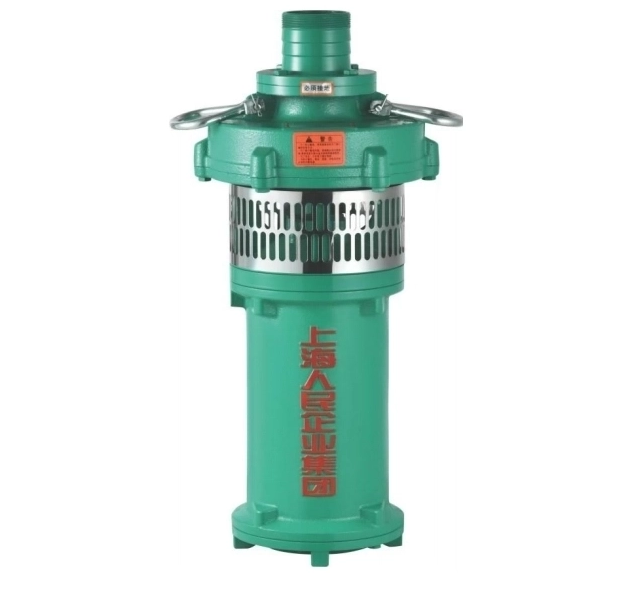
In this post, we’ll discuss the technical aspects of running a booster pump continuously, examine the factors that affect its ability to operate non-stop, explore risks and best practices, and provide guidelines for selecting pumps suited for continuous duty. You’ll also learn about energy-efficient solutions, maintenance tips, and how to integrate smart monitoring systems to ensure long-term performance. By the end of this article, you’ll understand how to operate a booster pump safely in continuous applications and avoid costly mistakes.
A booster pump is a mechanical device designed to increase the pressure of water or other fluids in a piping system, ensuring a steady flow to all outlets even in situations where the water source pressure is insufficient or inconsistent. Unlike standard pumps, which primarily transport water from one point to another, a booster pump maintains consistent pressure and protects plumbing, machinery, or industrial processes from damage caused by pressure fluctuations. Proper selection and operation of a booster pump are critical in residential, commercial, and industrial environments, where uninterrupted flow is often required for safety, efficiency, and convenience.
Booster pumps are widely used in high-rise residential buildings to maintain water pressure at upper floors, in hotels and hospitals to ensure constant supply to multiple outlets, and in industrial facilities for cooling systems, process water, and chemical handling. Their ability to provide consistent pressure while preventing cavitation or flow interruption makes them essential for systems that demand continuous operation.
Continuous operation refers to running a booster pump for extended periods, potentially 24 hours a day, without stopping. Not all pumps are designed for such usage; the capability depends on pump type, motor design, cooling system, and environmental conditions. Some pumps, especially those labeled for intermittent duty, can suffer overheating, increased wear, and reduced efficiency if operated continuously, while pumps rated for continuous duty are engineered to handle nonstop operation with proper monitoring and maintenance.
The ability of a booster pump to run continuously is influenced by system demand, flow rate, and the presence of control systems like pressure switches, sensors, or variable-speed drives, which can prevent overloading and optimize performance. In modern designs, variable-speed booster pumps are particularly suited for continuous operation because they adjust motor speed according to real-time flow requirements, reducing energy waste and mechanical stress.
Several factors determine whether a booster pump can operate continuously without adverse effects:
1. Pump Type and Design: Multi-stage pumps and variable-speed pumps are generally better suited for continuous operation than single-stage or fixed-speed models. Multi-stage designs distribute the pressure load across multiple impellers, reducing mechanical stress on individual components.
2. Motor Capacity and Cooling: Adequate motor sizing and effective cooling systems prevent overheating during extended operation. Pumps designed for continuous duty often feature built-in cooling fans, water jackets, or thermal sensors that regulate motor temperature.
3. Water Quality: Sediment, hard water, or chemical contaminants can cause abrasion, clogging, or scaling inside the pump, affecting continuous operation. Installing filters, softeners, or chemical treatment systems can mitigate these risks.
4. Pressure Regulation: Integrating pressure switches, flow sensors, and control systems helps maintain steady operation and prevents overloading. Variable-speed drives can further optimize energy use by adjusting speed based on demand.
5. Environmental Conditions: Ambient temperature, vibration, and installation site conditions impact pump longevity. Properly ventilated spaces, vibration isolation pads, and routine monitoring enhance reliability during continuous operation.
Failing to consider these factors can result in increased maintenance costs, shortened equipment life, and potential system downtime, especially in high-demand commercial and industrial applications.
Operating a booster pump continuously can introduce several risks if not properly managed:
● Overheating: Extended operation generates heat, which can damage motor windings and reduce lifespan.
● Bearing Wear: Continuous rotation increases mechanical stress on bearings, potentially leading to premature failure.
● Mechanical Fatigue: Impellers, seals, and shafts can deteriorate faster under nonstop usage.
● Energy Inefficiency: Pumps running at constant full speed may consume more power than necessary.
● Pressure Spikes: Unregulated continuous operation may lead to overpressure, causing leaks or system stress.
Understanding these risks allows operators to implement preventive measures, such as using continuous-duty-rated pumps and installing protective devices like thermal overload relays, pressure relief valves, and flow limiters.
To maximize performance and longevity while operating a booster pump continuously, follow these best practices:
● Select a pump rated for continuous duty and verify manufacturer specifications, including thermal protection and maximum allowable operating pressure.
● Integrate pressure switches, flow sensors, and variable-speed drives to adjust output to demand, which minimizes energy consumption and reduces mechanical stress.
● Ensure proper installation with adequate support, vibration damping, and cooling, particularly in commercial and industrial settings where environmental heat may affect pump performance.
● Establish a regular maintenance schedule, including inspections of bearings, motor, impeller, and control devices, along with lubrication and cleaning.
● Consider smart monitoring systems that track temperature, pressure, vibration, and energy consumption in real time, enabling predictive maintenance and early warning of potential failures.
Booster pumps are often required to operate continuously in applications where water or fluid demand does not fluctuate significantly and uninterrupted flow is essential. Continuous operation is especially critical in systems where even short interruptions can cause operational inefficiencies, damage equipment, or compromise safety. The following are key applications where running a booster pump continuously is necessary:
● Industrial Processes: In manufacturing plants, chemical processing facilities, and cooling systems, booster pumps provide consistent pressure and flow that are crucial for process stability. For example, in chemical plants, precise flow rates are required for mixing or reaction processes, and even short interruptions can lead to production loss, material waste, or safety hazards. Continuous operation ensures that critical machinery, heat exchangers, and automated systems maintain optimal performance without unplanned downtime.
● High-Rise Buildings: Multi-story residential or commercial buildings rely on booster pumps to maintain adequate water pressure on all floors. Without continuous operation, upper floors may experience low pressure, leading to unsatisfactory performance in showers, faucets, and fire suppression systems. Continuous booster pump operation ensures that water pressure remains stable throughout the day, even during peak usage hours, while also supporting emergency systems like sprinklers and fire pumps.
● Commercial Facilities: Hospitals, hotels, office buildings, and large retail complexes require a steady water supply for multiple users simultaneously. In hospitals, medical equipment and patient care systems depend on uninterrupted water pressure; in hotels, guest comfort and operational efficiency depend on reliable flow to bathrooms, kitchens, and laundry systems. Booster pumps running continuously allow these facilities to maintain service quality, prevent workflow interruptions, and reduce stress on plumbing infrastructure.
● Irrigation and Municipal Systems: Continuous operation is essential in agricultural irrigation networks and municipal water supply systems, where pumps provide a steady flow over extended distances. For irrigation, fluctuating water pressure can affect crop uniformity and growth, while in municipal systems, consistent water delivery is crucial for daily residential and commercial consumption, fire safety, and public services. Booster pumps help maintain required pressure and flow rates across long pipelines, ensuring reliability and efficiency.
Proper pump selection, installation, and monitoring are critical to ensure these systems operate reliably without interruption. Selecting a pump rated for continuous duty, integrating variable-speed drives, and installing sensors for flow and pressure monitoring allow operators to adapt to varying system demands while avoiding overloading or overheating. Additionally, routine maintenance and preventive inspections of bearings, impellers, motors, and control devices further enhance system reliability. By implementing these measures, facilities can reduce downtime, increase energy efficiency, and protect both the booster pump and the overall water distribution system from premature wear or failure.
Pump Type | Continuous Duty Capability | Recommended Applications |
Single-Stage | Limited | Small residential systems |
Multi-Stage | High | High-rise buildings, industrial plants |
Centrifugal | Moderate to High | HVAC, process water systems |
Variable-Speed | High | Energy-efficient continuous systems, commercial buildings |
Operating a booster pump continuously can be both feasible and efficient when the pump is correctly selected, installed, and maintained according to manufacturer guidelines. Continuous operation is particularly important in high-rise buildings, industrial processes, commercial facilities, and irrigation or municipal systems where uninterrupted flow is critical. By following proper installation procedures, integrating variable-speed drives, sensors, and smart monitoring, and performing regular maintenance, users can prevent common issues such as overheating, bearing wear, pressure fluctuations, or system inefficiencies. Choosing a booster pump from a reputable manufacturer, such as Shanghai People Enterprise Group Pump Co., Ltd., ensures that the equipment is designed for durability, reliability, and long-term continuous operation, providing consistent pressure, optimal flow, and energy efficiency for residential, commercial, and industrial applications.
1. Can a booster pump run continuously without damage?
Yes, if it is rated for continuous duty and installed properly with appropriate monitoring and maintenance, it can operate 24/7 without damage.
2. How do I know if my booster pump is rated for continuous operation?
Check the manufacturer’s specifications or data sheet; pumps designed for continuous duty will indicate a continuous operation rating or duty cycle.
3. What are the main risks of running a booster pump continuously?
Potential risks include overheating, bearing wear, mechanical fatigue, increased energy consumption, and pressure spikes if not properly monitored.
4. Can continuous operation increase energy costs or wear?
Yes, pumps not designed for continuous operation or running at full speed unnecessarily can consume more energy and experience faster mechanical wear.
5. How can I maintain a booster pump if it runs 24/7?
Implement routine inspections, monitor temperature and vibration, clean filters, lubricate components, and use automated monitoring to ensure safe and efficient operation.


